Language
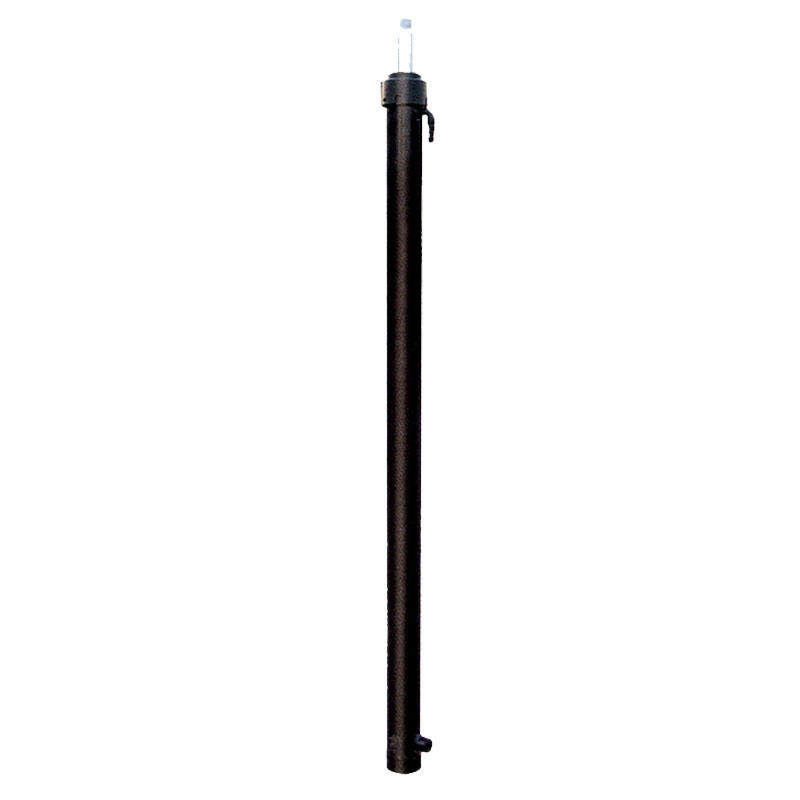
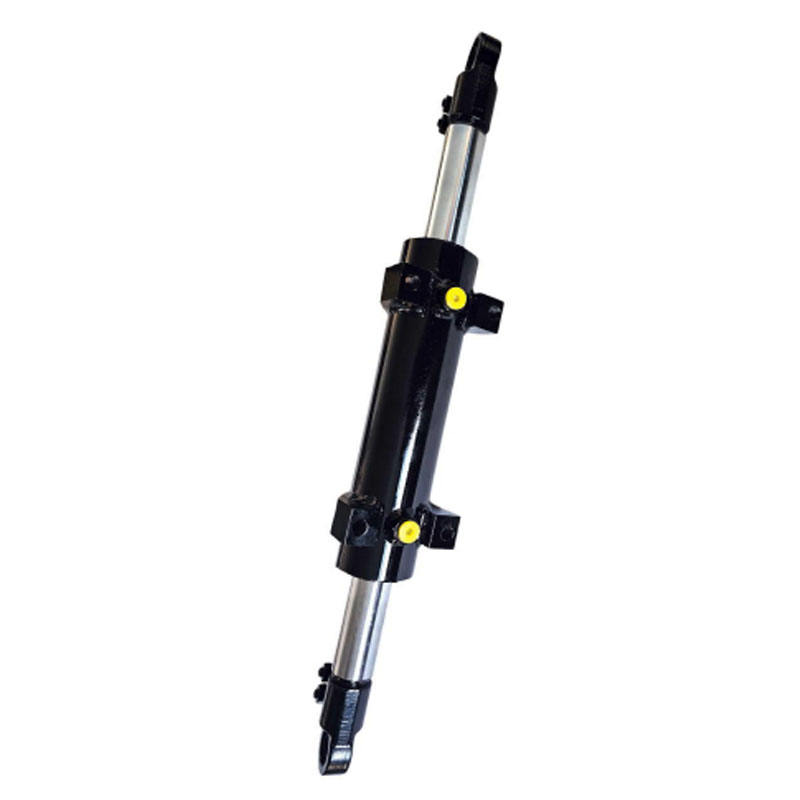
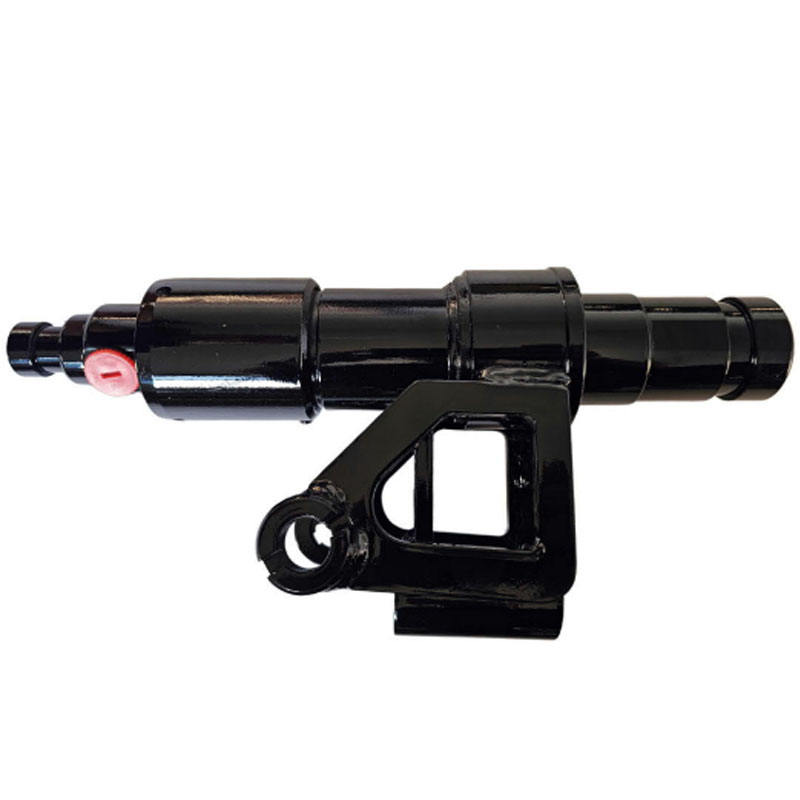
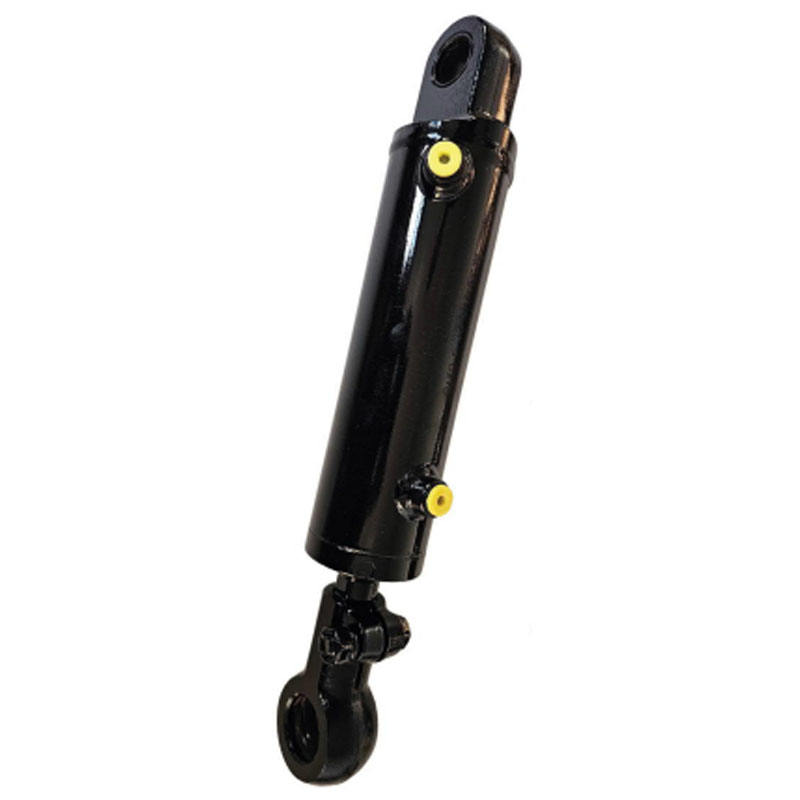
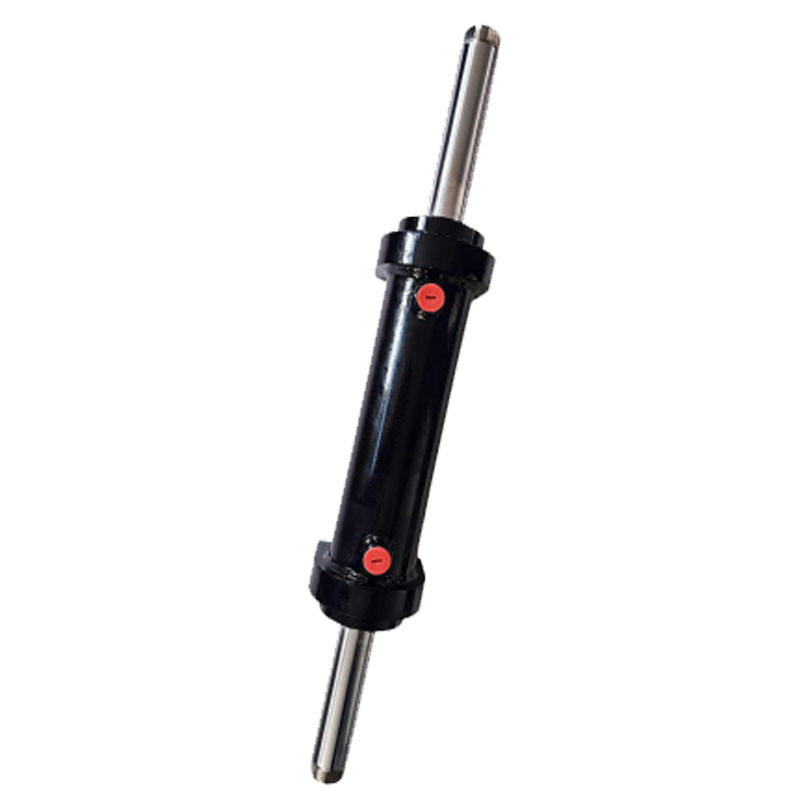
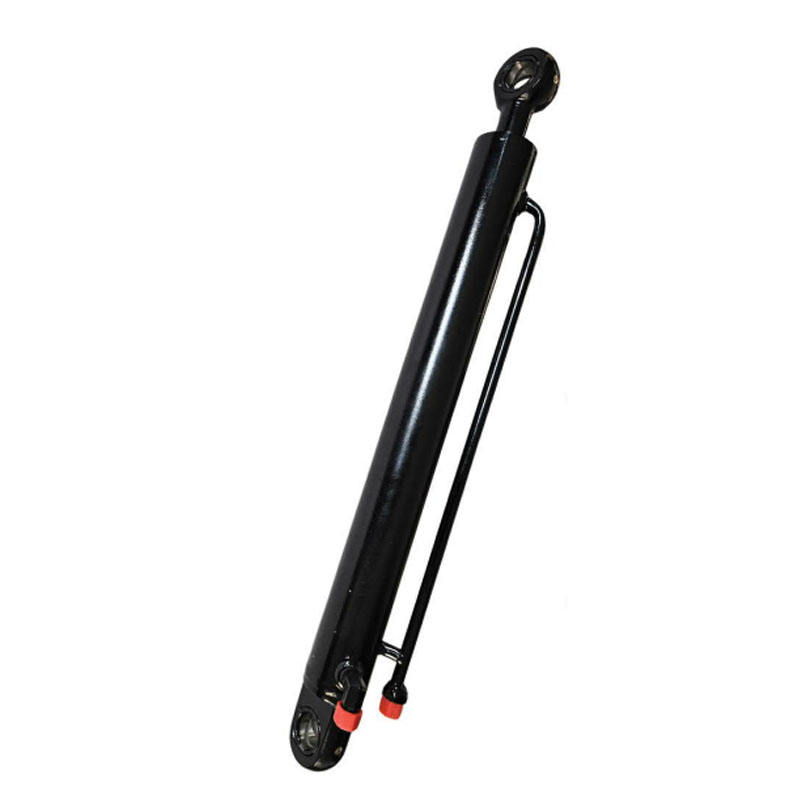
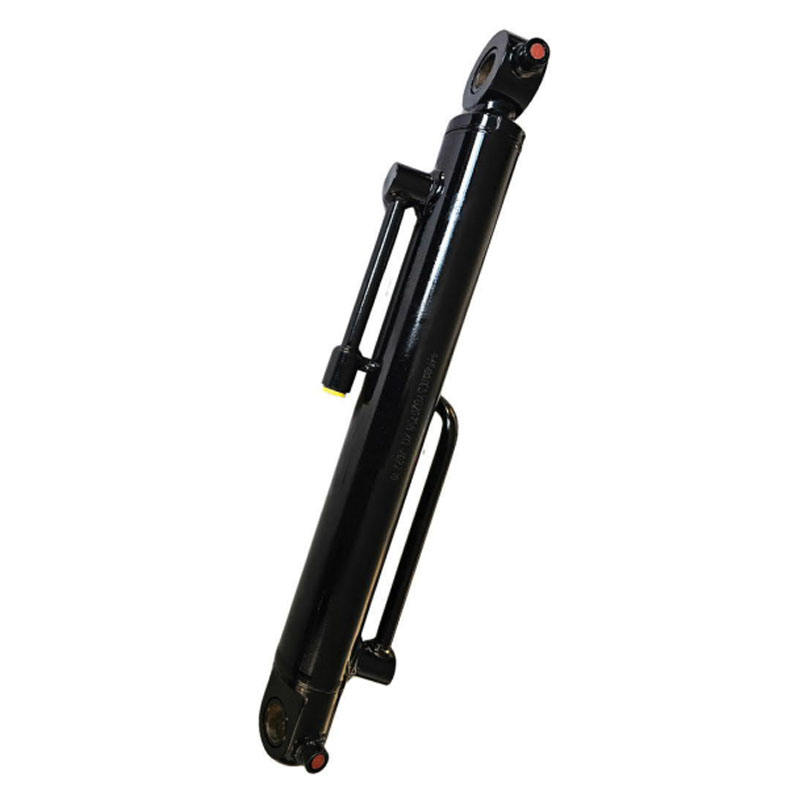
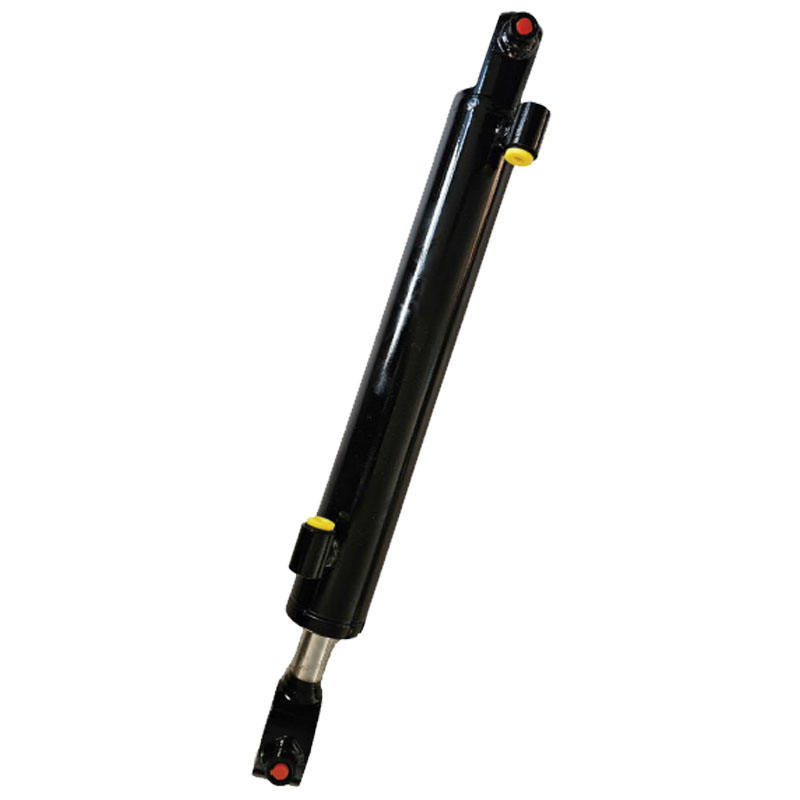
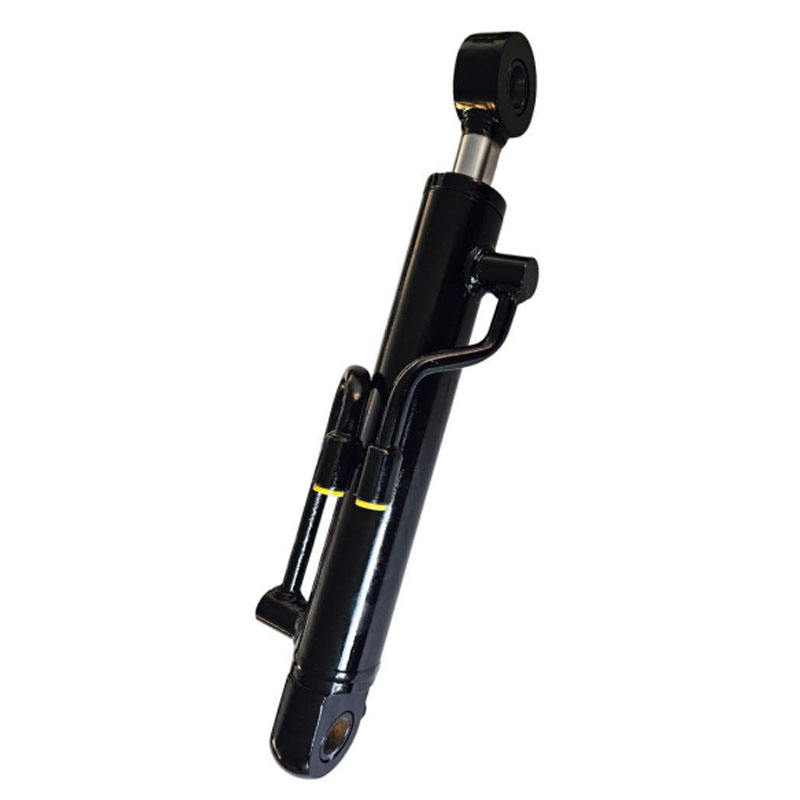
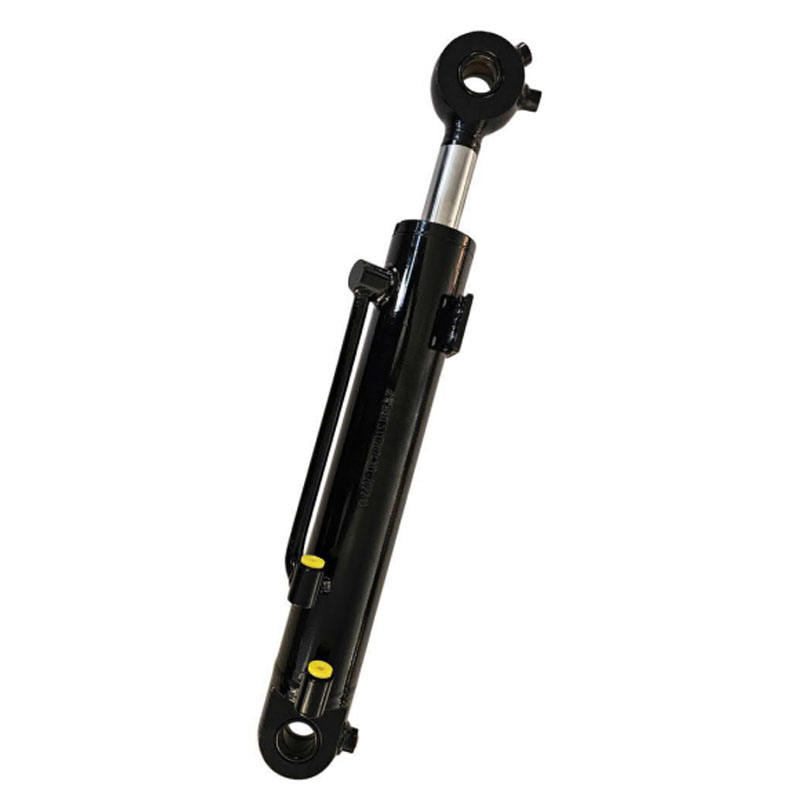
At our company, we specialize in manufacturing top-quality hydraulic cylinders designed for construction machinery. Our products are engineered to deliver exceptional performance, durability, and reliability in the most demanding environments. With decades of expertise, we ensure that our hydraulic cylinders meet the highest industry standards, providing seamless operation for equipment such as excavators, loaders, bulldozers, and cranes.
Our construction machinery hydraulic cylinders are built with precision and attention to detail. Below is a list of essential parameters that define our product range:
For a comprehensive overview, refer to the table below outlining our standard hydraulic cylinder models:
| Model Series | Bore Size (mm) | Rod Diameter (mm) | Max Pressure (bar) | Stroke Range (mm) | Application |
|---|---|---|---|---|---|
| HC-100 | 50-100 | 25-50 | 250 | 100-500 | Small excavators, compact loaders |
| HC-200 | 100-200 | 50-100 | 300 | 500-1500 | Medium bulldozers, backhoes |
| HC-300 | 200-300 | 100-150 | 350 | 1500-2500 | Large cranes, heavy-duty excavators |
| HC-400 | 300-400 | 150-200 | 350 | 2500-3000 | Mining equipment, industrial presses |
Our hydraulic cylinders incorporate advanced features to enhance performance:
What are the main types of hydraulic cylinders used in construction machinery?
The primary types include single-acting, double-acting, telescopic, and plunger cylinders. Single-acting cylinders use hydraulic pressure for movement in one direction, while double-acting allow force in both extension and retraction. Telescopic cylinders are used for long strokes in confined spaces, and plunger cylinders handle high loads with vertical motion.
How often should hydraulic cylinders be maintained?
Regular maintenance is recommended every 500 operating hours or based on usage intensity. This includes inspecting seals for leaks, checking rod surfaces for damage, and replacing hydraulic fluid filters. In harsh conditions, more frequent checks may be necessary to prevent failures.
What causes hydraulic cylinder failure, and how can it be prevented?
Common causes include seal wear, contamination, misalignment, and overpressure. Prevention involves using high-quality fluids, ensuring proper installation, conducting routine inspections, and avoiding exceeding rated pressure limits. Regular training for operators on correct usage also helps minimize issues.
Can hydraulic cylinders be repaired or must they be replaced?
Many cylinders can be repaired by replacing seals, rods, or other components if the barrel is undamaged. It's cost-effective for minor issues, but severe damage like barrel scoring may require full replacement. Always consult with a specialist to assess the best option.
What materials are best for hydraulic cylinders in corrosive environments?
Stainless steel cylinders or those with specialized coatings (e.g., zinc plating or epoxy) are ideal for corrosive conditions. Additionally, using compatible seal materials like Viton can enhance resistance to chemicals and moisture.
How do I choose the right hydraulic cylinder for my machinery?
Consider factors such as bore size, stroke length, operating pressure, mounting style, and environmental conditions. Consult technical datasheets and, if needed, work with our engineers to select a model that matches your machinery's specifications and load requirements.
Are custom hydraulic cylinders available for unique applications?
Yes, we offer custom solutions tailored to specific needs, including non-standard dimensions, special materials, and integrated features. Provide your requirements, and our team will design cylinders that fit perfectly with your equipment.
What is the typical lifespan of a construction machinery hydraulic cylinder?
With proper maintenance, our hydraulic cylinders can last between 5,000 to 10,000 operating hours, depending on usage conditions. Factors like load intensity, environment, and maintenance frequency significantly impact longevity.
How does temperature affect hydraulic cylinder performance?
Extreme temperatures can cause fluid viscosity changes, seal degradation, and material expansion. Our cylinders are designed to perform in a wide range from -40°C to 120°C, but using appropriate hydraulic fluids and insulation in very cold or hot climates is recommended for optimal performance.
What certifications do your hydraulic cylinders have?
Our products are certified under ISO 9001 for quality management and comply with international standards like ISO 6020/2 and NFPA. This ensures reliability, safety, and compatibility with global machinery systems.