Language
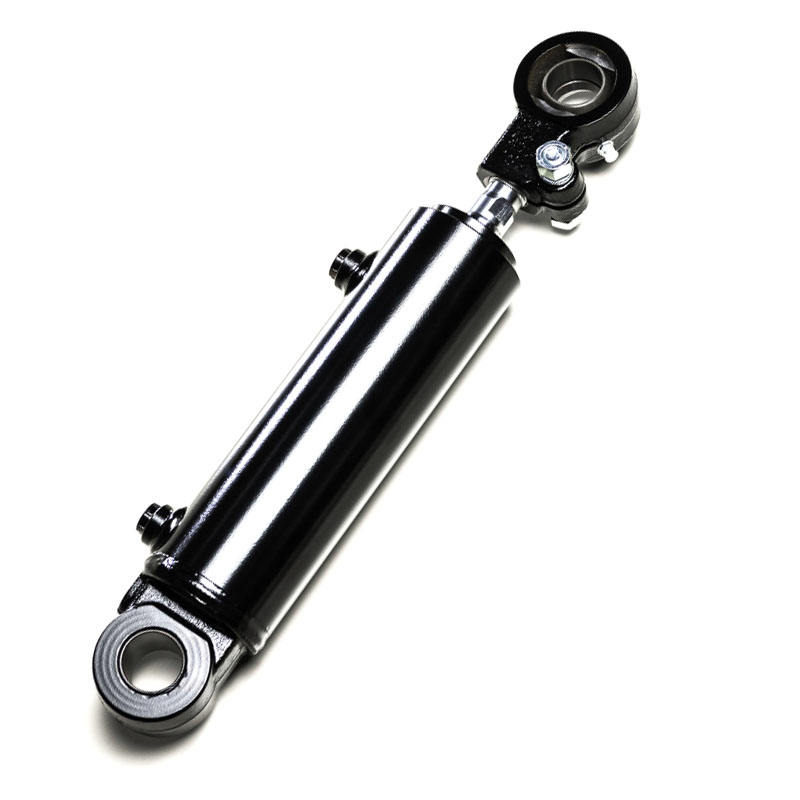
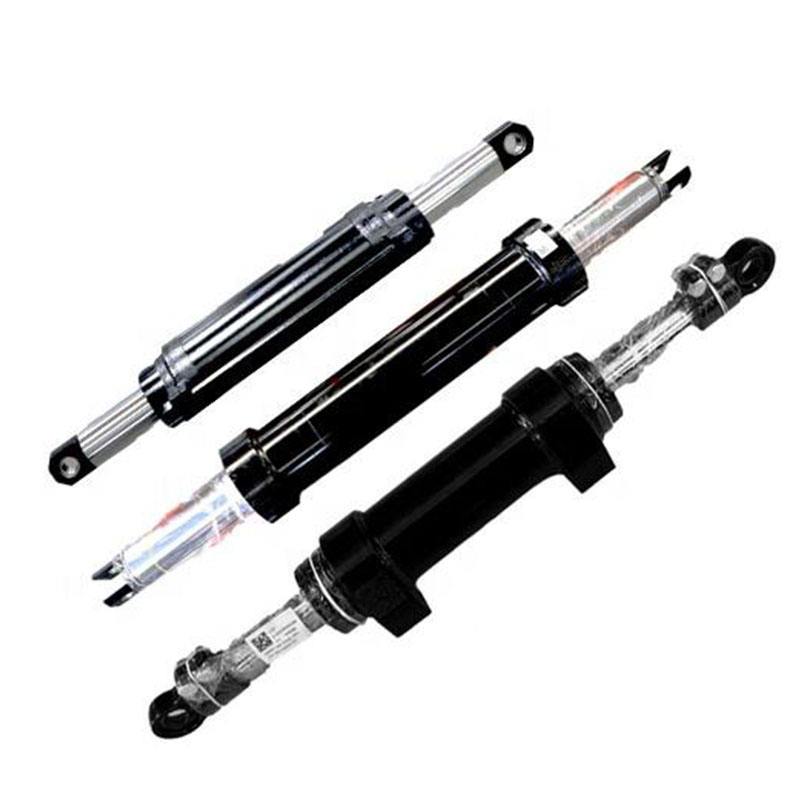
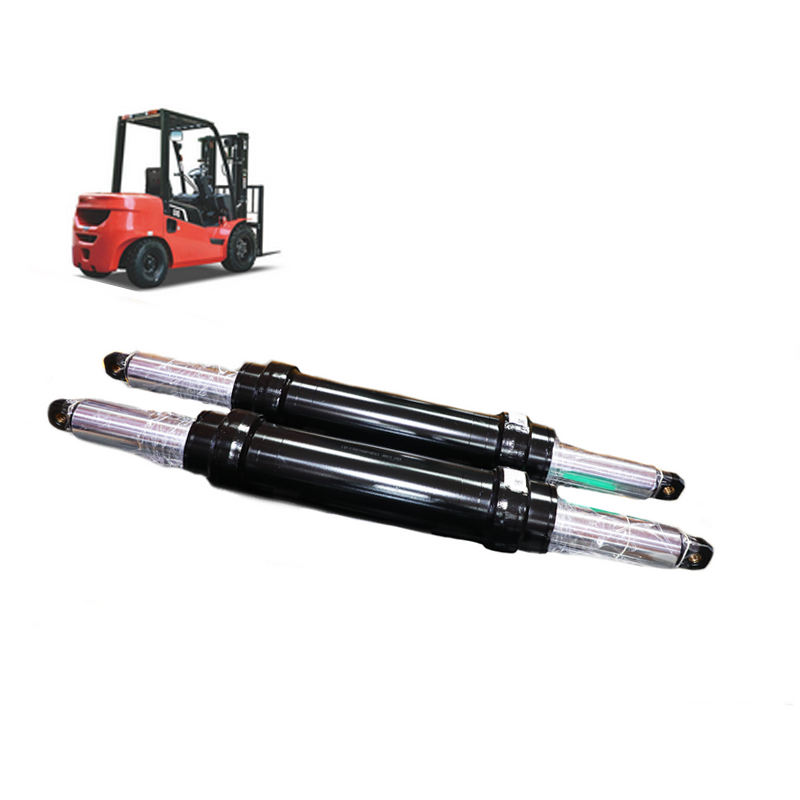
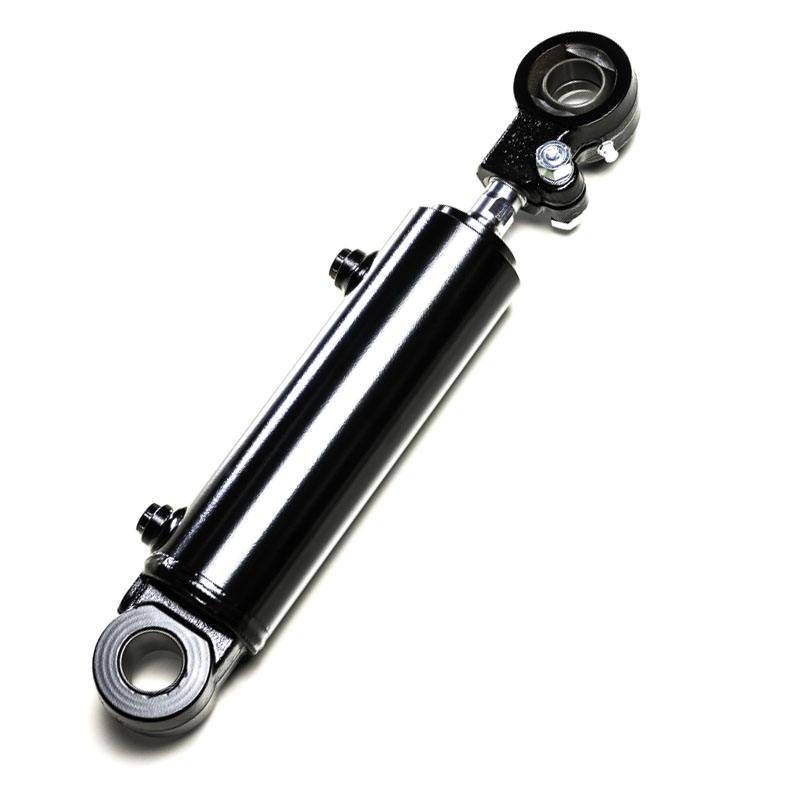
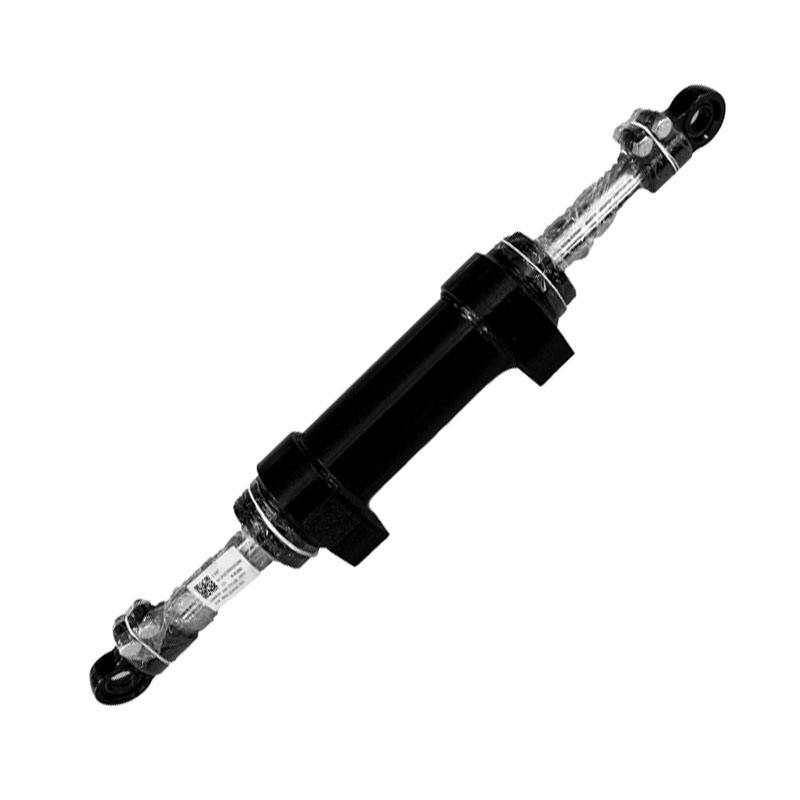
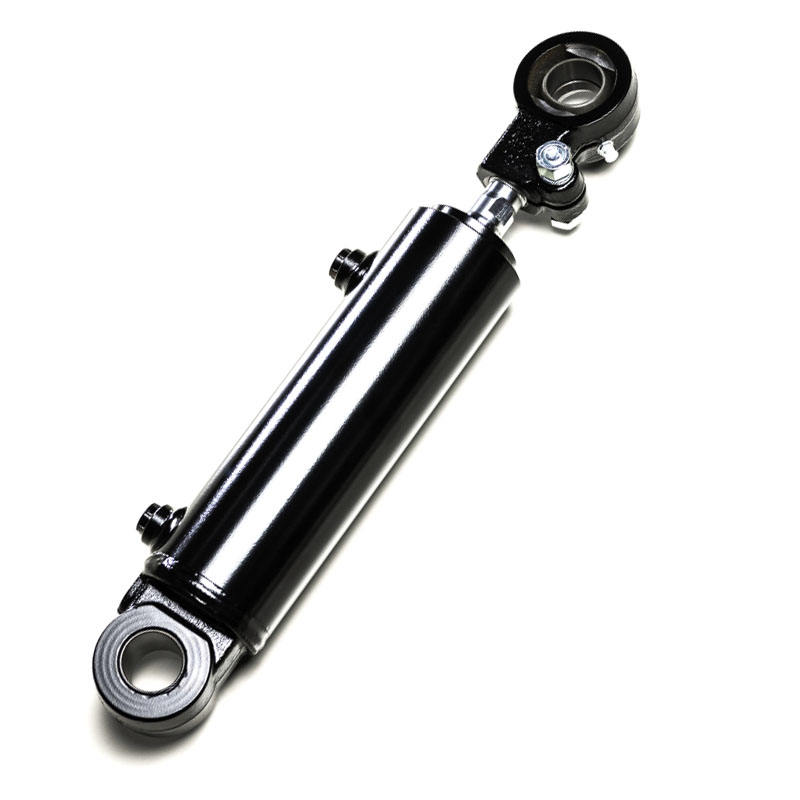
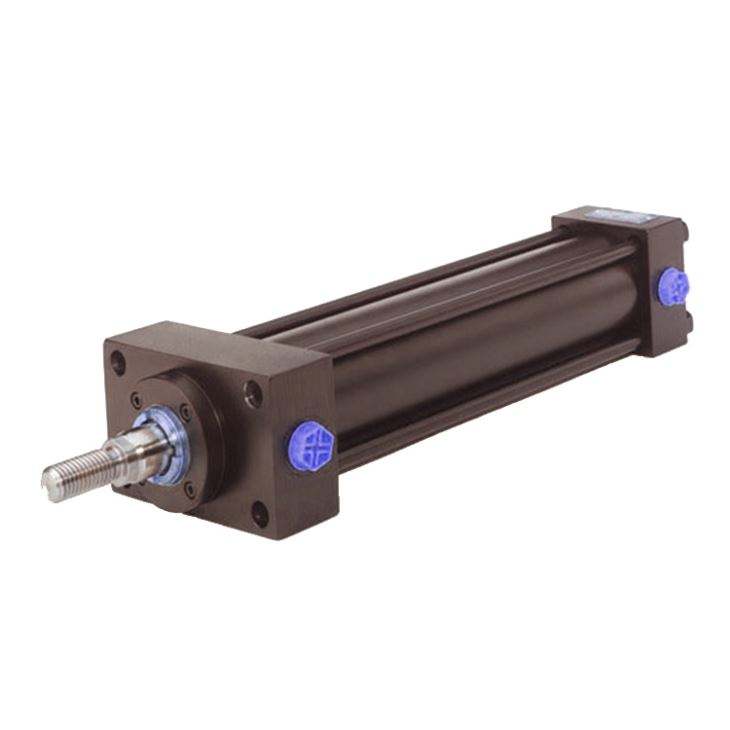
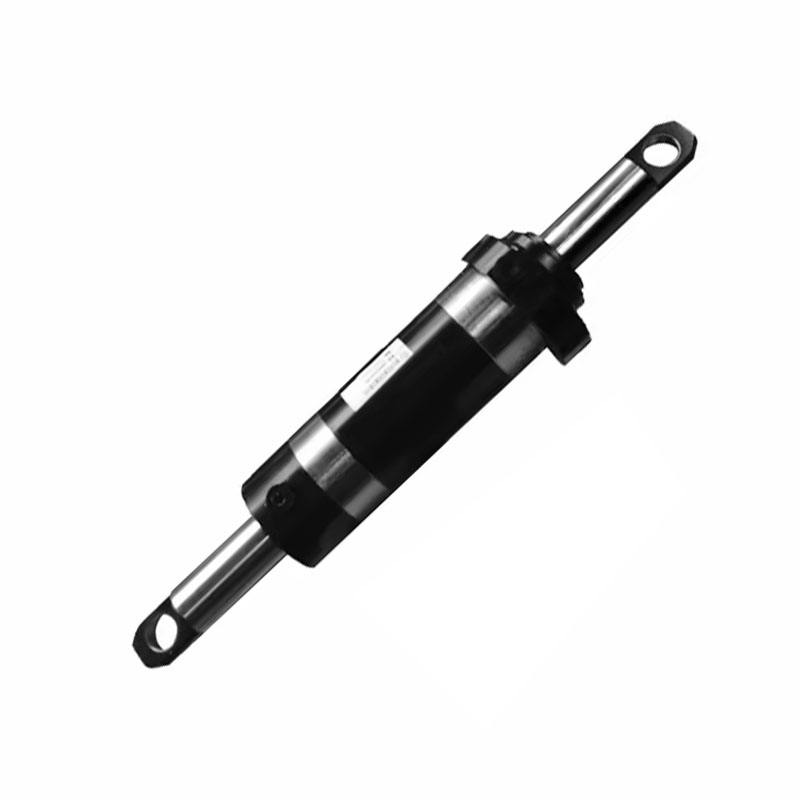
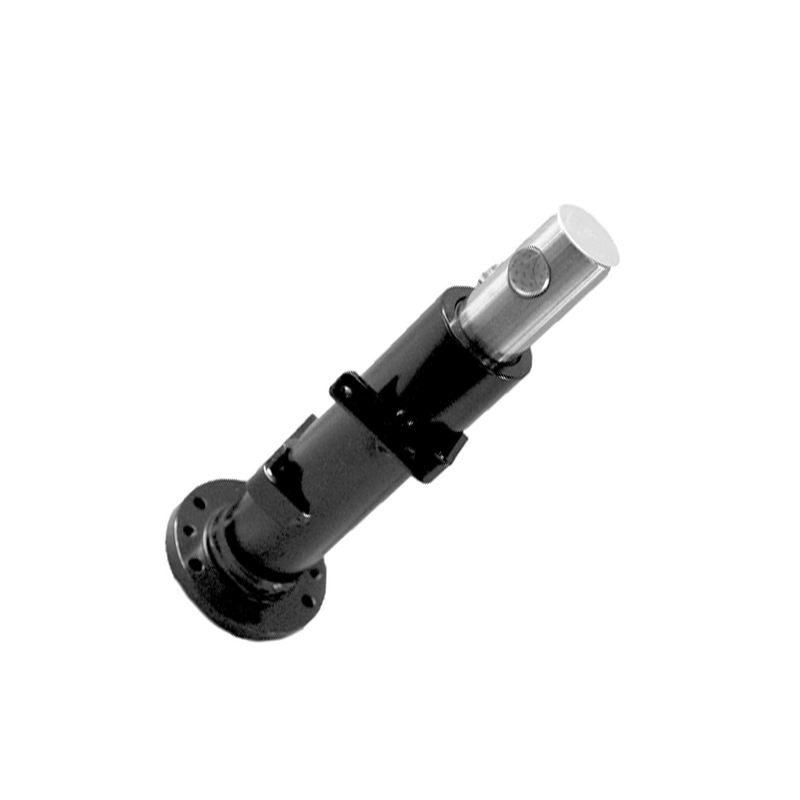
Hydraulic cylinders are essential components in various industries, providing reliable linear force and motion for heavy-duty operations. Our hydraulic cylinders are engineered with precision, using top-grade materials to ensure durability, efficiency, and long service life in demanding environments such as construction, manufacturing, agriculture, and mining.
Our hydraulic cylinders come in a range of specifications to meet diverse needs. Below is a detailed list of parameters:
| Model Series | Bore Size (inches) | Max Pressure (PSI) | Stroke Range (inches) | Rod Material | Application |
|---|---|---|---|---|---|
| HC-100 | 1.5 - 5 | 2500 | 2 - 24 | Hardened Steel | Light industrial machinery |
| HC-200 | 6 - 12 | 3000 | 25 - 60 | Stainless Steel | Construction equipment |
| HC-300 | 13 - 20 | 3000 | 61 - 120 | Chrome-Plated | Heavy mining and agricultural uses |
What is a hydraulic cylinder and how does it work?
A hydraulic cylinder is a mechanical actuator that converts hydraulic energy into linear motion and force. It consists of a cylinder barrel, piston, piston rod, and seals. When hydraulic fluid is pumped into the cylinder, it pushes the piston, creating movement that can lift, push, or pull heavy loads efficiently.
What are the common types of hydraulic cylinders?
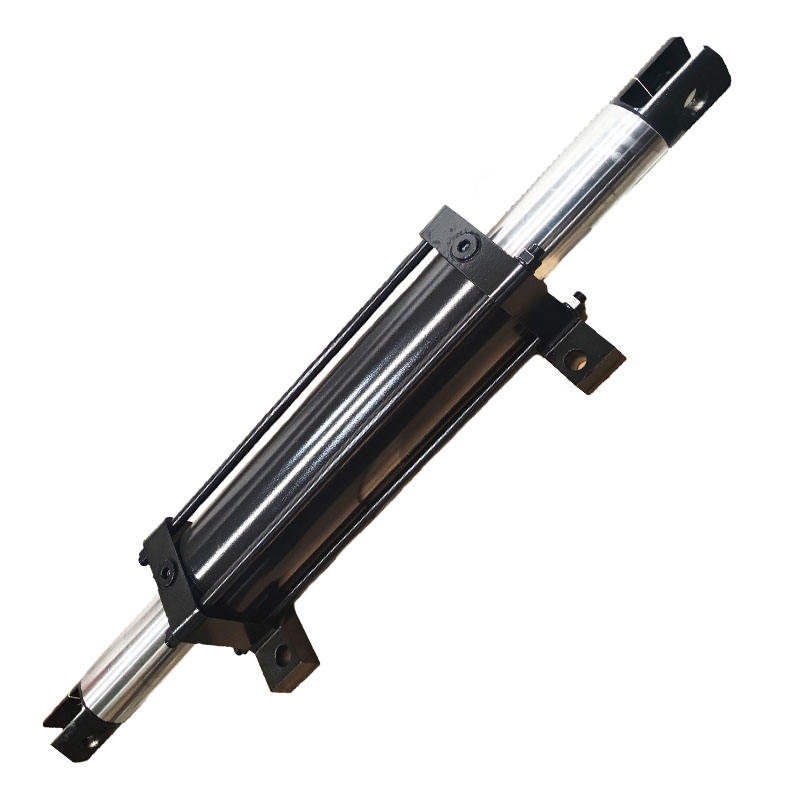
Common types include single-acting cylinders (force in one direction), double-acting cylinders (force in both directions), telescopic cylinders (for long strokes), and tie-rod cylinders (easy maintenance). Each type suits specific applications based on force needs and space constraints.
How do I choose the right hydraulic cylinder for my application?
Consider factors like bore size (for force output), stroke length (for range of motion), operating pressure, mounting style, material compatibility with environment, and seal type for fluid resistance. Consulting with an engineer or referring to load calculations can help ensure optimal selection.
What maintenance is required for hydraulic cylinders?
Regular maintenance includes inspecting for leaks, checking rod and seal condition, ensuring proper fluid levels and cleanliness, and lubricating moving parts. Periodic rebuilding or replacement of worn components can prevent failures and extend service life.
Can hydraulic cylinders be customized?
Yes, we offer customizations in bore size, stroke length, mounting options, materials, and port configurations to meet specific operational requirements. Provide details of your application for a tailored solution.
What are the signs of hydraulic cylinder failure?
Common signs include fluid leaks, slow or erratic operation, unusual noises, visible damage to the rod or barrel, and loss of pressure. Addressing these issues promptly can avoid costly downtime and repairs.
How long do hydraulic cylinders typically last?
Lifespan varies based on usage, maintenance, and operating conditions. With proper care, high-quality cylinders can last 10,000 to 20,000 hours or more. Regular inspections and adherence to manufacturer guidelines enhance durability.
Are there safety precautions for using hydraulic cylinders?
Always follow safety protocols: ensure proper installation, use pressure relief valves, avoid exceeding rated pressure, wear protective gear during maintenance, and depressurize the system before servicing to prevent accidents.