Language
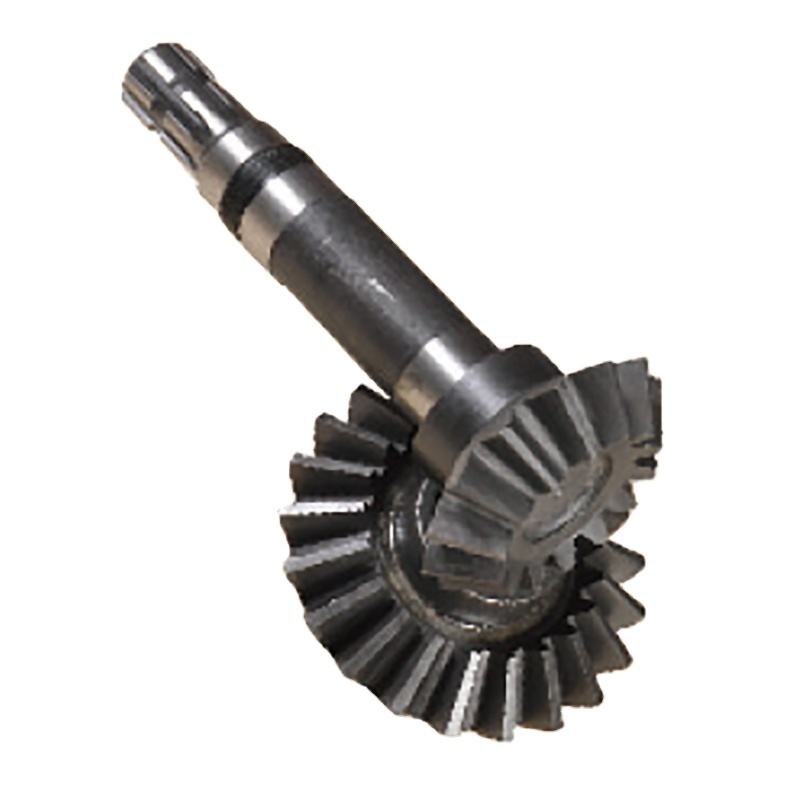
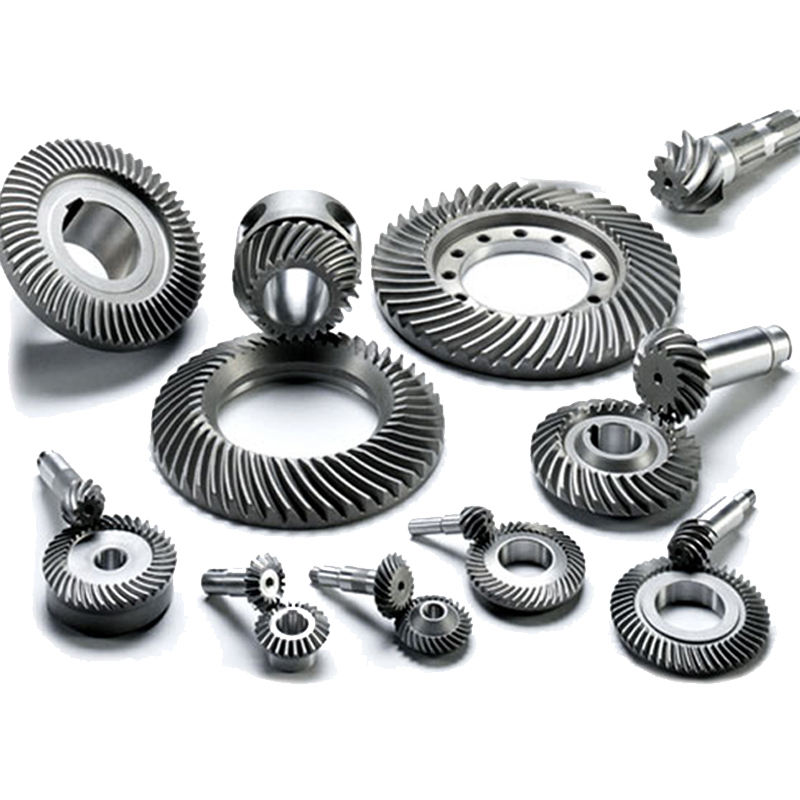
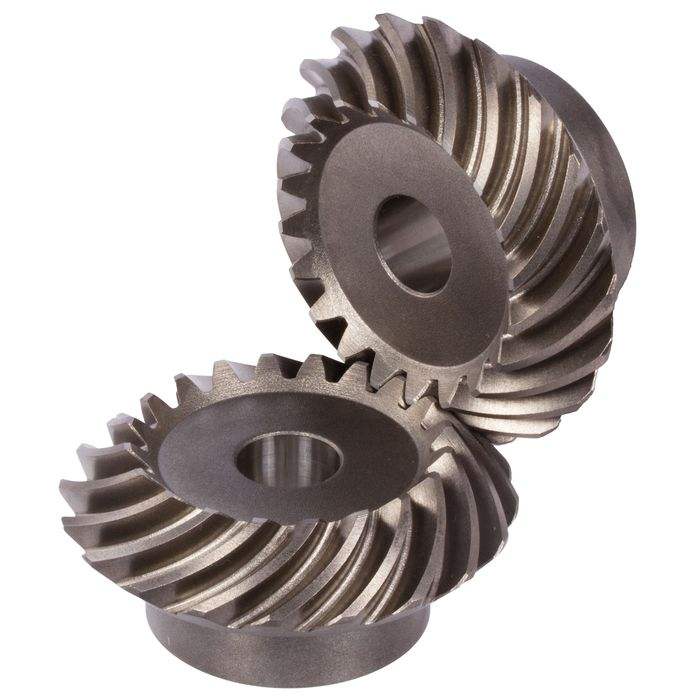
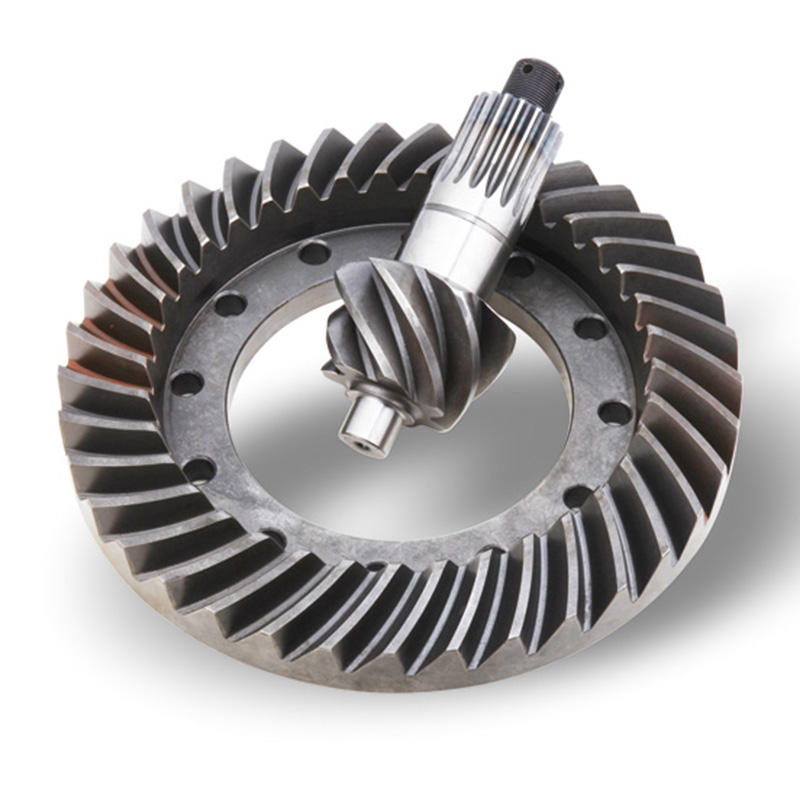
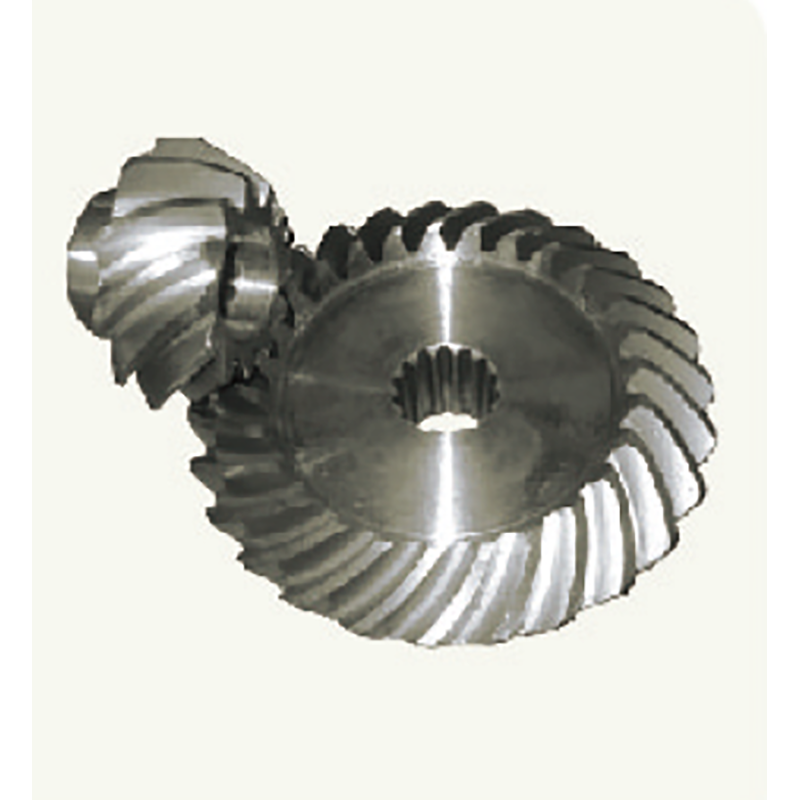
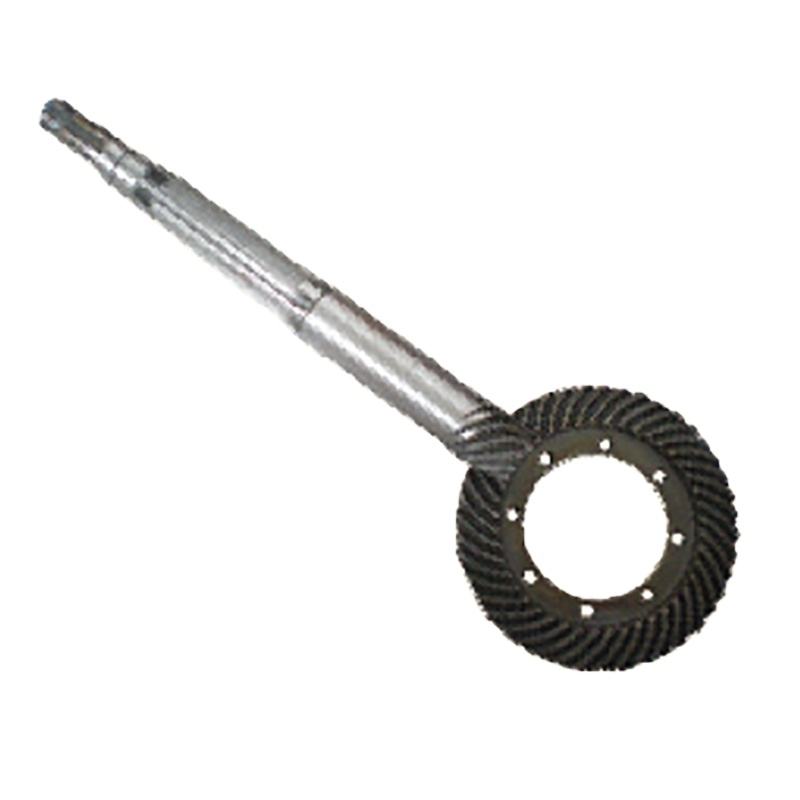
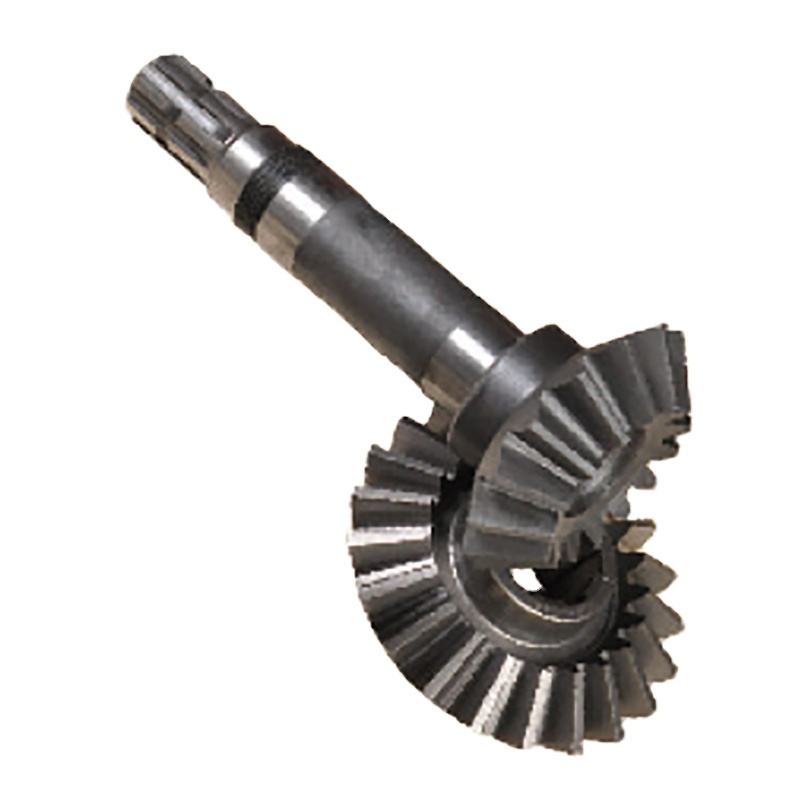
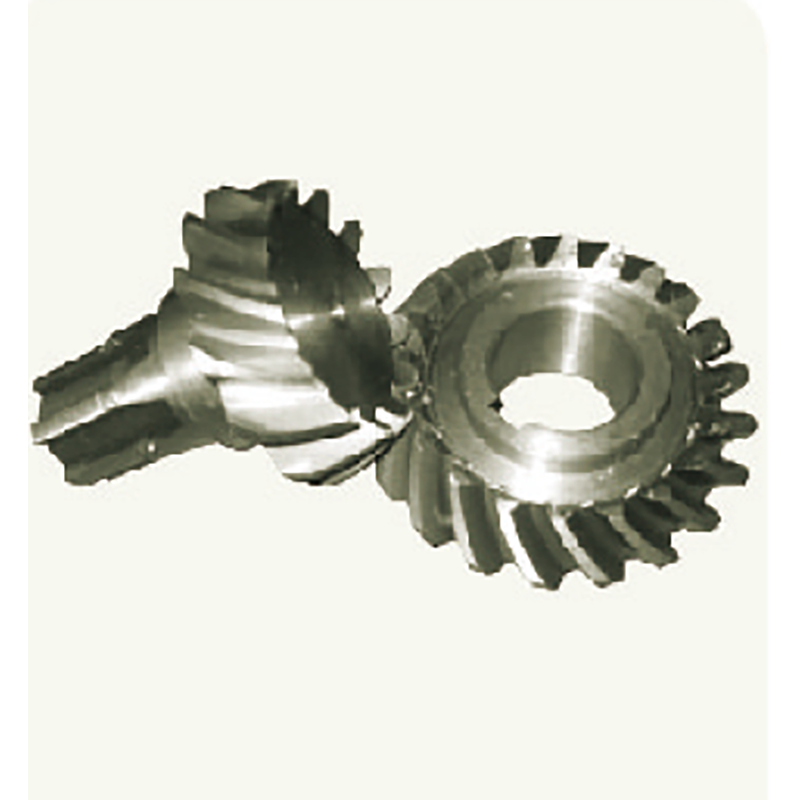
Spiral bevel gears are a type of bevel gear with curved, oblique teeth that allow for smooth and efficient power transmission between intersecting shafts, typically at a 90-degree angle. They are widely used in automotive differentials, industrial machinery, aerospace applications, and heavy equipment due to their high load capacity, reduced noise, and improved performance compared to straight bevel gears. The spiral design ensures gradual tooth engagement, minimizing vibration and enhancing durability.
Our spiral bevel gears are engineered to meet industry standards, with parameters tailored for performance and reliability. Below is a detailed table of specifications.
| Parameter | Specification Range | Units |
|---|---|---|
| Module | 1 to 10 | mm |
| Number of Teeth | 10 to 100 | - |
| Gear Ratio | 1:1 to 6:1 | - |
| Pressure Angle | 20° to 25° | Degrees |
| Spiral Angle | 30° to 45° | Degrees |
| Material Hardness | HRC 58-62 | HRC |
| Maximum Torque Capacity | Up to 5000 | Nm |
| Operating Temperature Range | -40 to 120 | °C |
| Surface Finish | 0.4 to 1.6 | Ra μm |
Spiral bevel gears are versatile components used in numerous industries. Common applications include:
What are the advantages of spiral bevel gears over straight bevel gears?
Spiral bevel gears offer smoother operation, higher load capacity, reduced noise, and greater durability due to their curved teeth, which allow for gradual engagement and better distribution of forces.
How do I select the right spiral bevel gear for my application?
Consider factors such as torque requirements, speed, operating environment, material compatibility, and gear ratio. Consulting with our engineering team can help tailor a solution based on your specific needs and parameters from the table above.
What materials are commonly used for spiral bevel gears?
Common materials include alloy steels (e.g., ASTM AISI 4140, 4340), stainless steel for corrosion resistance, and case-hardened metals. Material choice depends on application demands like load, wear, and environmental conditions.
How can I maintain spiral bevel gears to ensure longevity?
Regular lubrication with appropriate oils or greases, periodic inspection for wear or damage, and proper alignment during installation are crucial. Avoid overloading and operate within specified temperature ranges to prevent premature failure.
Are custom spiral bevel gears available?
Yes, we offer custom design services for spiral bevel gears, including specific sizes, materials, tooth profiles, and finishes to meet unique application requirements. Provide your specifications for a tailored quote.
What is the typical lifespan of a spiral bevel gear?
Lifespan varies based on usage, maintenance, and operating conditions. Under normal loads with proper care, our gears can last from several years to decades, as indicated by durability tests and industry standards.
Can spiral bevel gears be used in high-speed applications?
Absolutely. Their design minimizes vibration and heat buildup, making them suitable for high-speed operations. Ensure proper balancing and lubrication to maintain performance at elevated speeds.
How do environmental factors affect spiral bevel gear performance?
Extreme temperatures, moisture, dust, and corrosive substances can impact performance. Selecting materials with appropriate coatings or treatments, such as nitriding or plating, can enhance resistance to harsh environments.