Language
When it comes to industrial power transmission, QD sprockets are a cornerstone of reliability and efficiency. These components are specifically designed for quick-disconnect applications, making them ideal for a wide range of machinery, from conveyor systems to agricultural equipment. With over two decades of expertise in the field, we understand the critical role that high-quality sprockets play in minimizing downtime and maximizing productivity. In this comprehensive guide, we'll dive deep into the parameters, features, and benefits of QD sprockets, providing you with the detailed information needed to make an informed decision for your operations.
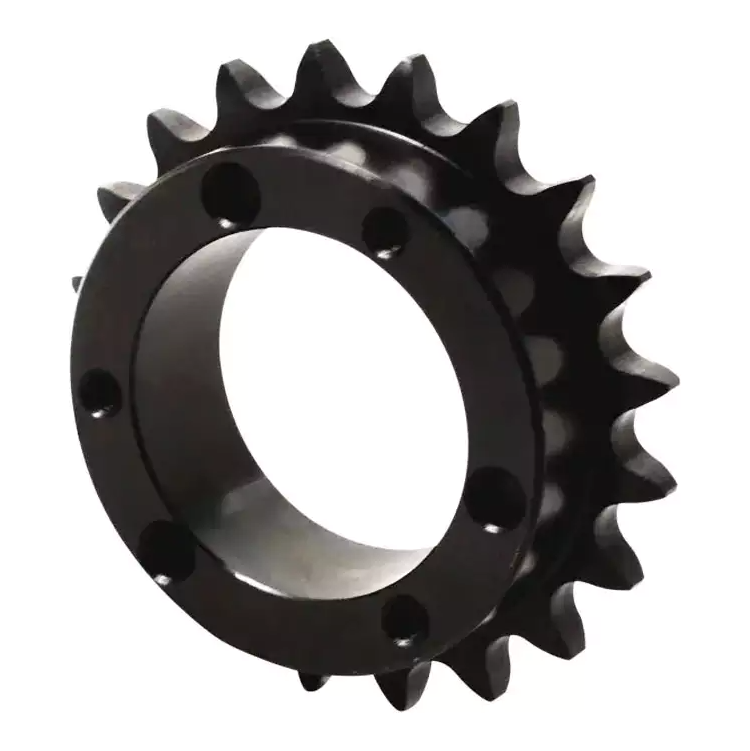
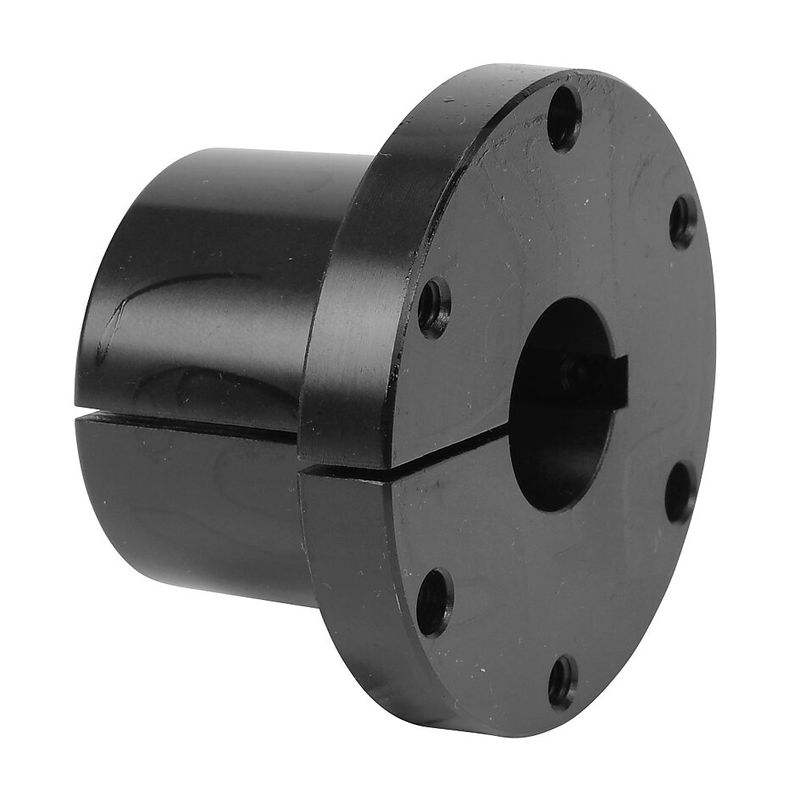
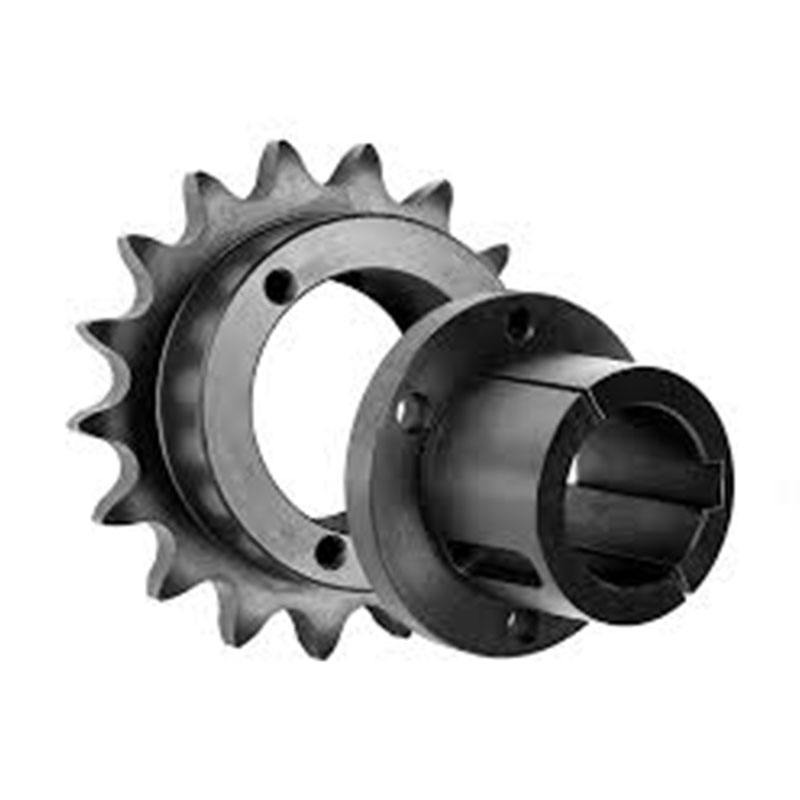
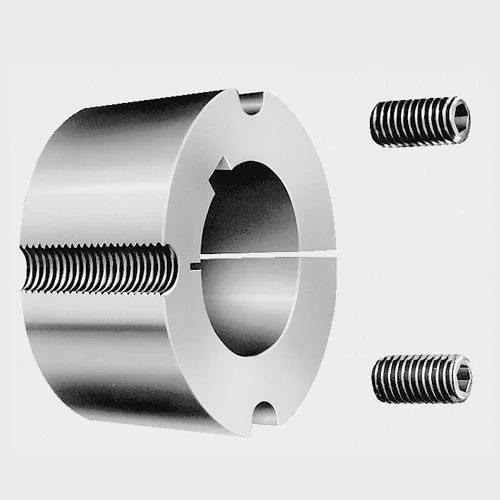
A QD (Quick Disconnect) sprocket is a type of sprocket that features a tapered bushing system, allowing for easy installation and removal without the need for additional tools or complex procedures. This design ensures a secure fit on the shaft, reducing the risk of slippage and wear. QD sprockets are commonly used in applications where frequent maintenance or replacement is necessary, offering a convenient solution that saves time and labor costs.
Understanding the technical specifications of QD sprockets is essential for selecting the right component for your needs. Below, we've outlined the primary parameters in a detailed list and table format to highlight their importance.
| Parameter | Description | Typical Range |
|---|---|---|
| Bore Size | Inner diameter for shaft fitting | 0.5 inches to 6 inches |
| Number of Teeth | Affects speed and torque ratio | 10 to 120 teeth |
| Pitch Diameter | Diameter of pitch circle | 2 inches to 24 inches |
| Material | Construction material | Steel, Stainless Steel, Cast Iron |
| Hub Type | Mounting configuration | Plain, Finished, Keyway |
| Weight | Mass of the sprocket | 0.5 lbs to 50 lbs |
| Maximum RPM | Maximum rotational speed | Up to 5000 RPM |
QD sprockets offer numerous advantages that make them a preferred choice in various industries. Their quick-disconnect feature simplifies maintenance, reduces downtime, and enhances overall system reliability. Additionally, the tapered bushing design provides a firm grip on the shaft, preventing movement and extending the lifespan of both the sprocket and the chain. These sprockets are also highly versatile, available in multiple sizes and materials to suit different environmental conditions and load requirements.
What is the primary advantage of a QD sprocket over a standard sprocket?
The main advantage is the quick-disconnect capability, which allows for easy installation and removal without specialized tools, saving time and reducing labor costs during maintenance or replacements.
How do I determine the correct bore size for my QD sprocket?
Measure the diameter of your shaft accurately using calipers, and select a sprocket with a bore size that matches exactly. Consult the manufacturer's specifications to ensure compatibility, as an improper fit can lead to slippage and premature wear.
Can QD sprockets be used in high-temperature environments?
Yes, but it depends on the material. Stainless steel QD sprockets are suitable for high-temperature and corrosive environments, while standard steel may require additional coatings or treatments. Always check the material specifications for temperature ratings.
What maintenance is required for QD sprockets?
Regular inspection for wear, proper lubrication of the chain and sprocket teeth, and ensuring the bushing is tight and free of debris. Periodic checks help prevent unexpected failures and extend the component's life.
Are QD sprockets interchangeable between different brands?
While many QD sprockets follow industry standards, it's essential to verify compatibility based on bore size, tooth count, and bushing type. Mixing brands without confirmation can result in misalignment and reduced performance.
How often should I replace my QD sprocket?
Replacement frequency depends on usage conditions, such as load, speed, and environment. Typically, inspect every 3-6 months for signs of wear like hooked teeth or elongation, and replace as needed to maintain efficiency.
What is the difference between a QD sprocket and a taper-lock sprocket?
Both use tapered bushings for easy mounting, but QD sprockets often refer to a specific design with a quicker release mechanism. Taper-lock is a broader term; QD is a subtype that emphasizes rapid disconnection for frequent maintenance scenarios.
Can I use a QD sprocket with any type of chain?
Yes, as long as the chain pitch matches the sprocket's tooth configuration. Common chains include ANSI standard roller chains; ensure compatibility by checking the pitch size (e.g., #40, #50) to avoid mismatches that cause wear or failure.
What are the common applications for QD sprockets?
They are widely used in conveyor systems, agricultural machinery, packaging equipment, and industrial drives where quick changeovers and maintenance are critical for operational efficiency.
How do I install a QD sprocket properly?
Clean the shaft and sprocket bore, align the keyway if present, slide the sprocket onto the shaft, and tighten the bushing bolts evenly in a cross pattern to ensure a secure fit. Refer to the manufacturer's instructions for torque specifications to avoid over-tightening.