Language
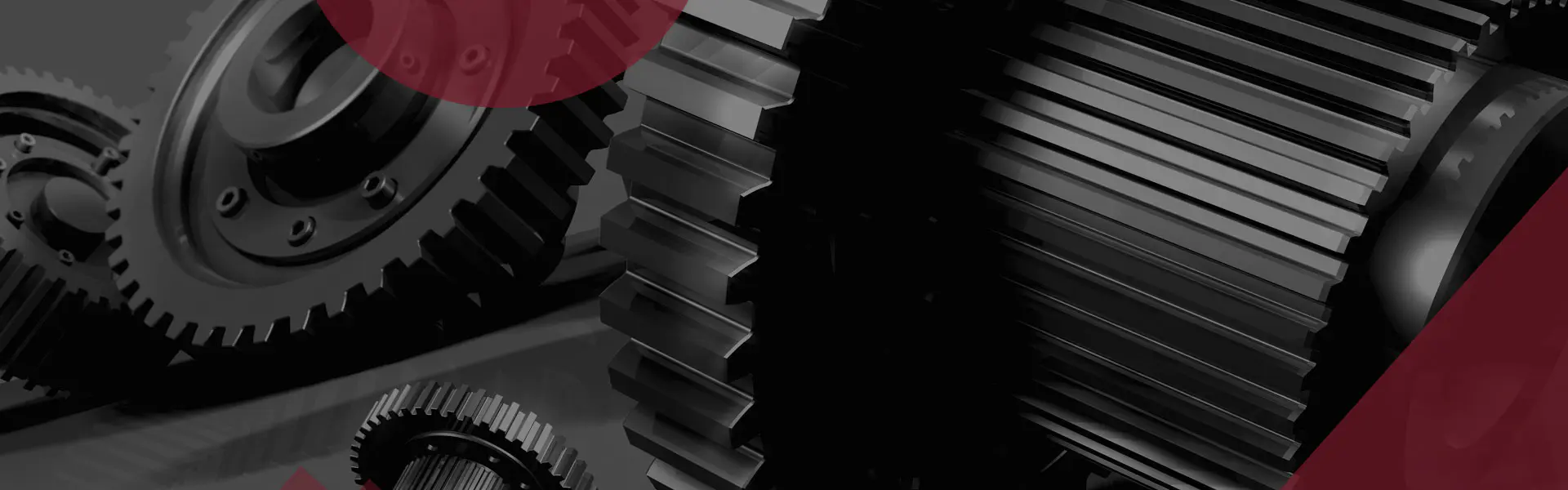
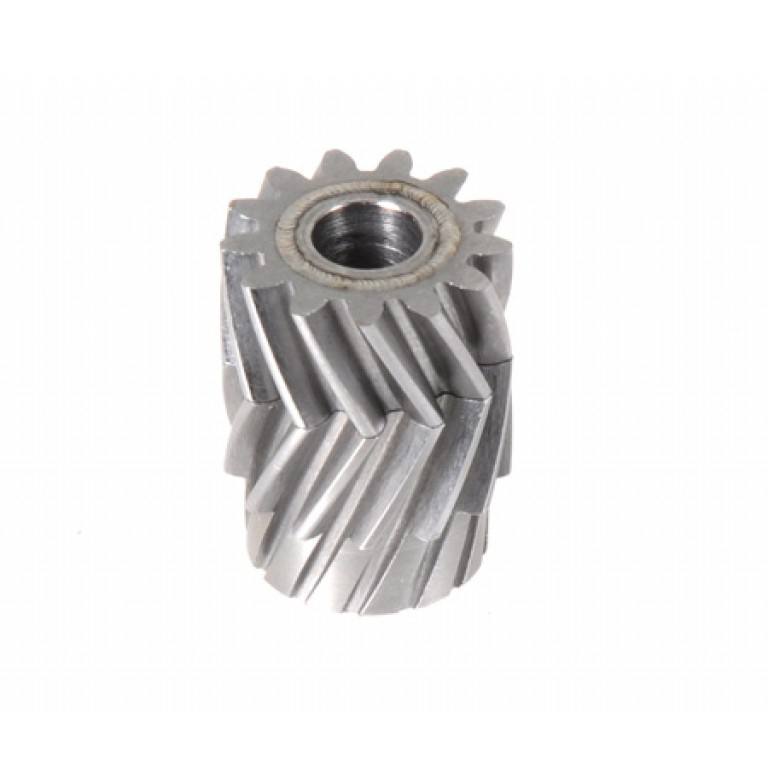
Herringbone gears, also known as double helical gears, are a specialized type of gear used in heavy-duty mechanical applications. These gears feature two sets of helical teeth that are arranged in a V-shape, which cancels out axial thrust and allows for smooth, efficient power transmission at high speeds and under substantial loads. Unlike single helical gears, herringbone gears do not require thrust bearings, making them ideal for applications where space and efficiency are critical. They are commonly used in industries such as automotive, aerospace, marine, and industrial machinery due to their durability, quiet operation, and ability to handle high torque.
Our herringbone gears are manufactured to meet strict quality standards, ensuring reliability and performance in demanding environments. Below is a detailed list of key parameters that define our product offerings.
For a comprehensive overview, refer to the table below which outlines standard herringbone gear specifications. Customizations are available based on client needs.
| Parameter | Standard Value | Custom Range | Application Notes |
|---|---|---|---|
| Outer Diameter (mm) | 50 - 500 | 20 - 1000 | Larger diameters for heavy machinery. |
| Number of Teeth | 20 - 100 | 10 - 200 | Adjustable for specific gear ratios. |
| Face Width (mm) | 20 - 200 | 10 - 300 | Wider face for higher load capacity. |
| Weight (kg) | 1 - 50 | 0.5 - 100 | Varies with material and size. |
| Noise Level (dB) | < 75 | Customizable | Lower noise in precision applications. |
| Lubrication Requirement | Oil or grease | Dry options available | Depends on operating conditions. |
Herringbone gears offer numerous benefits over other gear types, making them a preferred choice in many industries. Their unique design eliminates axial thrust, reducing wear and extending lifespan. They operate more quietly and smoothly than spur or single helical gears, which is crucial in applications like automotive transmissions or industrial equipment where noise reduction is important. Additionally, their ability to handle high torque and speeds without additional components like thrust bearings leads to simpler, more efficient systems. This results in lower maintenance costs and improved reliability over time.
Here are some frequently asked questions about herringbone gears, answered in detail to help you understand their applications and benefits.
What is the main difference between herringbone gears and single helical gears?
Herringbone gears have two opposing helical teeth sets that cancel axial thrust, whereas single helical gears generate axial thrust requiring thrust bearings. This makes herringbone gears more efficient and compact for high-load applications.
Can herringbone gears be used in high-speed applications?
Yes, herringbone gears are designed for high-speed operations, capable of reaching up to 10,000 RPM. Their balanced design reduces vibration and noise, making them ideal for applications like turbines and high-speed machinery.
What materials are best for herringbone gears in corrosive environments?
For corrosive environments, stainless steel or bronze materials are recommended due to their resistance to rust and degradation. Alloy steels with protective coatings can also be used depending on the specific conditions.
How do I determine the right gear ratio for my application?
The gear ratio depends on the desired speed and torque output. Consult with our engineering team providing details like input RPM, load requirements, and space constraints for a customized solution.
Are custom herringbone gears available, and what is the lead time?
Yes, we offer fully customizable herringbone gears based on client specifications. Lead times vary from 2 to 8 weeks depending on complexity, quantity, and material availability.
What maintenance is required for herringbone gears?
Regular lubrication and inspection for wear are essential. Due to their design, herringbone gears generally require less maintenance than other types, but periodic checks ensure longevity and performance.
Can herringbone gears be paired with other gear types?
Yes, they can be used in systems with spur gears or bevel gears, but proper alignment and design considerations are necessary to avoid issues like increased noise or wear.
What industries commonly use herringbone gears?
Common industries include automotive (e.g., transmissions), aerospace (e.g., engine components), marine (e.g., propulsion systems), and heavy machinery (e.g., mining equipment).