Language
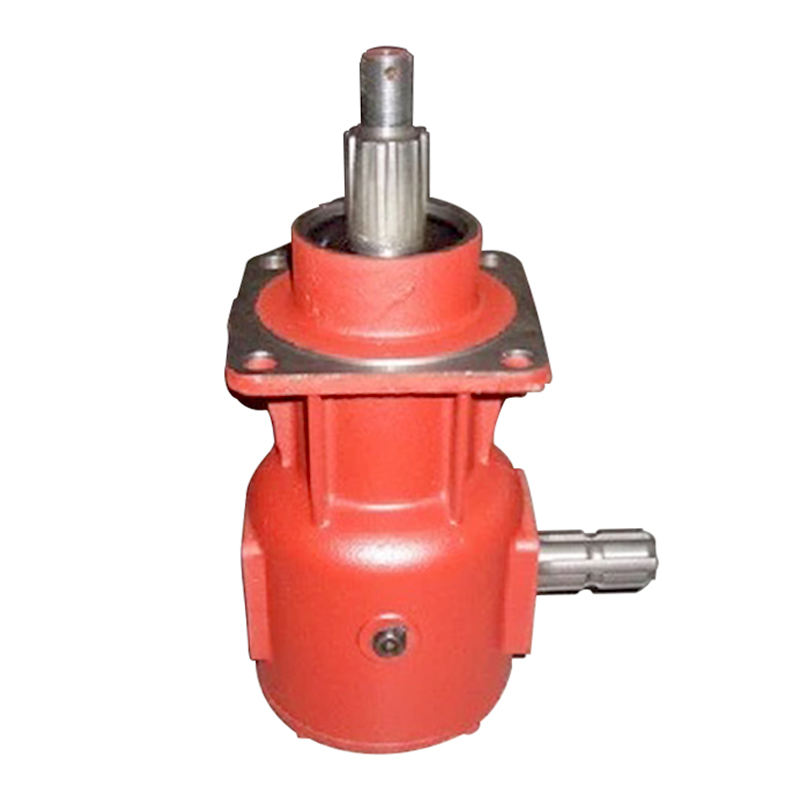
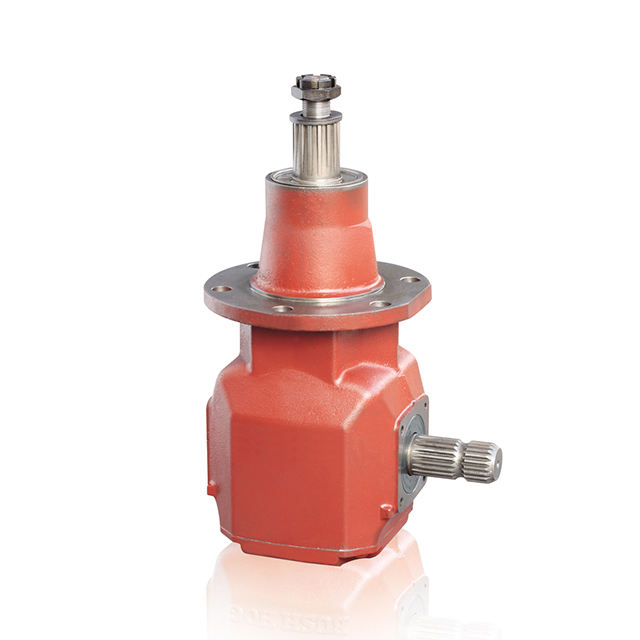
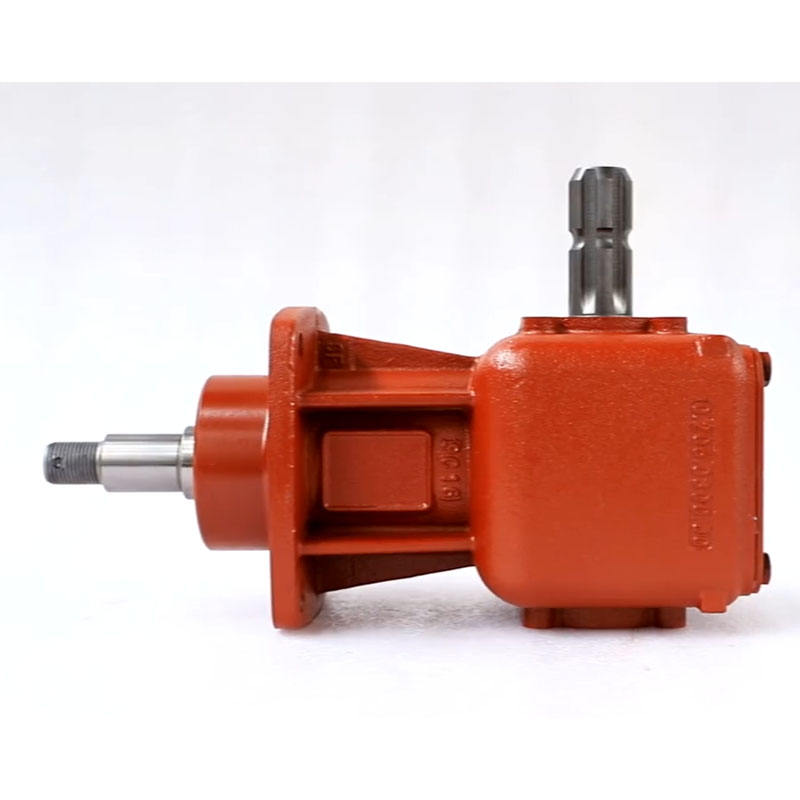
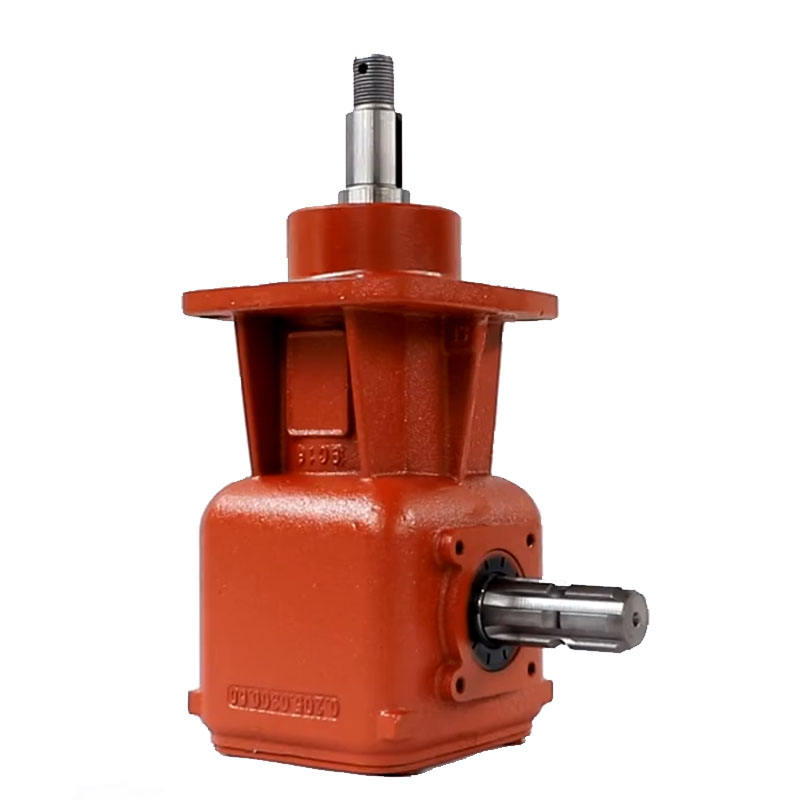
Our Rotary Mower Gearbox is engineered for durability and high performance in demanding agricultural and landscaping applications. It ensures smooth power transmission from the tractor to the mower blades, enabling efficient cutting of tough vegetation. Built with premium materials and precision manufacturing, this gearbox reduces maintenance needs and extends equipment life. Key attributes include robust housing, efficient heat dissipation, and compatibility with various mower models. Below, we detail the specifications and parameters that make our gearbox a top choice for professionals.
Understanding the technical details of our Rotary Mower Gearbox helps in selecting the right model for your needs. We provide comprehensive parameter lists and tables for clarity.
| Model Number | Gear Ratio | Input Speed (RPM) | Output Torque (Nm) | Weight (kg) | Price (USD) |
|---|---|---|---|---|---|
| RMG-100 | 1:1.1 | 1000 | 500 | 15 | 250 |
| RMG-200 | 1:1.5 | 1000 | 1000 | 20 | 350 |
| RMG-300 | 1:2.1 | 1000 | 2000 | 30 | 450 |
Here are some common questions and detailed answers to help users understand and maintain their Rotary Mower Gearbox effectively.
What is the typical lifespan of a Rotary Mower Gearbox?
The lifespan depends on usage and maintenance. With proper lubrication and avoidance of overload, it can last 5-10 years. Regular checks for wear and tear are recommended.
How often should I lubricate the gearbox?
Lubricate every 100 hours of operation or at least once per mowing season. Use SAE 80W-90 gear oil and check levels frequently to prevent damage.
Can I use this gearbox with any tractor PTO?
Yes, it is designed to be compatible with standard tractor PTOs that have a speed of 540 or 1000 RPM. Ensure the input shaft size matches your tractor's specifications.
What should I do if the gearbox overheats?
Overheating may indicate low lubricant or overloading. Stop operation immediately, check oil levels, and allow it to cool. If persistent, inspect for internal damage or misalignment.
Are replacement parts readily available?
Yes, we offer a full range of replacement parts such as gears, seals, and bearings. They can be ordered through our website or authorized dealers for quick shipment.
How do I install the gearbox correctly?
Follow the manufacturer's manual: align the input shaft with the PTO, secure mounting bolts tightly, and ensure proper lubrication before first use. Incorrect installation can lead to failure.
What maintenance tips can extend the gearbox's life?
Regularly inspect for leaks, keep it clean from debris, lubricate as scheduled, and avoid operating beyond the rated torque. Store in a dry place when not in use.
Is the gearbox waterproof or resistant to environmental elements?
It features sealed housing to protect against dust and moisture, but it is not fully waterproof. Avoid submerging or exposing it to heavy rain without protection.
Can I repair the gearbox myself, or should I seek professional help?
Simple tasks like lubrication and seal replacement can be DIY if you have mechanical skills. For internal repairs, we recommend consulting a professional to avoid voiding the warranty.
What are the signs that my gearbox needs replacement?
Look for excessive noise, vibration, oil leaks, or loss of power. If repairs are frequent or costly, it might be more economical to replace the unit with a new one.