Language
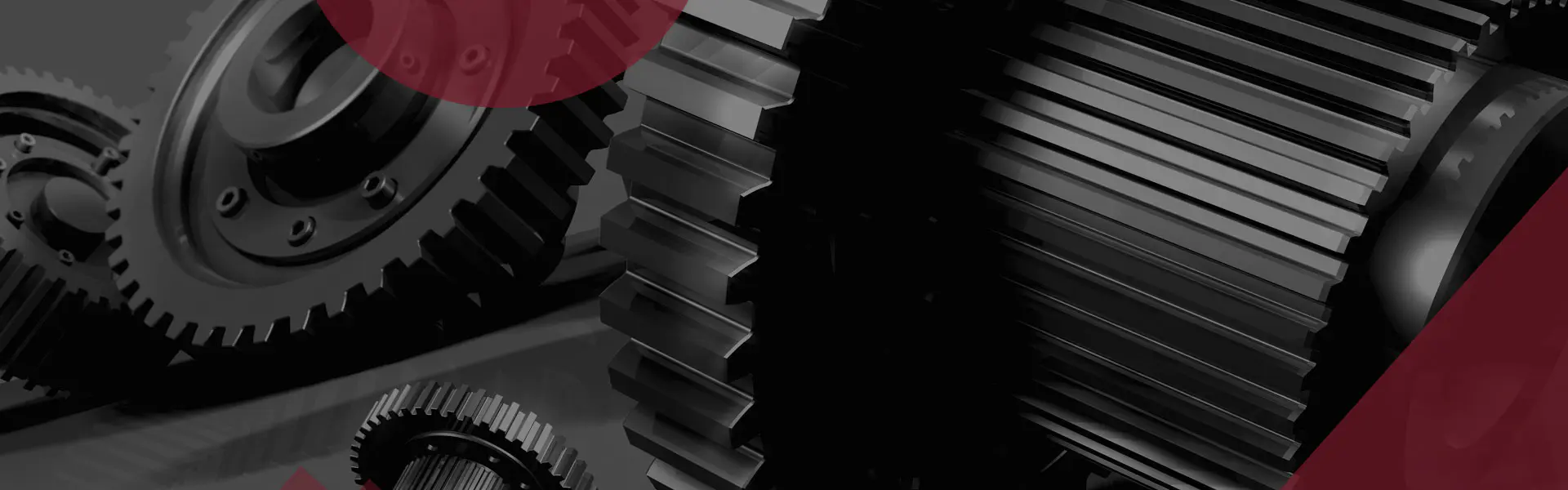
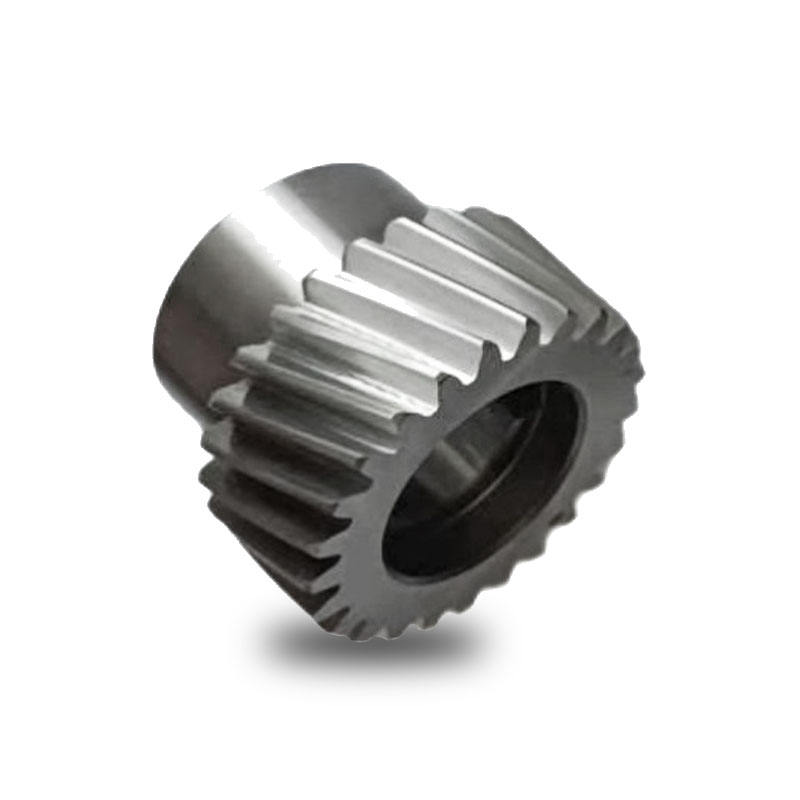
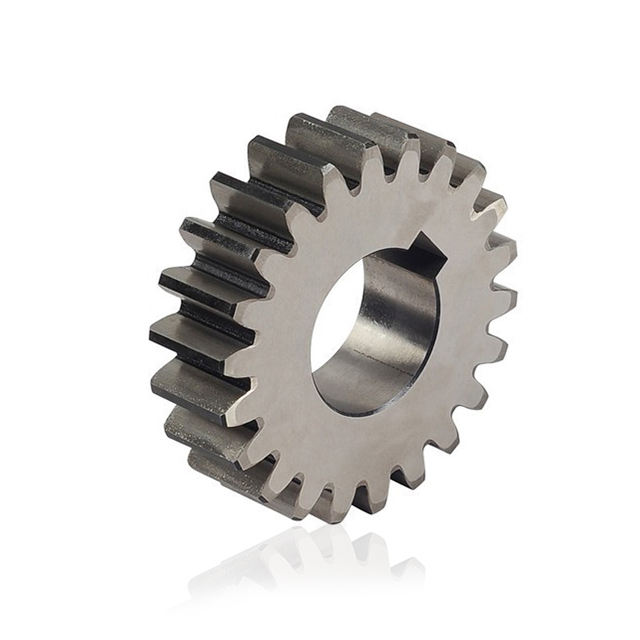
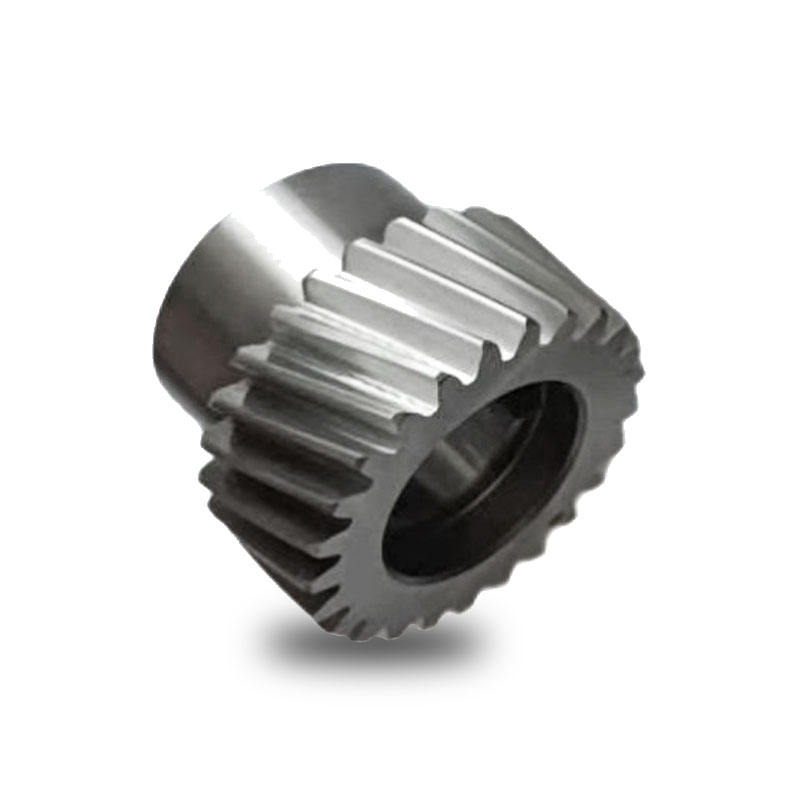
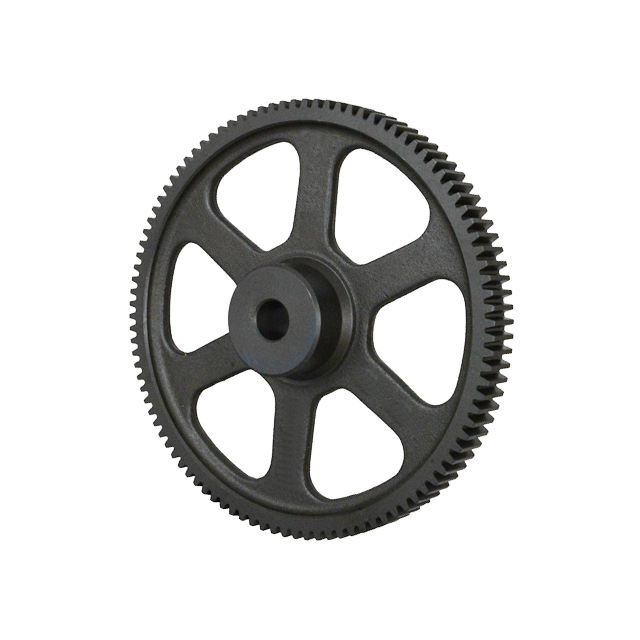
Helical gears are a type of cylindrical gear with teeth that are cut at an angle to the axis of rotation, creating a helix shape. This design allows for smoother and quieter operation compared to spur gears, as the teeth engage gradually rather than all at once. They are widely used in various industries, including automotive, aerospace, and manufacturing, due to their efficiency in transmitting power and reducing noise. Helical gears can be mounted on parallel or non-parallel shafts, offering versatility in mechanical systems.
Our helical gears are manufactured to meet strict industry standards, ensuring durability and performance. Below is a detailed table of product parameters for different models.
| Model Number | Material | Module (mm) | Number of Teeth | Helix Angle (degrees) | Face Width (mm) | Max RPM | Load Capacity (N) |
|---|---|---|---|---|---|---|---|
| HG-101 | Carbon Steel | 2 | 20 | 20 | 25 | 5000 | 1500 |
| HG-102 | Stainless Steel | 3 | 30 | 15 | 30 | 4500 | 2000 |
| HG-103 | Brass | 1.5 | 25 | 25 | 20 | 6000 | 1000 |
| HG-104 | Plastic (Nylon) | 1 | 15 | 10 | 15 | 7000 | 500 |
| HG-105 | Alloy Steel | 4 | 40 | 30 | 35 | 4000 | 3000 |
Helical gears are essential components in many mechanical systems. Their ability to handle high loads and operate quietly makes them ideal for applications such as automotive transmissions, industrial machinery, conveyor systems, and power generation equipment. In the automotive industry, they are used in gearboxes to ensure smooth shifting and reduced noise. In manufacturing, they help in heavy-duty machines that require reliable power transmission.
What is the main difference between helical gears and spur gears?
Helical gears have teeth cut at an angle, allowing for smoother and quieter operation, while spur gears have straight teeth that engage abruptly, causing more noise and vibration.
How do I choose the right helical gear for my application?
Consider factors such as load capacity, speed (RPM), material compatibility, environmental conditions, and shaft alignment. Our product table above provides specifications to help guide your selection based on these parameters.
Can helical gears be used for high-speed applications?
Yes, helical gears are suitable for high-speed applications due to their design, which reduces friction and heat buildup. Models like HG-103 and HG-104 in our lineup support RPMs up to 7000.
What maintenance is required for helical gears?
Regular lubrication is essential to minimize wear and prevent overheating. Inspect for signs of wear, such as pitting or scoring, and ensure proper alignment during installation to extend gear life.
Are helical gears more expensive than spur gears?
Initially, helical gears may cost more due to their complex manufacturing process, but they offer long-term benefits like reduced maintenance and longer service life, making them cost-effective over time.
Can helical gears handle heavy loads?
Absolutely. Helical gears are designed with a larger contact area between teeth, enabling them to support higher loads compared to spur gears. For example, our HG-105 model can handle loads up to 3000 N.
What materials are commonly used for helical gears?
Common materials include carbon steel for strength, stainless steel for corrosion resistance, brass for non-sparking applications, and plastic for lightweight and quiet operation. The choice depends on the specific application requirements.
How does the helix angle affect gear performance?
The helix angle influences the smoothness of operation and load capacity. A higher angle (e.g., 30 degrees) provides smoother engagement but may require thrust bearings to handle axial forces, while a lower angle (e.g., 10 degrees) offers a balance between performance and simplicity.
Can I use helical gears for non-parallel shafts?
Yes, helical gears can be used with non-parallel shafts, such as in crossed-axis configurations, but this requires careful design to ensure proper meshing and avoid excessive wear.
What industries commonly use helical gears?
Industries include automotive (e.g., transmissions), aerospace (e.g., actuators), manufacturing (e.g., machinery drives), and energy (e.g., wind turbines), where reliable and efficient power transmission is critical.