Language
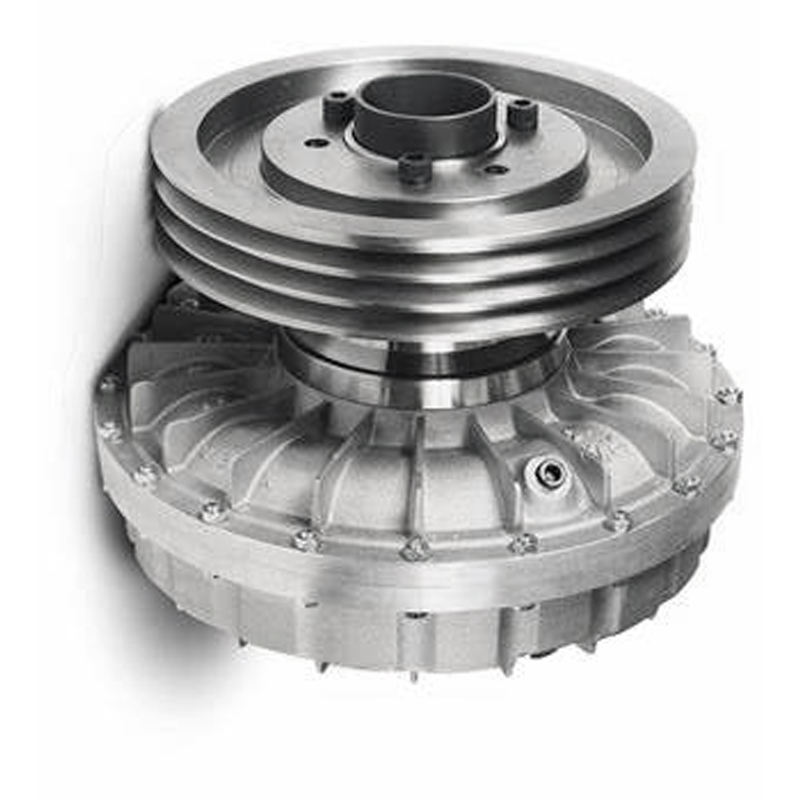
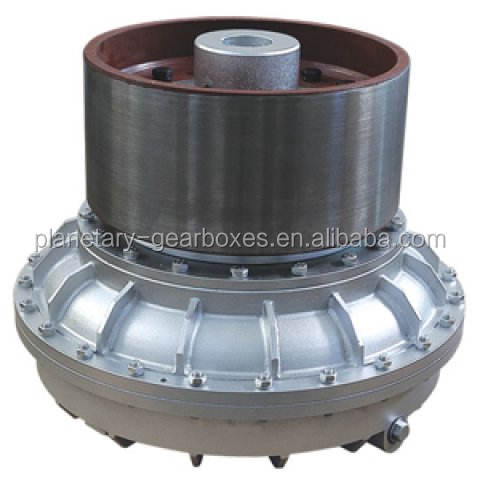
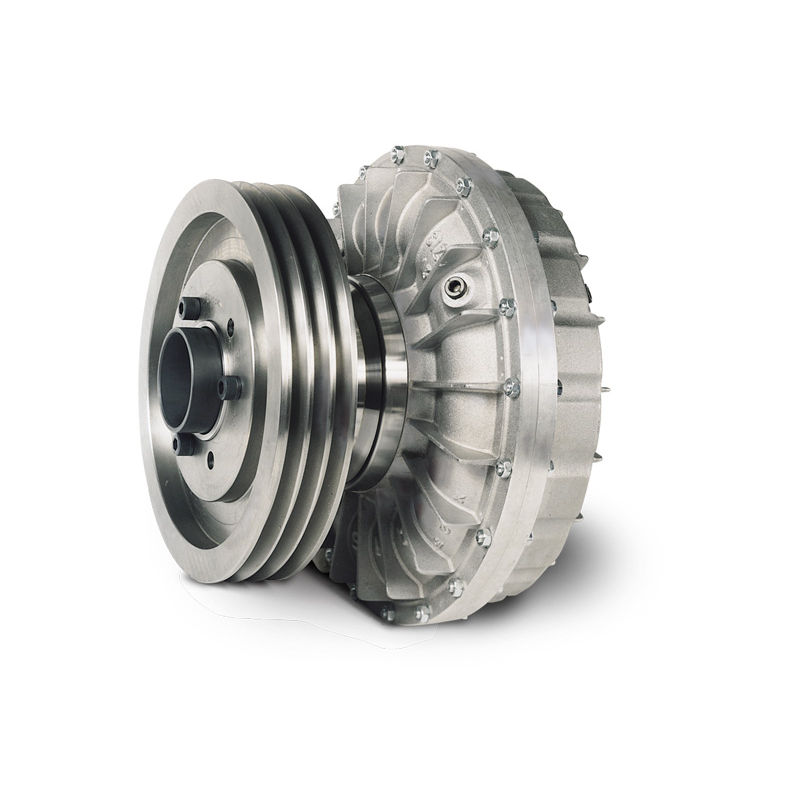
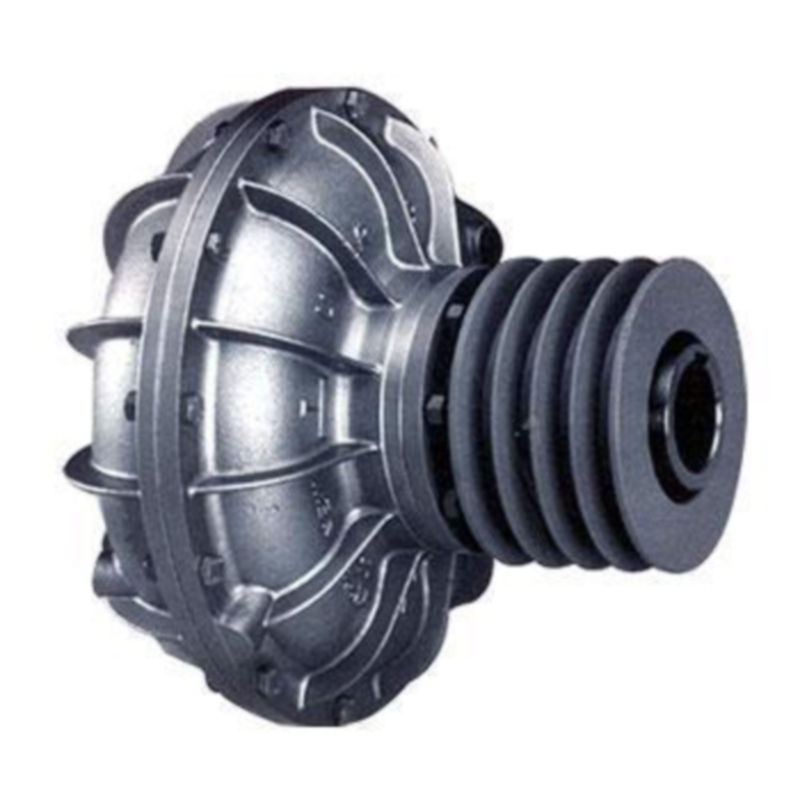
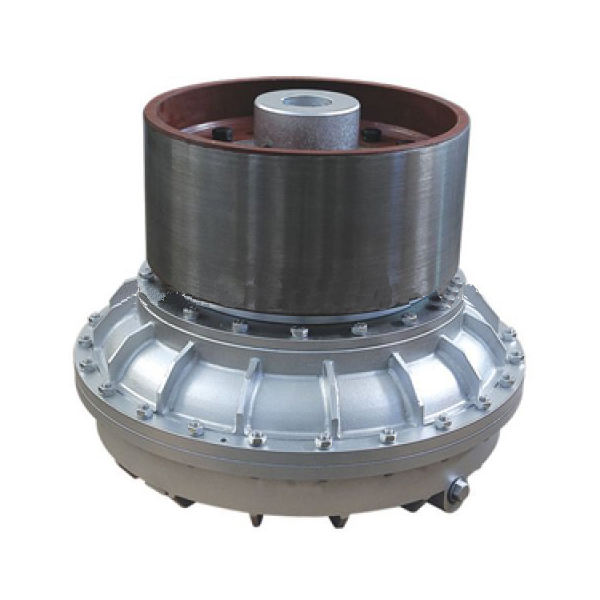
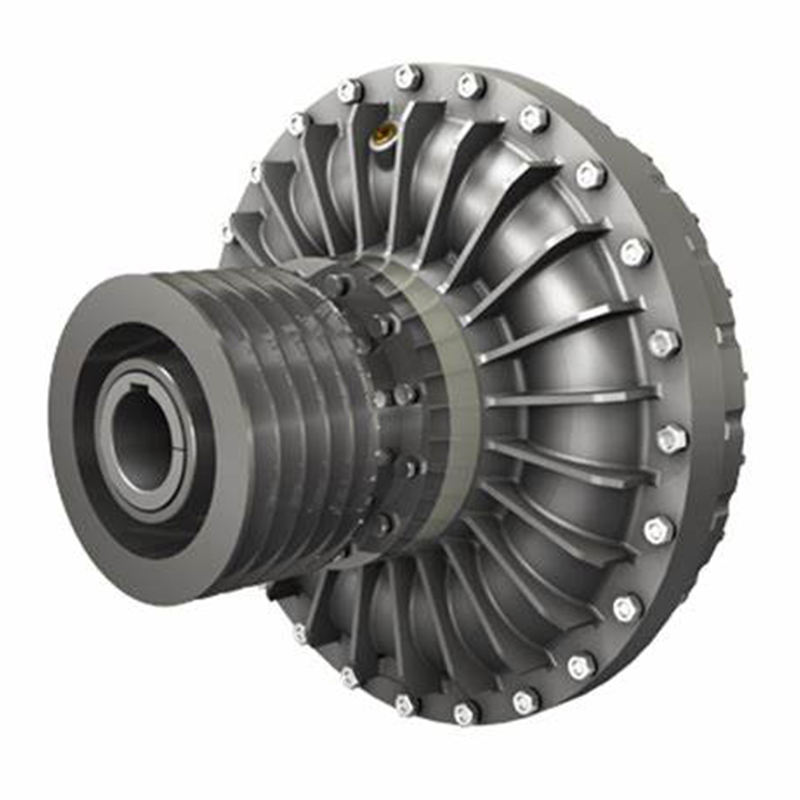
Fluid couplings are hydrodynamic devices used to transmit rotating mechanical power. They employ hydraulic fluid to transfer torque and are crucial in applications requiring smooth startup, load sharing, and overload protection. Consisting primarily of an impeller (pump) and a runner (turbine) enclosed in a housing, fluid couplings operate without mechanical contact, reducing wear and maintenance. They are widely utilized in industries such as mining, conveyor systems, crushers, and automotive transmissions due to their ability to provide controlled acceleration and dampen shocks.
Our fluid couplings are engineered to meet high industrial standards, with parameters tailored for durability and efficiency. Below is a detailed specification table for our standard models.
| Model | Power Range (kW) | Speed Range (RPM) | Maximum Torque (Nm) | Fill Volume (Liters) | Weight (kg) | Application |
|---|---|---|---|---|---|---|
| FC-100 | 5 - 20 | 500 - 3000 | 150 | 0.5 - 1.0 | 8 | Small conveyors, pumps |
| FC-200 | 20 - 50 | 400 - 2500 | 350 | 1.0 - 2.5 | 15 | Industrial fans, mixers |
| FC-300 | 50 - 100 | 300 - 2000 | 700 | 2.5 - 5.0 | 25 | Crushers, heavy conveyors |
| FC-400 | 100 - 200 | 200 - 1500 | 1200 | 5.0 - 10.0 | 40 | Mining equipment, large mills |
| FC-500 | 200 - 500 | 100 - 1000 | 2500 | 10.0 - 20.0 | 70 | Marine drives, heavy machinery |
Note: All models are constructed from high-grade materials such as cast iron or aluminum alloy for the housing, with stainless steel components where necessary. Customizations are available for specific operational requirements, including temperature ranges from -20°C to 120°C and compatibility with various hydraulic fluids.
What is the primary function of a fluid coupling?
Fluid couplings are designed to transmit rotational power smoothly and efficiently between two shafts without mechanical connection, using hydraulic fluid to transfer torque and provide overload protection.
How does a fluid coupling protect against overloads?
When the load exceeds the coupling's capacity, the fluid allows slippage between the impeller and runner, dissipating energy as heat and preventing damage to the drive and driven machinery.
What type of hydraulic fluid should be used in fluid couplings?
Typically, mineral-based oils with specific viscosity grades (e.g., ISO VG 32 or 46) are recommended. The exact fluid depends on operating temperature and manufacturer specifications; always refer to the product manual for guidance.
Can fluid couplings be used in high-speed applications?
Yes, many models are rated for high speeds up to 3000 RPM or more. However, it is essential to select a coupling designed for the specific speed range to avoid inefficiencies or failure due to centrifugal forces.
How often should the fluid be changed in a fluid coupling?
Under normal conditions, fluid should be inspected annually and changed every 2-3 years or after 10,000 operating hours. In harsh environments or heavy usage, more frequent checks and changes may be necessary.
Are fluid couplings maintenance-free?
While they require less maintenance than mechanical couplings, periodic checks for leaks, fluid level, and contamination are advised. Sealed units may not need fluid changes but should be monitored for overall condition.
What are the common signs of fluid coupling failure?
Symptoms include overheating, unusual noises, decreased performance, fluid leaks, or excessive vibration. Regular maintenance can help identify issues early and prevent failures.
Can fluid couplings be repaired, or do they need replacement?
Minor issues like seal replacements or fluid refills can be repaired. However, significant damage to the housing or internal components often necessitates full replacement to ensure reliability and safety.
How do I select the right fluid coupling for my application?
Consider factors such as power requirements, speed, torque, operating environment, and space constraints. Consulting the manufacturer's sizing guidelines or an engineer is recommended for optimal selection.
Are there environmental considerations for fluid couplings?
Yes, use environmentally friendly fluids where possible, and ensure proper disposal of used oil. Modern couplings are designed to minimize leak risks, but regular inspections help prevent environmental contamination.