Language
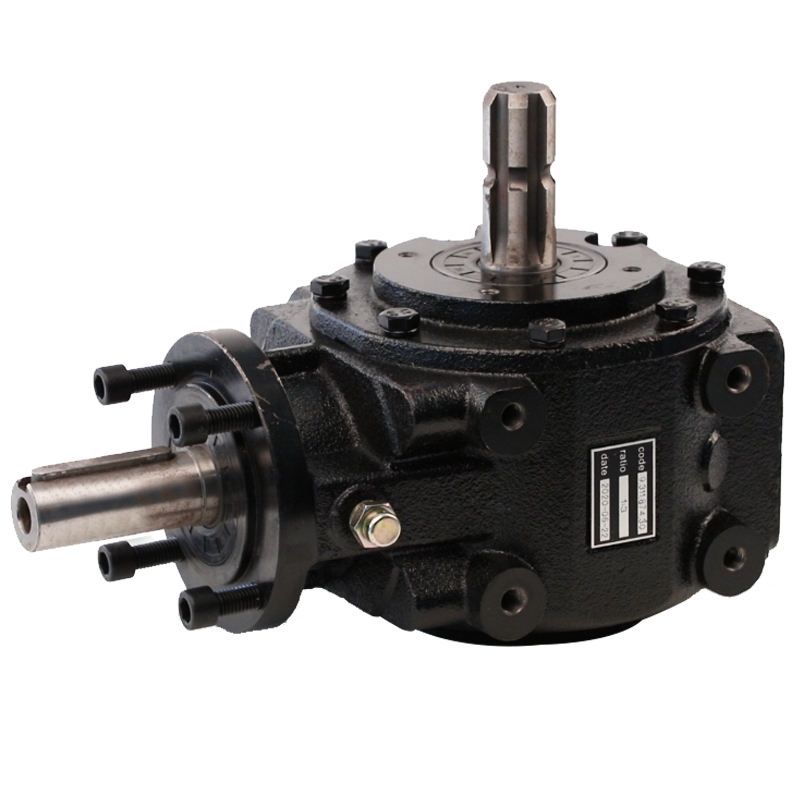
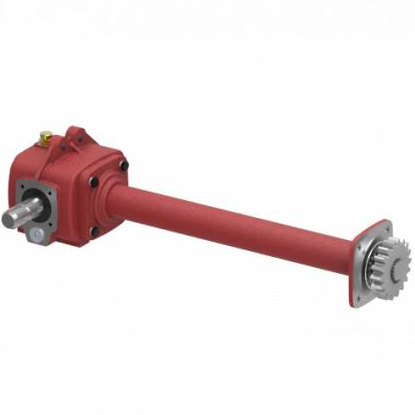
A rotary tiller gearbox is a crucial component in agricultural machinery, specifically designed to transfer power from the tractor to the tiller blades. It efficiently converts the engine's high-speed, low-torque output into low-speed, high-torque rotation, enabling the tiller to break up soil, mix in residues, and prepare seedbeds effectively. Built for durability and performance, these gearboxes are essential for farmers and landscapers seeking reliable soil preparation equipment. They come in various configurations to match different tractor models and tiller sizes, ensuring optimal compatibility and efficiency in diverse farming conditions.
Our rotary tiller gearboxes are engineered to meet rigorous agricultural standards. Below is a comprehensive table outlining the specifications for different models.
| Model Number | Input Speed (RPM) | Output Speed (RPM) | Gear Ratio | Maximum Torque (Nm) | Weight (kg) | Material |
|---|---|---|---|---|---|---|
| RTG-100 | 540 | 200 | 2.7:1 | 1500 | 25 | Cast Iron |
| RTG-200 | 540 | 180 | 3:1 | 2000 | 30 | Alloy Steel |
| RTG-300 | 1000 | 250 | 4:1 | 2500 | 35 | Stainless Steel Coated |
| RTG-400 | 540 | 150 | 3.6:1 | 3000 | 40 | Hardened Cast Iron |
Rotary tiller gearboxes are versatile and used in various agricultural and landscaping tasks. They are integral to soil preparation, helping to achieve fine tilth for planting. Common applications include tilling garden beds, preparing fields for crops, incorporating organic matter into soil, and maintaining orchards. Their robust design makes them suitable for both small-scale farms and large commercial operations, ensuring efficient performance in different soil types, from light sandy soils to heavy clay.
What maintenance does a rotary tiller gearbox require?
Regular maintenance includes checking oil levels every 50 hours of operation, changing the gear oil annually or after 500 hours, and inspecting for leaks or unusual noises. Ensure all bolts are tight and the gearbox is clean from debris to prevent overheating and wear.
How do I choose the right gearbox for my tiller?
Select a gearbox based on your tractor's PTO speed (e.g., 540 or 1000 RPM), the required output speed for your tiller blades, and the torque capacity needed for your soil conditions. Refer to your tiller's manual or consult with our technical support for model-specific recommendations.
Can I repair a damaged gearbox myself?
Minor issues like oil leaks or seal replacements can be done by users with mechanical skills, but major repairs such as gear replacement should be handled by professionals to avoid further damage. Always use genuine parts to ensure compatibility and safety.
What is the average lifespan of a rotary tiller gearbox?
With proper maintenance, a high-quality gearbox can last 5-10 years or more, depending on usage intensity. Factors like operating in abrasive soils or inadequate lubrication can reduce lifespan, so follow the manufacturer's guidelines for care.
Are these gearboxes compatible with all tractor brands?
Most gearboxes are designed to be universal, but it's essential to verify the input shaft size, PTO type, and mounting dimensions. We offer adapters for certain models, and our product listings include compatibility information for major brands like John Deere, Kubota, and Massey Ferguson.
How does gear ratio affect tiller performance?
A higher gear ratio (e.g., 4:1) provides more torque at lower speeds, ideal for heavy soils, while a lower ratio (e.g., 2.7:1) offers higher speed for lighter soils. Choose a ratio that matches your soil type to optimize efficiency and prevent strain on the equipment.
What are the signs of gearbox failure?
Common indicators include unusual grinding noises, excessive vibration, oil leaks, overheating, or difficulty in turning the tiller blades. Address these issues promptly to avoid catastrophic failure and costly repairs.
Is lubrication necessary, and what type of oil should I use?
Yes, lubrication is critical for reducing friction and wear. Use a high-quality gear oil with API GL-4 or GL-5 rating, and ensure it meets the viscosity specifications (e.g., SAE 80W-90) recommended in the user manual. Avoid overfilling to prevent pressure buildup.