Language
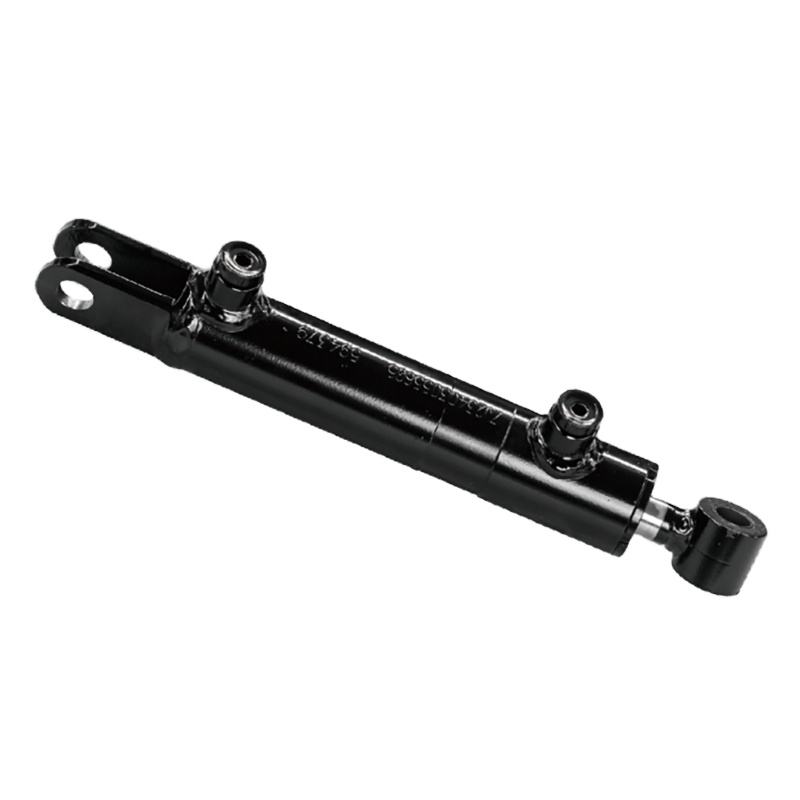
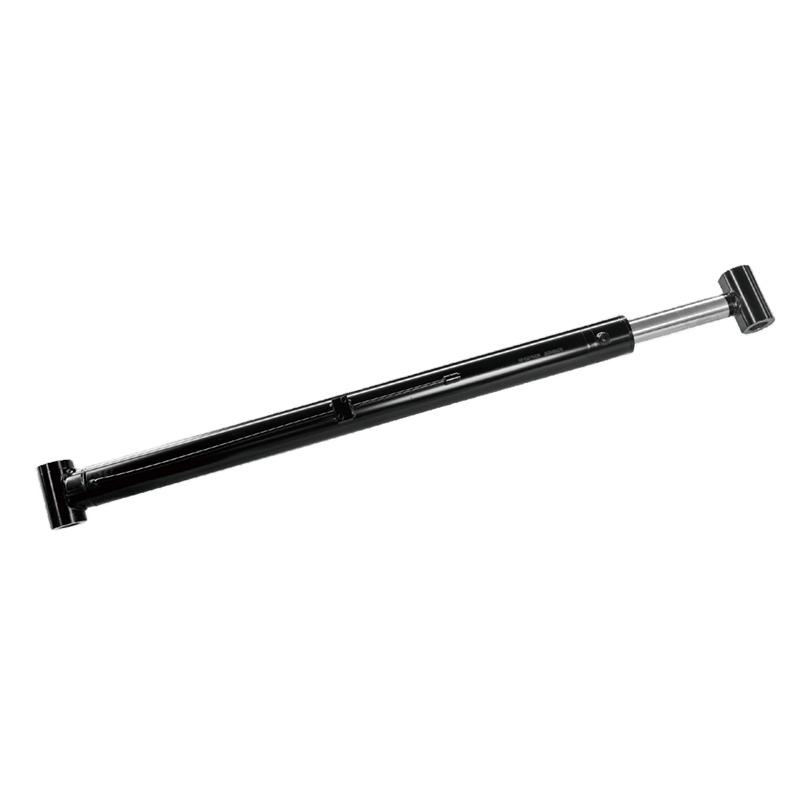
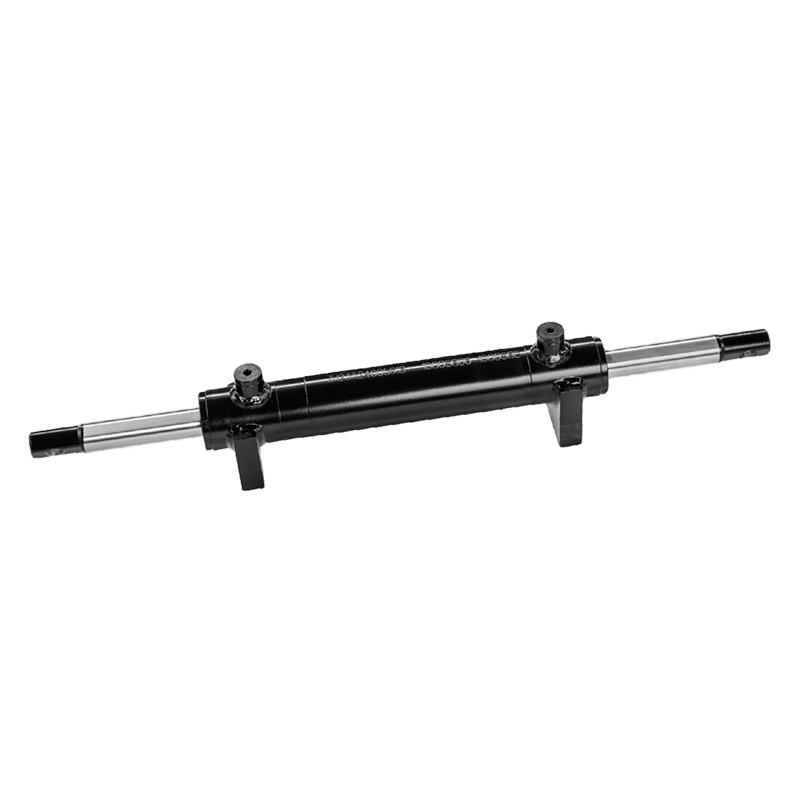
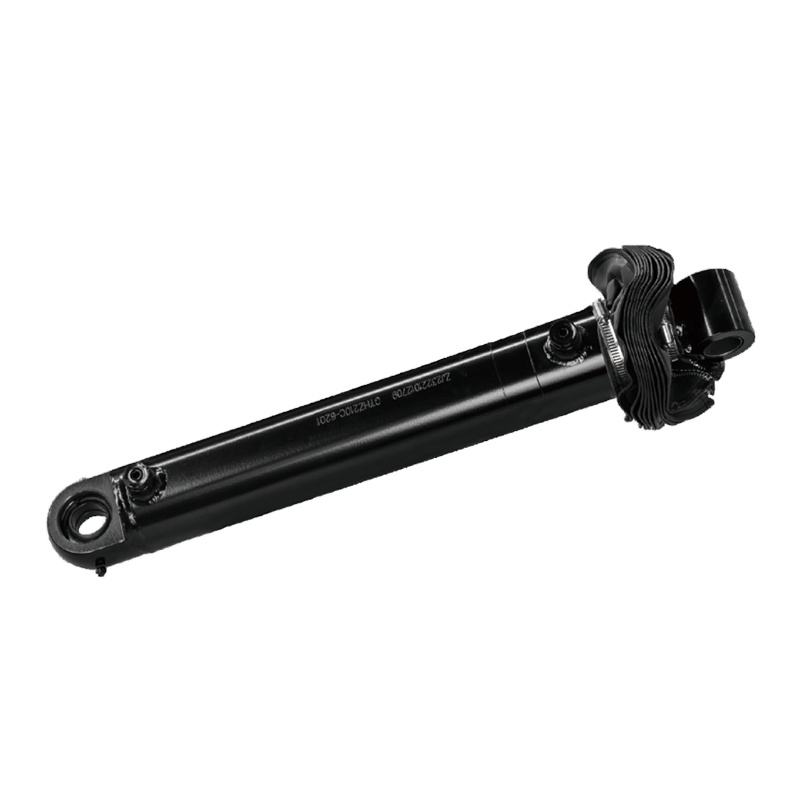
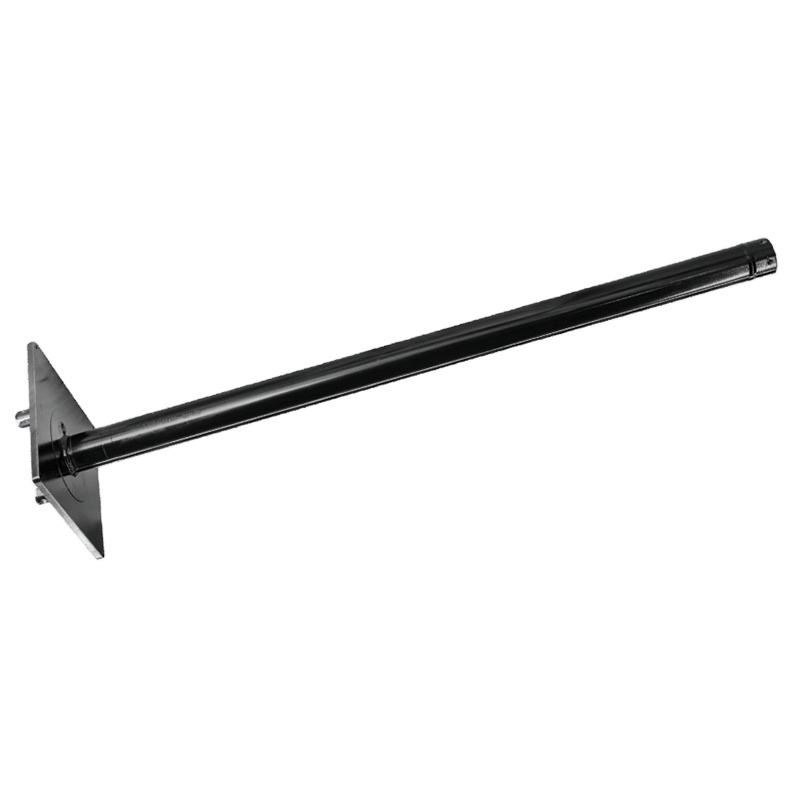
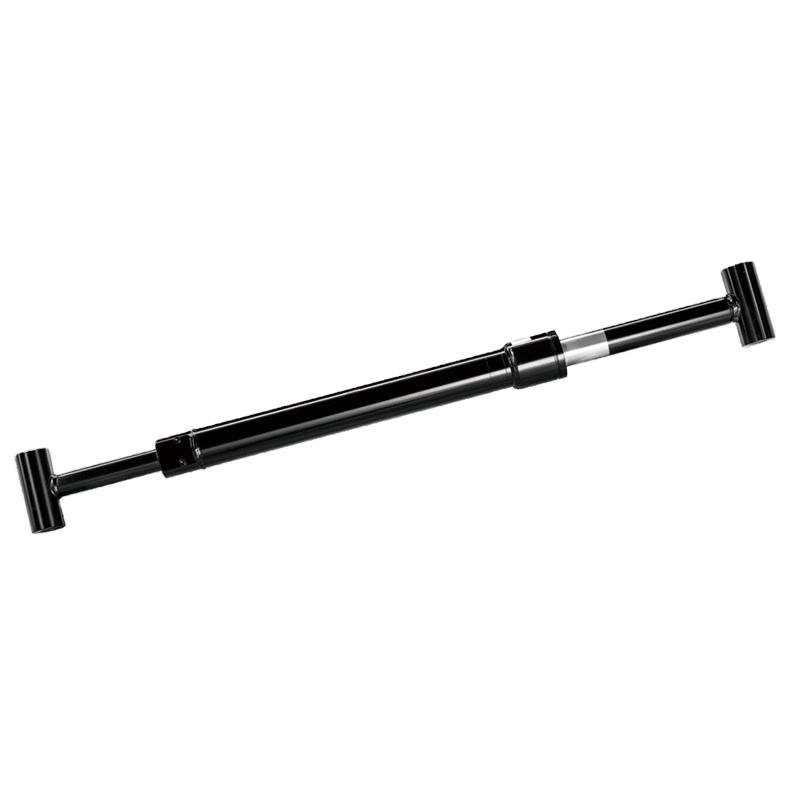
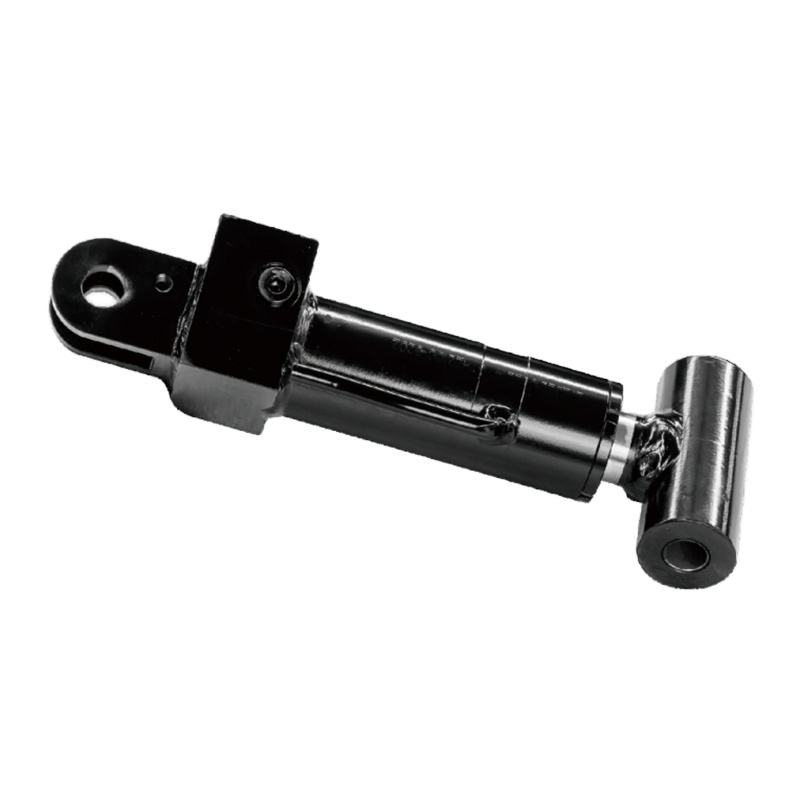
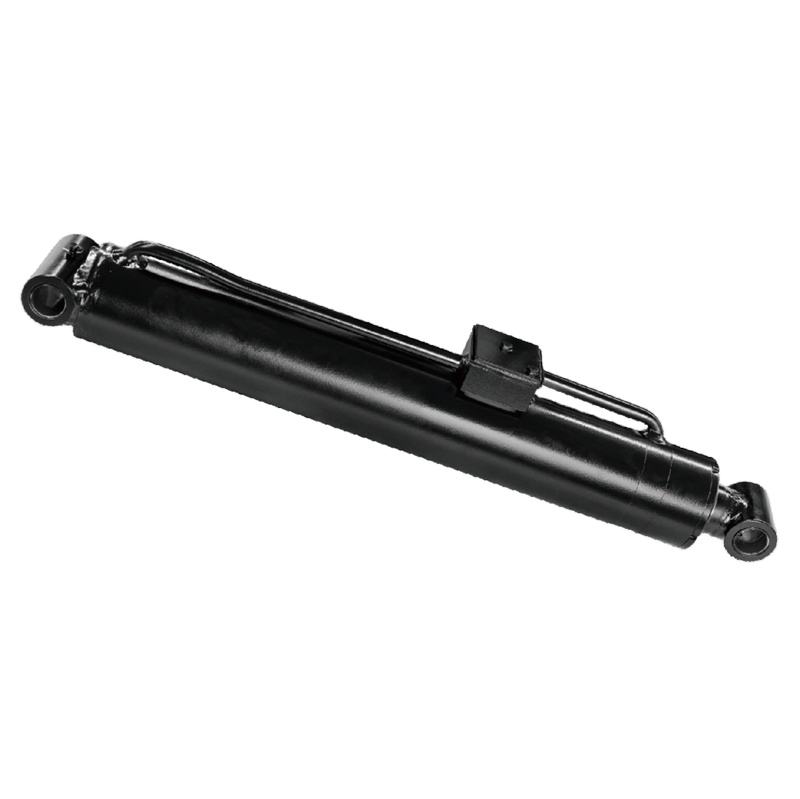
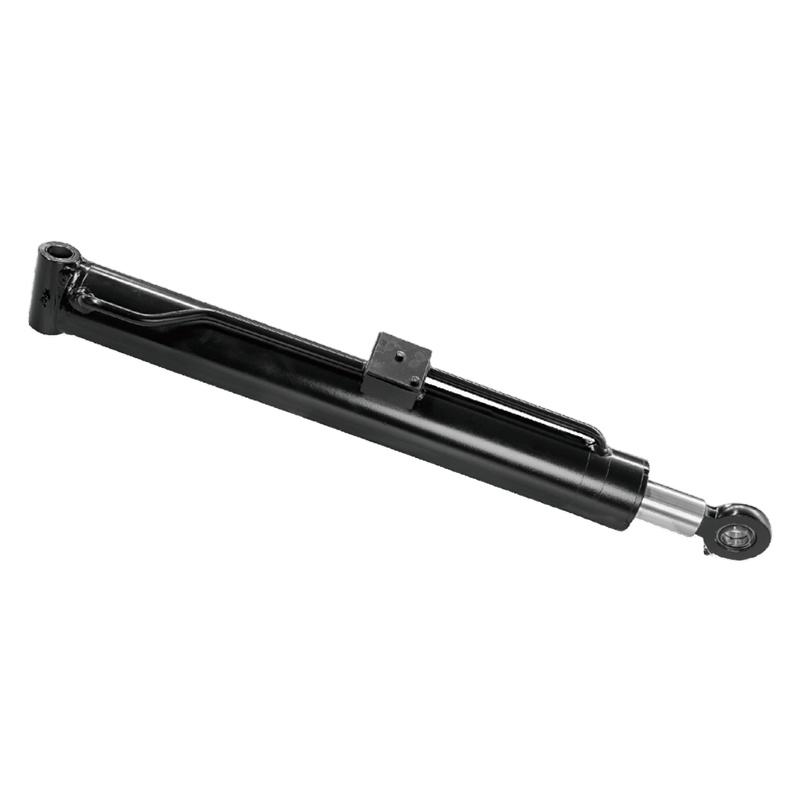
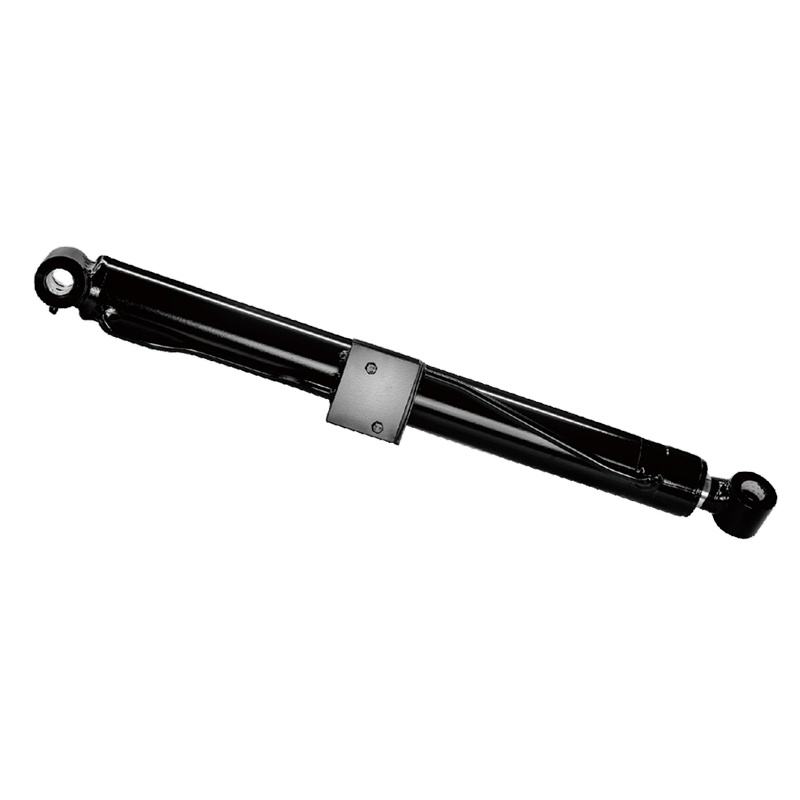
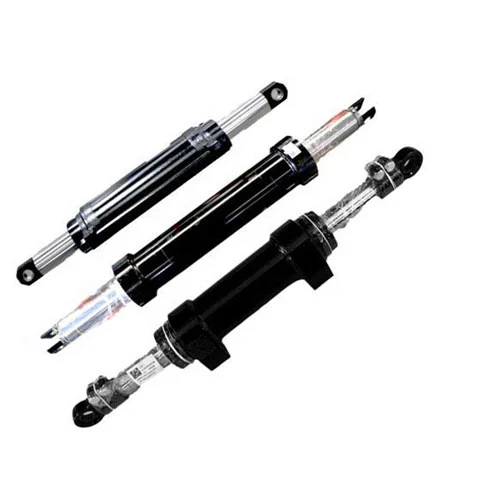
Aerial Work Vehicle Hydraulic Cylinders are essential components in aerial work platforms (AWPs), such as boom lifts, scissor lifts, and telehandlers. These cylinders convert hydraulic energy into mechanical force, enabling precise movement, lifting, and positioning of the platform. Designed for durability and reliability, they withstand high pressures, heavy loads, and harsh environmental conditions, ensuring safety and efficiency in construction, maintenance, and industrial applications.
Our Aerial Work Vehicle Hydraulic Cylinders are engineered to meet specific operational demands. Below is a detailed table of standard parameters, which can be customized based on client requirements.
| Parameter | Specification Range | Units | Notes |
|---|---|---|---|
| Bore Diameter | 50 - 200 | mm | Custom sizes available upon request. |
| Stroke Length | 100 - 3000 | mm | Adjustable for different AWP heights. |
| Operating Pressure | Up to 250 | bar | Designed for high-pressure applications. |
| Rod Diameter | 25 - 140 | mm | Matched to bore size for optimal strength. |
| Mounting Style | Flange, Clevis, Trunnion | - | Various options for easy integration. |
| Material | Carbon Steel, Stainless Steel | - | Coated for corrosion resistance. |
| Weight Capacity | 500 - 10,000 | kg | Depends on cylinder size and design. |
| Temperature Range | -40 to 120 | °C | Ideal for extreme conditions. |
These hydraulic cylinders are widely used in various industries for lifting and positioning tasks. Common applications include:
What is the typical lifespan of an aerial work vehicle hydraulic cylinder?
The lifespan varies based on usage, maintenance, and operating conditions, but with proper care, our cylinders can last 5-10 years or more. Regular inspections and timely replacements of seals can extend longevity.
How do I choose the right hydraulic cylinder for my aerial work platform?
Consider factors such as bore size, stroke length, operating pressure, and mounting style. Refer to your AWP's manual or consult with our technical team for customized recommendations based on your specific model and application needs.
What maintenance is required for these hydraulic cylinders?
Routine maintenance includes checking for leaks, inspecting seals and rods for wear, ensuring proper hydraulic fluid levels, and cleaning external surfaces. We recommend scheduled servicing every 500 operating hours or as per manufacturer guidelines.
Can these cylinders be used in extreme temperatures?
Yes, our cylinders are designed to operate in temperatures from -40°C to 120°C, making them suitable for both cold and hot environments. Special seals and materials are used to prevent performance issues.
Are custom sizes and configurations available?
Absolutely. We offer customizable options for bore diameter, stroke length, mounting styles, and materials to ensure compatibility with various aerial work vehicles. Provide your specifications, and we'll engineer a solution.
What safety standards do your hydraulic cylinders comply with?
Our products meet international standards such as ISO 9001 for quality management and ANSI/SAIA A92.20 for aerial work platforms. They undergo rigorous testing to ensure safety and reliability.
How do I troubleshoot common issues like cylinder drift or slow movement?
Cylinder drift often indicates internal leakage or seal failure, while slow movement may be due to low hydraulic fluid or contamination. Inspect seals, check fluid levels, and clean filters. If problems persist, contact our support for diagnostics.
What is the lead time for ordering custom hydraulic cylinders?
Lead times vary based on complexity and order volume, but typically range from 2-6 weeks. We prioritize urgent requests and provide updates throughout the manufacturing process.
Do you provide installation guidance or support?
Yes, we offer comprehensive installation manuals, video tutorials, and technical support via email or phone. Our team can assist with integration to ensure optimal performance.
How energy-efficient are your hydraulic cylinders?
Our cylinders are designed for high efficiency, with minimal friction and leakage, reducing energy consumption. Advanced sealing and precision components contribute to lower operational costs over time.