Language
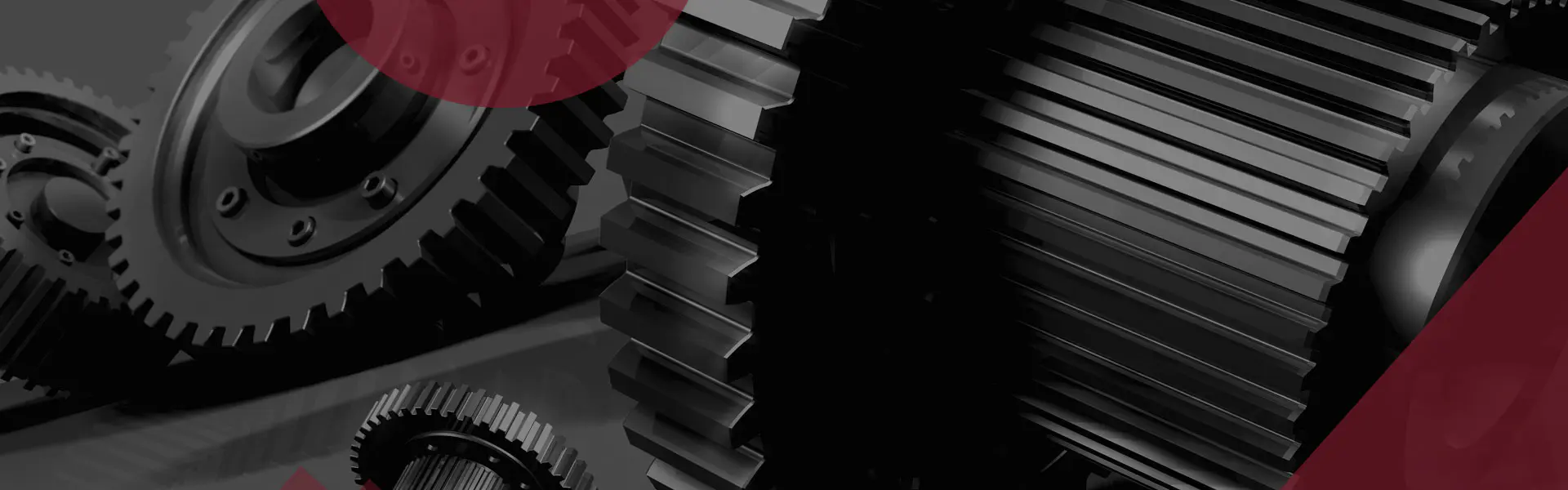
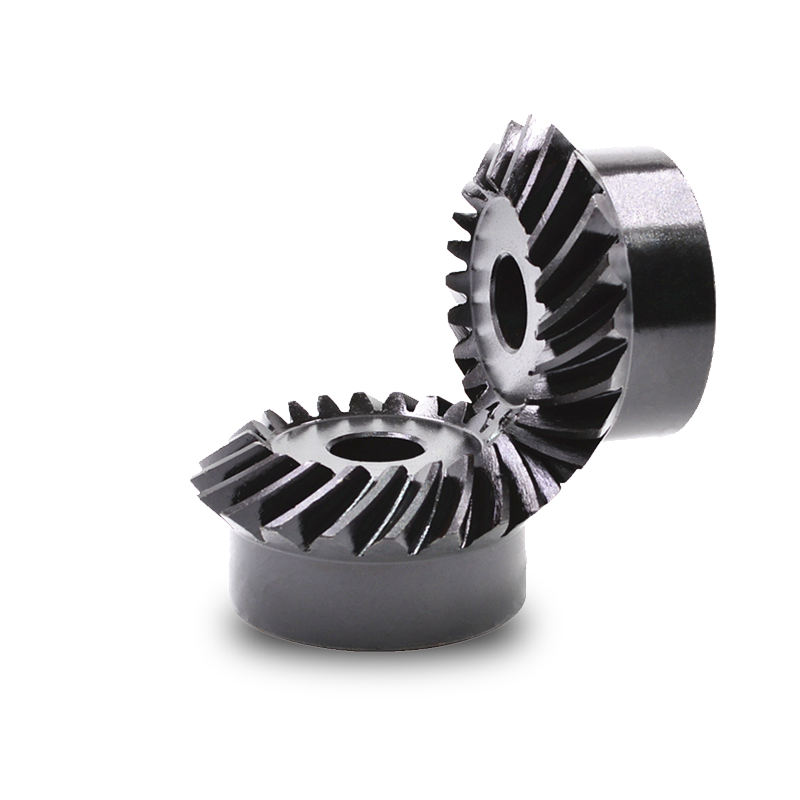
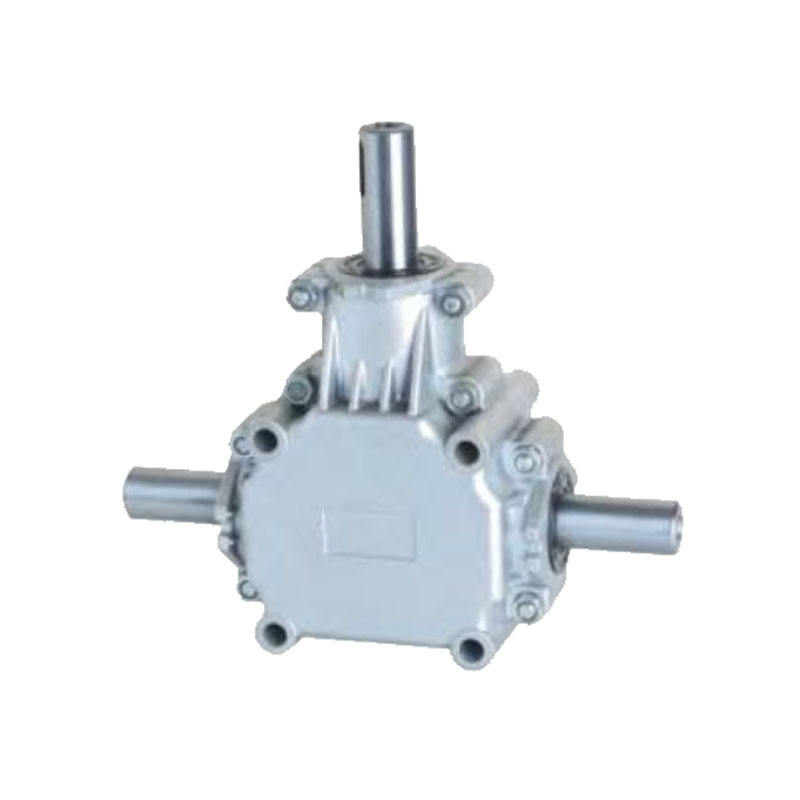
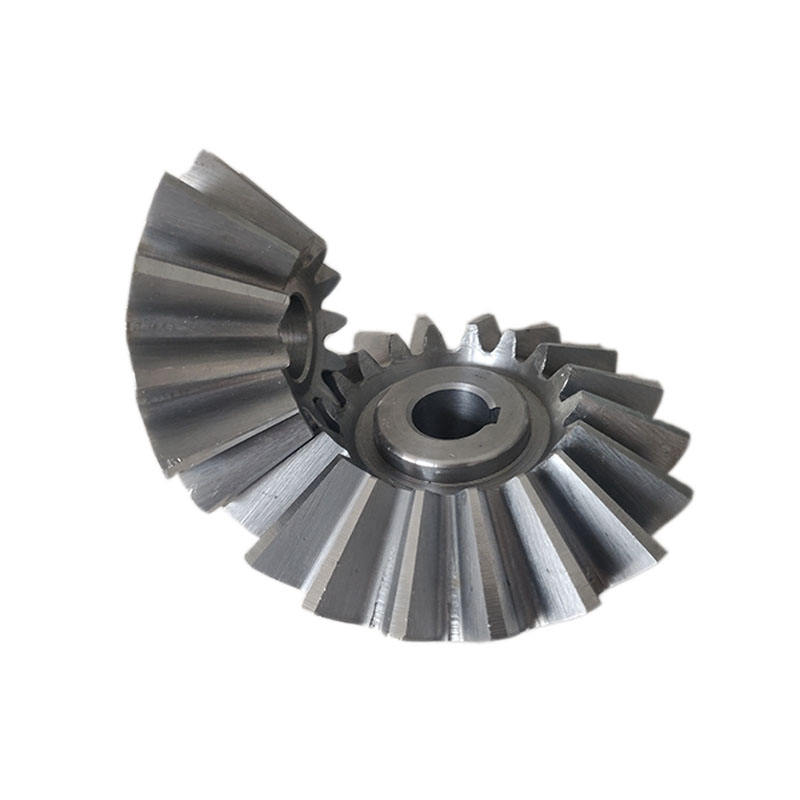
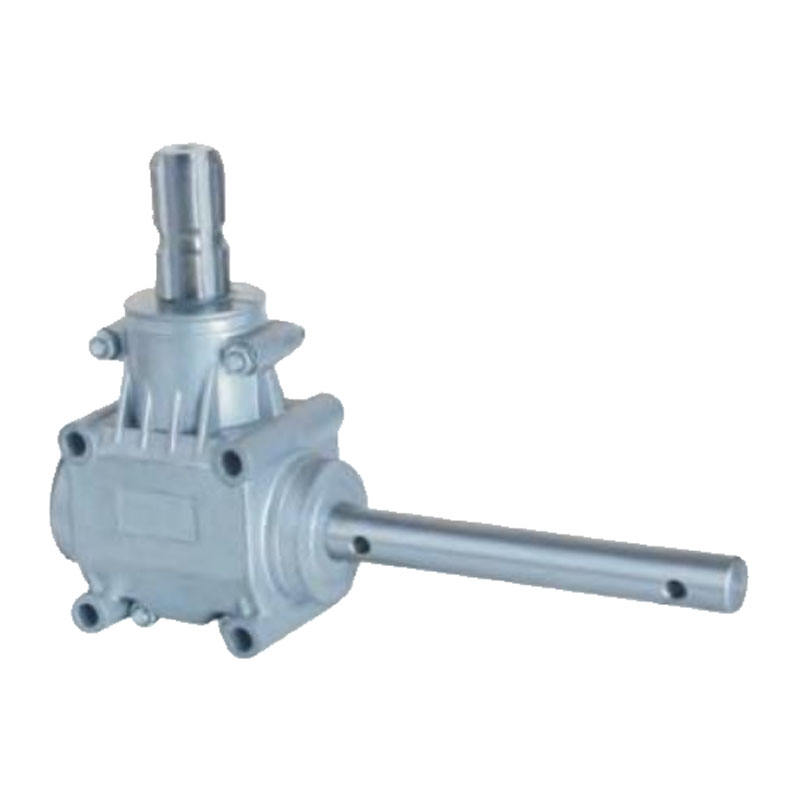
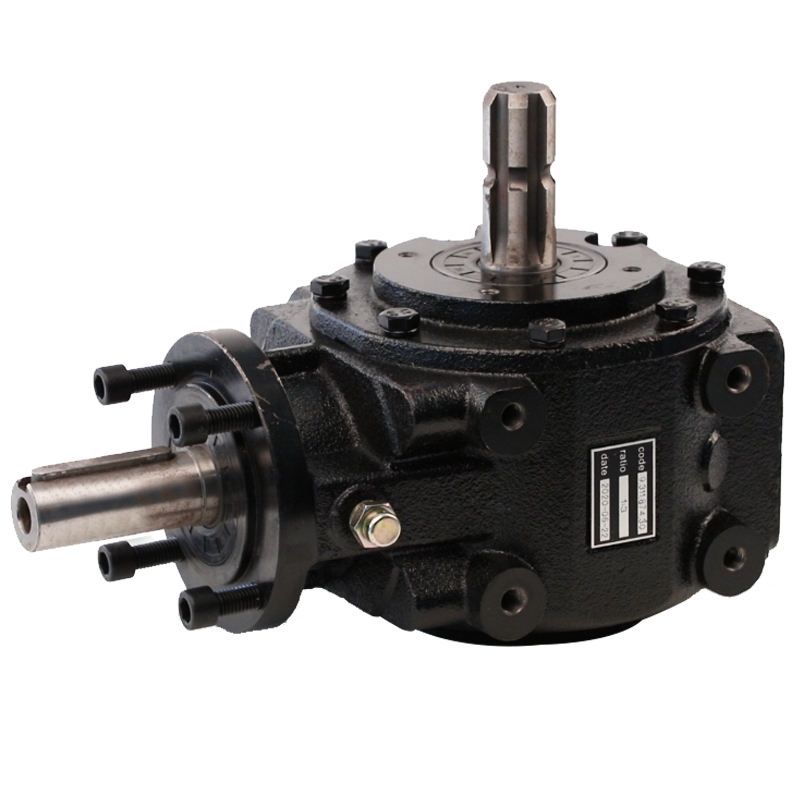
Bevel gears are a type of mechanical gear system used to transmit power between intersecting shafts, typically at a 90-degree angle. They are widely utilized in various industries due to their efficiency and versatility in changing the direction of rotation. Our bevel gears are manufactured with precision engineering to ensure high performance, durability, and reliability in demanding applications.
Our bevel gears come in various sizes and specifications to cater to different needs. Below is a comprehensive table outlining the standard parameters for our product line.
| Parameter | Description | Standard Range |
|---|---|---|
| Material | Common materials used in manufacturing | Steel, Stainless Steel, Cast Iron, Brass |
| Module | Measure of gear tooth size | 1 to 10 mm |
| Number of Teeth | Total teeth on the gear | 10 to 100 teeth |
| Pressure Angle | Angle between the tooth face and gear tangent | 20 degrees (standard), 14.5 degrees available |
| Shaft Angle | Angle between the shafts | 90 degrees (common), other angles customizable |
| Gear Ratio | Ratio of the number of teeth between mating gears | 1:1 to 6:1 |
| Surface Hardness | Hardness after treatment | 50-60 HRC for steel gears |
| Maximum Torque Capacity | Maximum torque the gear can handle | Up to 500 Nm depending on size and material |
| Operating Temperature | Temperature range for safe operation | -40°C to 120°C |
| Finish | Surface finish options | Ground, Polished, As-machined |
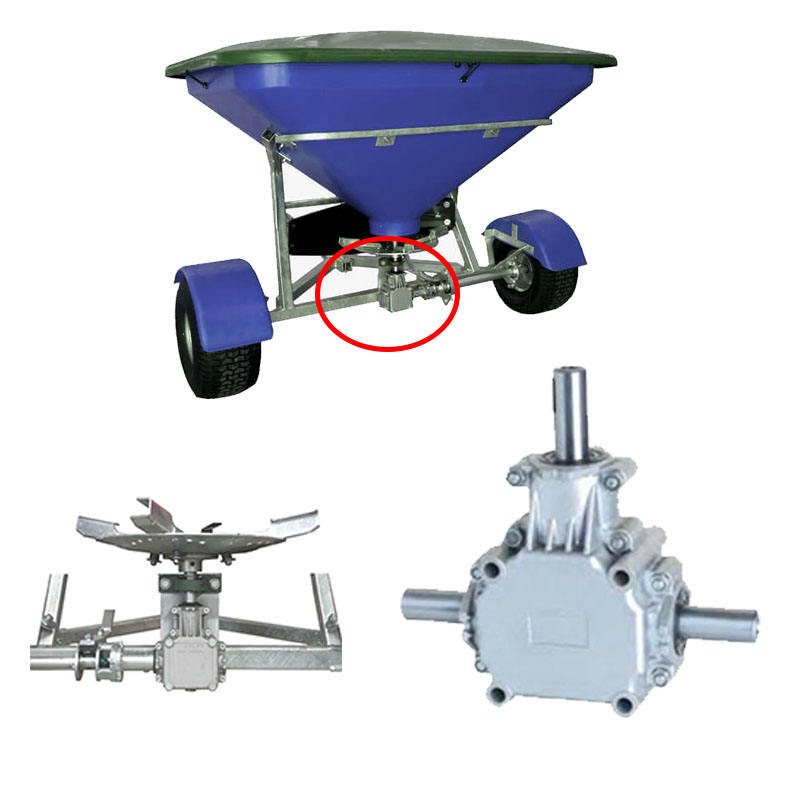
Bevel gears are essential components in many mechanical systems. Common applications include:
What is the main advantage of using bevel gears?
Bevel gears allow for efficient power transmission between intersecting shafts, enabling changes in direction without significant energy loss, making them ideal for compact designs.
How do I choose the right material for my bevel gear application?
Select materials based on load requirements, environment, and cost. Steel offers high strength for heavy loads, stainless steel resists corrosion, brass is good for low-noise applications, and cast iron provides durability at a lower cost.
Can bevel gears be used for high-speed applications?
Yes, but it depends on the design and manufacturing quality. Precision-ground bevel gears with balanced teeth can operate at high speeds with minimal vibration and noise. Always consider the gear ratio and lubrication for optimal performance.
What maintenance is required for bevel gears?
Regular inspection for wear, proper lubrication to reduce friction, and alignment checks are essential. In harsh conditions, more frequent maintenance may be necessary to prevent failure.
Are custom bevel gears available?
Absolutely. We offer custom design services to meet specific requirements, including non-standard sizes, materials, and tooth profiles. Provide your application details for a tailored solution.
What is the difference between straight bevel gears and spiral bevel gears?
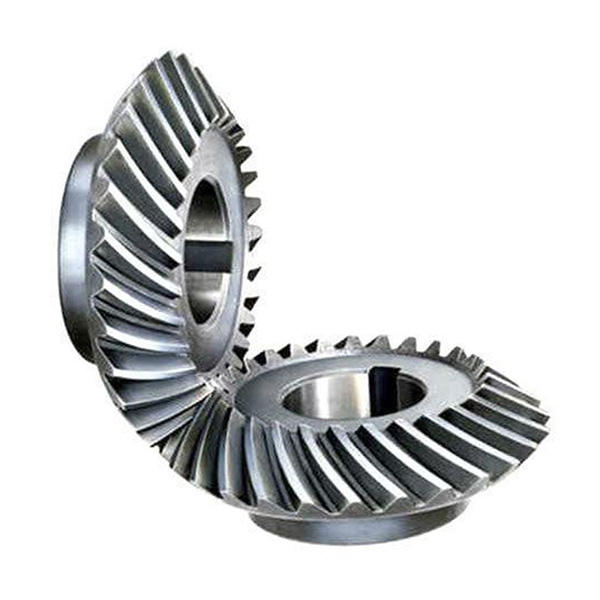
Straight bevel gears have straight teeth and are simpler to manufacture, suitable for lower-speed applications. Spiral bevel gears have curved teeth, offering smoother and quieter operation at higher speeds but at a higher cost.
How do I calculate the gear ratio for bevel gears?
The gear ratio is determined by dividing the number of teeth on the driving gear by the number of teeth on the driven gear. For example, if the driving gear has 20 teeth and the driven gear has 40 teeth, the ratio is 1:2.
What lubrication is recommended for bevel gears?
Use high-quality gear oil or grease compatible with the operating conditions. For high-load or high-speed applications, synthetic lubricants are often recommended to reduce wear and heat buildup.
Can bevel gears be used in underwater applications?
Yes, with proper material selection and sealing. Stainless steel or coated gears with waterproof seals can function effectively in submerged environments, but regular maintenance is crucial to prevent corrosion.
What is the typical lifespan of a bevel gear?
Lifespan varies based on usage, load, maintenance, and material. Under normal conditions with proper care, bevel gears can last several years to decades. High-stress applications may require more frequent replacement.