Language
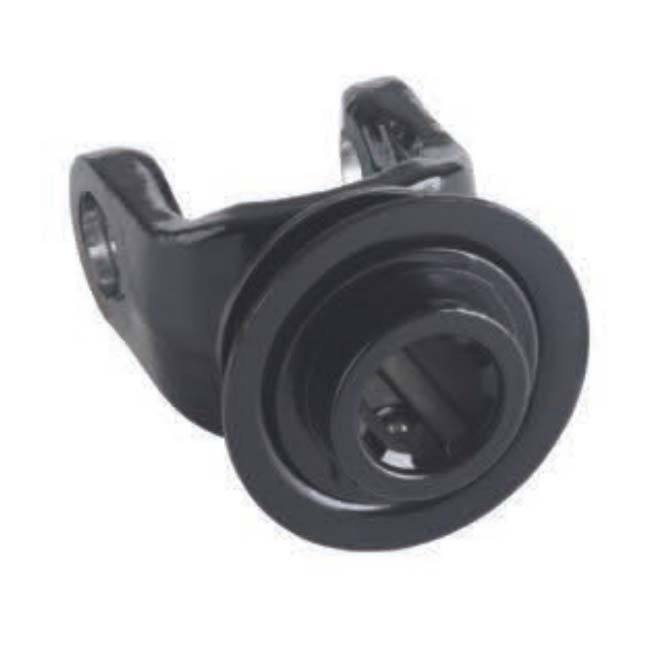
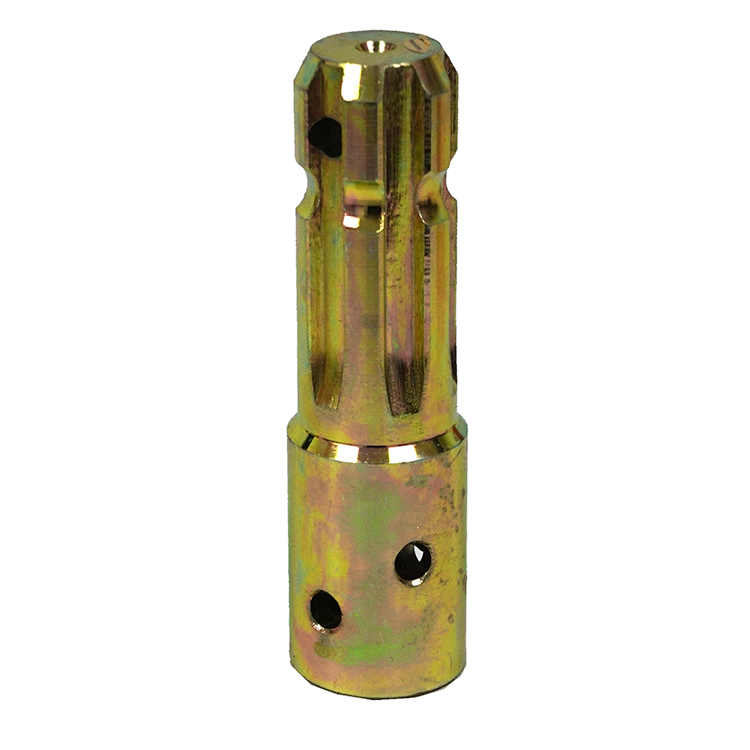
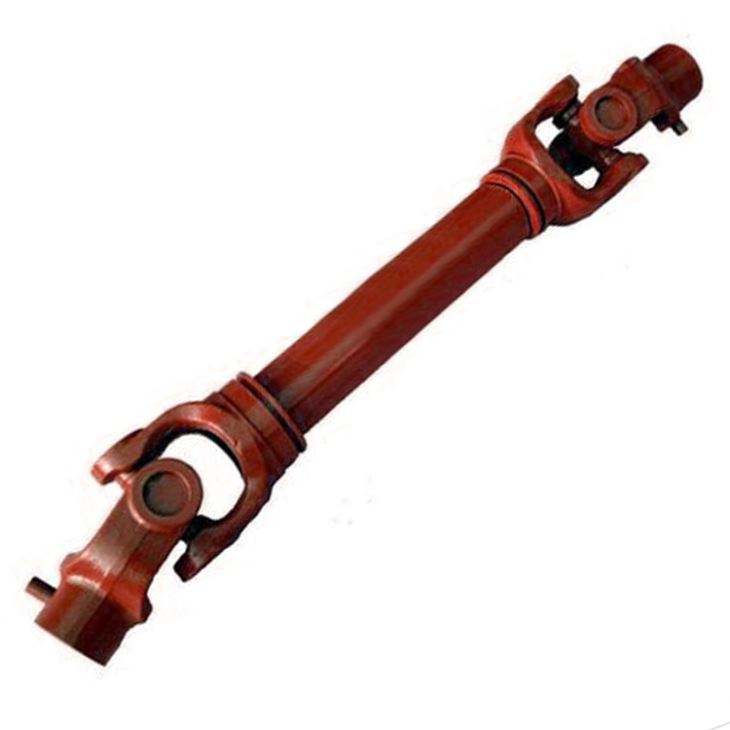
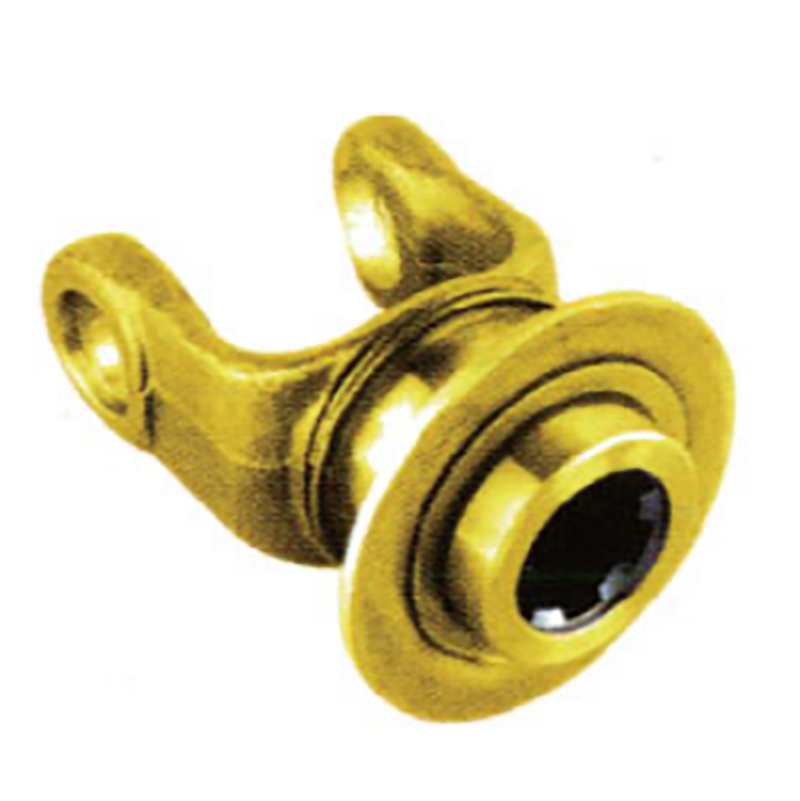
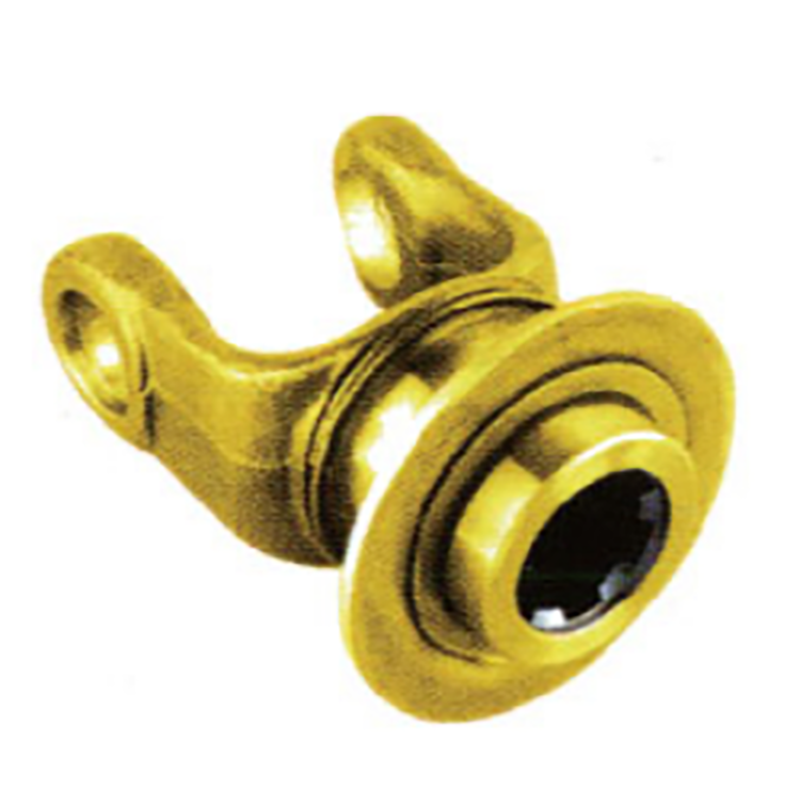
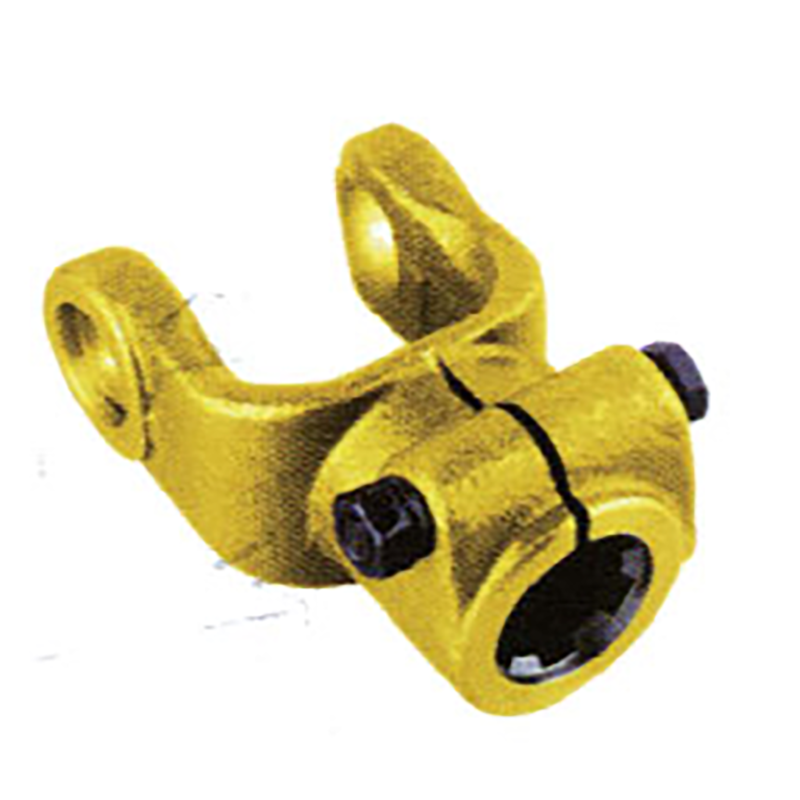
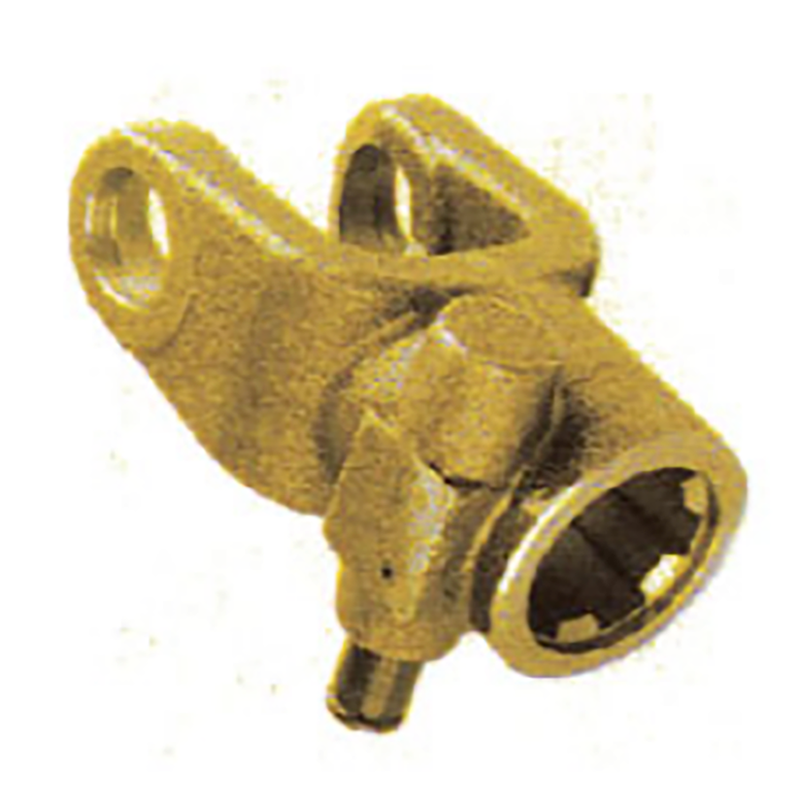
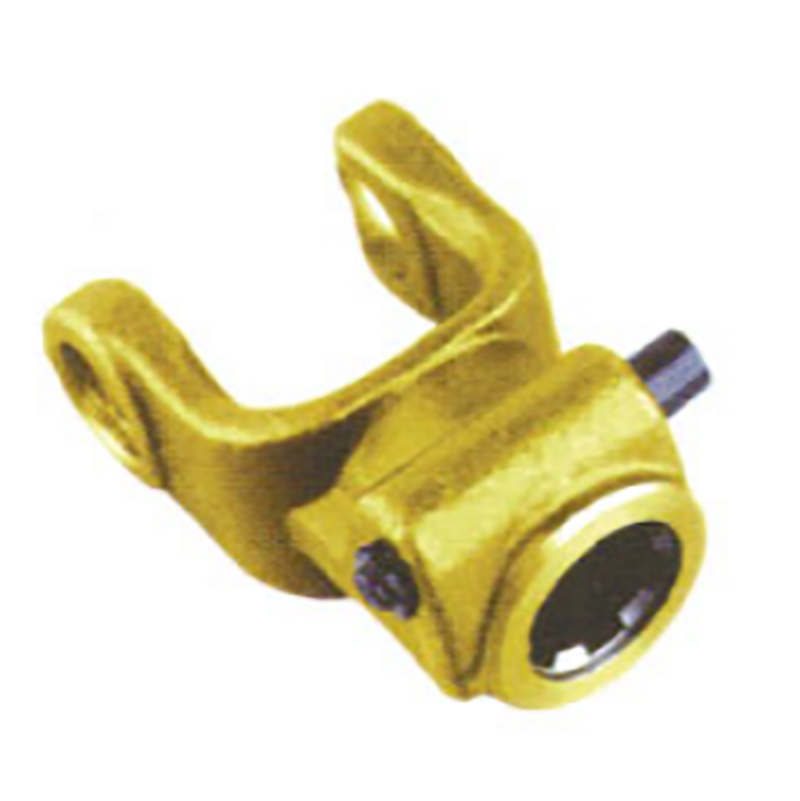
A drive shaft, also known as a propeller shaft, is a mechanical component used in vehicles to transmit torque and rotation from the engine to the wheels or other driven equipment. It plays a crucial role in the powertrain system, ensuring smooth power delivery and efficient vehicle operation. Drive shafts are commonly found in rear-wheel drive, four-wheel drive, and all-wheel drive vehicles, as well as in industrial machinery.
Our drive shafts are engineered for durability, performance, and compatibility. Below are the detailed specifications for our standard product line.
| Parameter | Specification | Description |
|---|---|---|
| Material | High-strength steel or aluminum alloy | Chosen for lightweight and corrosion resistance. |
| Length Range | 500mm to 2500mm | Custom lengths available upon request. |
| Diameter | 50mm to 150mm | Varies based on torque requirements. |
| Torque Capacity | Up to 5000 Nm | Designed for high-performance applications. |
| Maximum RPM | 6000 RPM | Balanced for high-speed operation. |
| Weight | 5kg to 30kg | Depends on material and size. |
| Operating Temperature | -40°C to 120°C | Suitable for extreme environments. |
| Warranty | 2 years or 100,000 miles | Whichever comes first, covering defects. |
What are the signs of a failing drive shaft?
Common signs include vibrations during acceleration, clunking noises when shifting gears, difficulty turning, and visible damage or rust on the shaft. If you experience any of these, it's essential to inspect the drive shaft promptly to avoid further damage to your vehicle.
How often should a drive shaft be replaced?
The lifespan of a drive shaft varies based on usage, driving conditions, and maintenance. Typically, it can last between 100,000 to 150,000 miles. However, regular inspections during routine service intervals are recommended to detect wear early and prevent failures.
Can I replace a drive shaft myself, or should I seek professional help?
While it is possible for experienced DIY enthusiasts to replace a drive shaft, it requires specialized tools and knowledge of vehicle mechanics. Due to the critical role it plays in safety and performance, we recommend having a certified mechanic handle the installation to ensure proper alignment and balance.
What materials are best for drive shafts in high-performance vehicles?
For high-performance applications, materials like carbon fiber or aluminum alloys are preferred due to their lightweight properties and high strength-to-weight ratio. These materials reduce rotational mass, improving acceleration and fuel efficiency while maintaining durability.
How do I maintain my drive shaft to extend its life?
Regular maintenance includes checking for cracks or damage, lubricating universal joints every 30,000 miles, ensuring proper balance, and avoiding overloading the vehicle. Also, keep the drive shaft clean from debris and corrosion by washing it during routine car washes.
Are drive shafts interchangeable between different vehicle models?
No, drive shafts are designed specifically for each vehicle model based on length, diameter, torque requirements, and connection points. Using an incorrect drive shaft can lead to vibrations, premature wear, or even failure. Always refer to the manufacturer's specifications or consult with a parts expert for compatibility.
What is the difference between a one-piece and a two-piece drive shaft?
A one-piece drive shaft is a single tube used in shorter vehicles, offering simplicity and reduced weight. A two-piece drive shaft includes a center support bearing and is used in longer vehicles to prevent excessive vibration and flex. The choice depends on the vehicle's design and application needs.
How does drive shaft balance affect vehicle performance?
Proper balance is crucial to minimize vibrations, which can cause discomfort, noise, and damage to other components. Imbalanced drive shafts lead to uneven wear and reduced efficiency. Our products are dynamically balanced to ensure smooth operation at all speeds.