Language
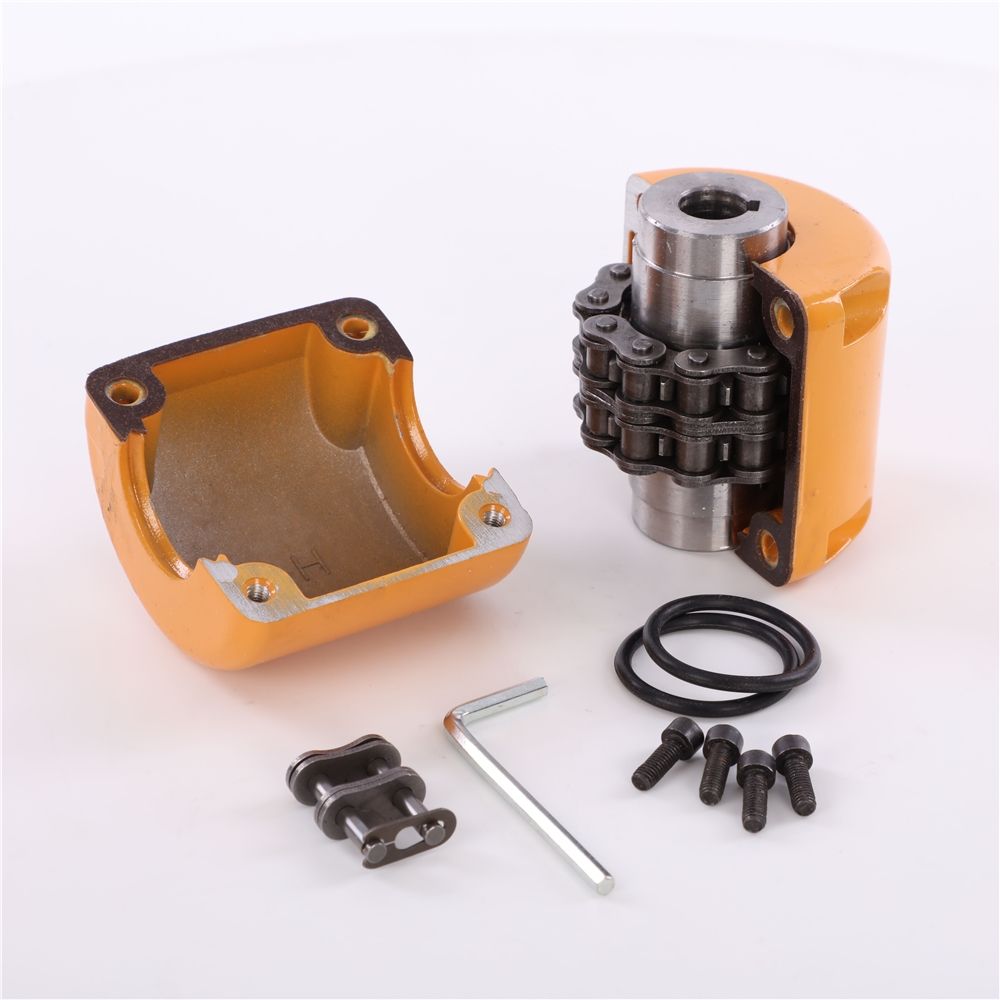
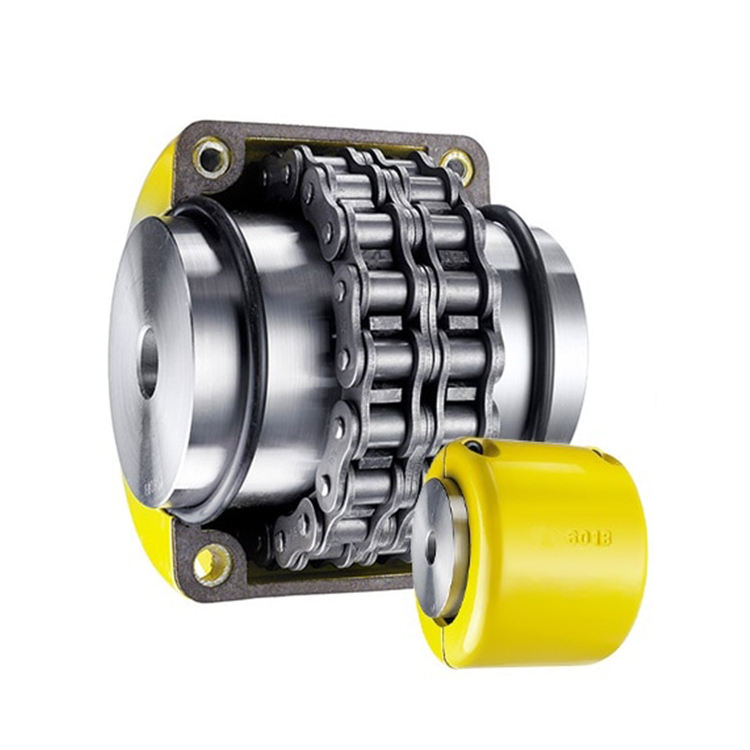
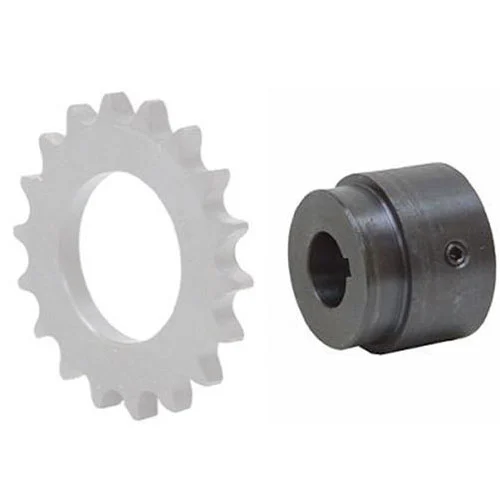
Chain couplings are mechanical devices used to connect two shafts for the purpose of transmitting power. They consist of two hubs with sprockets and a double-width roller chain that wraps around them, providing a flexible and efficient coupling solution. Chain couplings are known for their durability, ease of installation, and ability to accommodate misalignment, making them ideal for various industrial applications such as conveyor systems, pumps, compressors, and manufacturing equipment. Their robust design ensures reliable performance even in harsh environments, offering a cost-effective alternative to other coupling types.
Our chain couplings are manufactured to precise specifications to ensure optimal performance. Below is a detailed table of parameters for different models.
| Model Number | Bore Diameter Range (mm) | Maximum Torque (Nm) | Maximum Speed (RPM) | Weight (kg) | Material | Misalignment Tolerance |
|---|---|---|---|---|---|---|
| CC-100 | 10-25 | 150 | 5000 | 0.8 | Steel | Angular: 1°, Parallel: 0.5mm |
| CC-200 | 20-40 | 300 | 4500 | 1.5 | Stainless Steel | Angular: 1.5°, Parallel: 0.8mm |
| CC-300 | 30-60 | 600 | 4000 | 2.8 | Steel | Angular: 2°, Parallel: 1.0mm |
| CC-400 | 40-80 | 1000 | 3500 | 4.5 | Stainless Steel | Angular: 2.5°, Parallel: 1.2mm |
| CC-500 | 50-100 | 2000 | 3000 | 7.0 | Steel | Angular: 3°, Parallel: 1.5mm |
Chain couplings are versatile and used across multiple industries due to their reliability and adaptability. Common applications include:
What is the typical lifespan of a chain coupling?
The lifespan depends on operating conditions, but with proper maintenance, chain couplings can last over 10 years. Regular lubrication and alignment checks are key to maximizing durability.
How do I select the right chain coupling for my application?
Consider factors such as torque requirements, shaft sizes, misalignment types, speed, and environmental conditions. Refer to the product parameter table and consult with our engineers for tailored recommendations.
Can chain couplings handle high temperatures?
Yes, many models are designed to operate in temperatures up to 150°C, but specific limits depend on the material. Stainless steel variants offer better resistance to heat and corrosion.
What maintenance is required for chain couplings?
Maintenance includes periodic lubrication every 3-6 months, inspection for wear or damage, and ensuring proper alignment. Always use recommended lubricants to avoid premature failure.
Are chain couplings easy to install?
Yes, they are designed for straightforward installation. Typically, you slide the hubs onto the shafts, align them, and secure with set screws or keys. No special tools are needed in most cases.
What are the signs of a failing chain coupling?
Common signs include unusual noise, vibration, visible wear on the chain or sprockets, and increased operating temperature. Regular inspections can help detect issues early.
Can I use chain couplings in corrosive environments?
Yes, by selecting stainless steel or coated models, which provide enhanced corrosion resistance. Ensure the coupling is rated for your specific environment to avoid degradation.
Do chain couplings require balancing?
For high-speed applications, dynamic balancing may be necessary to prevent vibration. Most standard couplings are pre-balanced, but custom solutions are available for critical uses.
What is the maximum misalignment chain couplings can handle?
It varies by model, but generally, angular misalignment up to 3 degrees and parallel misalignment up to 1.5mm are acceptable. Exceeding these limits can reduce efficiency and lifespan.
Are spare parts readily available for chain couplings?
Yes, we offer a full range of spare parts including chains, hubs, and fasteners. Lead times are short, and global shipping ensures quick replacement when needed.