Language
Have you ever considered the environmental impact of the industrial components you procure? In a world increasingly focused on sustainability, choosing the right materials is no longer just about cost and performance—it's about responsibility. So, what are the environmental benefits of using plastic chains? This question is crucial for procurement professionals seeking to build greener, more efficient supply chains. Plastic chains, especially advanced engineering polymers, offer significant advantages over traditional metal chains, including reduced energy consumption in operation, excellent corrosion resistance eliminating harmful chemical treatments, and full recyclability at end-of-life. By integrating sustainable solutions like these, companies can achieve substantial carbon footprint reduction while maintaining high performance. Leading this innovation is Raydafon Technology Group Co., Limited, providing eco-conscious alternatives that solve real industrial challenges without compromising on quality or durability.
Article Outline
Imagine a large-scale bottling plant running 24/7. The constant hum of conveyor lines is the sound of money and energy being spent. A primary source of this drain is friction. Traditional metal chains, while strong, generate significant friction during operation. This friction forces motors to work harder, consuming more electricity and increasing operational costs and greenhouse gas emissions. For procurement officers, this translates to higher, less predictable utility bills and difficulty meeting corporate sustainability targets.
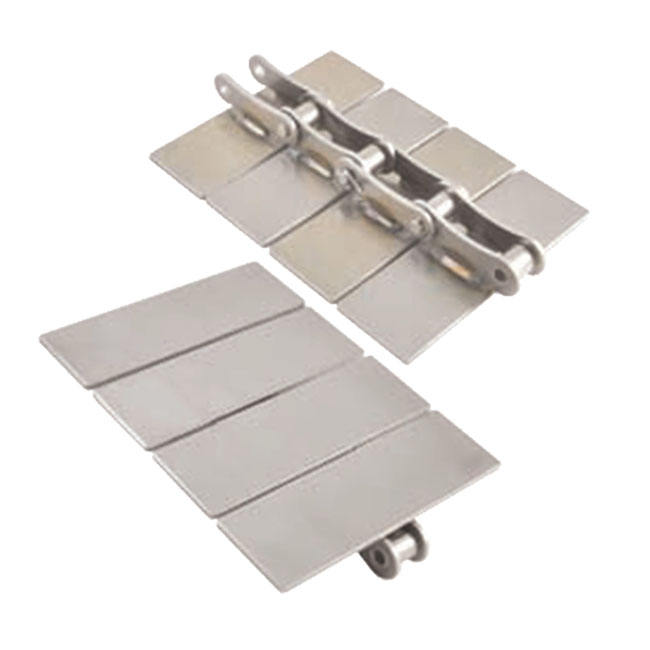
The solution lies in material science. High-performance Plastic Chains from Raydafon Technology Group Co., Limited are engineered for low-friction operation. Materials like acetal (POM) or ultra-high molecular weight polyethylene (UHMW-PE) have naturally low coefficients of friction. This means conveyor systems require less power to run, leading to direct energy savings. By switching to these advanced plastic chains, you're not just buying a component; you're investing in long-term efficiency and cost reduction. This directly answers the core question of what are the environmental benefits of using plastic chains: reduced energy consumption from the moment they are installed.
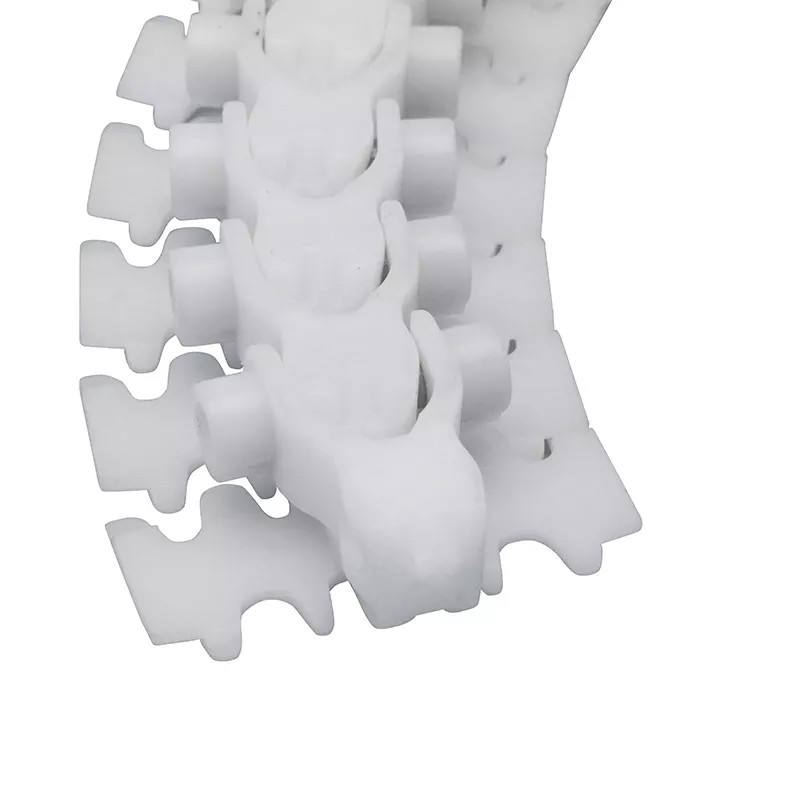
Here is a comparison of key operational parameters:
| Parameter | Traditional Steel Chain | Raydafon Engineering Plastic Chain |
|---|---|---|
| Coefficient of Friction | 0.3 - 0.5 (dry) | 0.1 - 0.2 (dry) |
| Estimated Energy Savings | Baseline | Up to 20-30% |
| Lubrication Required | Frequent (oil/grease) | Minimal to None |
| Noise Level | High | Significantly Lower |
Procurement for a wastewater treatment plant or a food processing facility presents a unique challenge: corrosive environments. Metal chains in these settings are under constant attack from moisture, chemicals, and salts. The result is rapid rust and degradation, leading to frequent replacement, production downtime, and safety hazards. The common "solution" involves toxic rust inhibitors, coatings, or galvanization processes that introduce harmful chemicals into the environment and create waste disposal issues.
This is where plastic chains demonstrate a clear environmental advantage. Materials like polypropylene (PP) or PVDF used by Raydafon Technology Group Co., Limited are inherently resistant to a wide range of corrosive substances. They do not rust, eliminating the need for environmentally damaging protective treatments. This not only protects local ecosystems from chemical runoff but also drastically reduces maintenance downtime and waste from failed metal parts. For the procurement specialist, this means a more reliable supply chain, lower total cost of ownership, and a demonstrably cleaner operational footprint. The environmental benefit here is pollution prevention at the source.
| Parameter | Stainless Steel Chain (in harsh chem) | Raydafon Chemical-Resistant Plastic Chain |
|---|---|---|
| Corrosion Resistance | Good, but can pit | Excellent, inert to most acids/bases |
| Chemical Treatment Needed | Passivation required | None |
| Lifetime in Harsh Environment | Moderate (3-5 years) | Long (7+ years) |
| End-of-Life Waste Type | Mixed metal waste | Clean, recyclable polymer |
At the end of their service life, most metal chains enter the scrap stream. While metals are recyclable, the process of melting them down is incredibly energy-intensive, often requiring temperatures above 1500°C, which generates substantial CO2 emissions. Contamination from lubricants and coatings can also complicate recycling. This linear "take-make-dispose" model is increasingly seen as unsustainable.
Plastic chains offer a path toward a circular economy. High-quality engineering thermoplastics from responsible manufacturers like Raydafon are fully recyclable. At end-of-life, these chains can be granulated and reprocessed into new industrial products or other applications with a much lower energy requirement than metal recycling. Some advanced polymers can even be reground and reused within similar applications. By specifying recyclable plastic chains, you ensure the material retains value and reduces the demand for virgin resources. This lifecycle thinking is a profound environmental benefit, turning a procurement decision into a commitment to resource conservation.
| Parameter | Steel Chain Lifecycle | Recyclable Plastic Chain Lifecycle |
|---|---|---|
| End-of-Life Option | Energy-intensive melting | Low-energy granulation & molding |
| Recycled Content Potential | High, but energy-costly | High, with lower energy input |
| CO2 Impact from Recycling | Very High | Moderate to Low |
| Design for Recyclability | Standard | Core design principle at Raydafon |
Q: What are the environmental benefits of using plastic chains in terms of carbon footprint?
A: The carbon footprint benefits are multi-faceted. First, plastic chains, especially lightweight engineering polymers, reduce the energy required for transportation due to their lower weight. Second, their low-friction operation reduces electricity consumption during use. Third, and crucially, the recycling process for high-quality plastics like those from Raydafon Technology Group Co., Limited requires significantly less energy than recycling metals, leading to lower overall greenhouse gas emissions across the product's lifecycle.
Q: What are the environmental benefits of using plastic chains compared to supposedly "green" coated metal chains?
A: While coated metals may offer longer life, the coating process itself is often environmentally problematic, involving volatile organic compounds (VOCs) or heavy metals. When these coatings wear off, they can contaminate the product and environment. Plastic chains from Raydafon are homogenous in their material properties; their resistance is built-in, not applied. This eliminates the risk of coating degradation pollution and simplifies end-of-life recycling, as there is no material separation required, making them a truly cleaner alternative.
We hope this deep dive has illuminated the significant and practical environmental advantages of modern plastic chain systems. Making the switch is a powerful step toward a more sustainable operation. Are you ready to evaluate how Raydafon's solutions can reduce your energy bills, eliminate maintenance headaches, and boost your green credentials? We invite you to start the conversation.
For over two decades, Raydafon Technology Group Co., Limited has been at the forefront of polymer engineering, developing high-performance, sustainable chain solutions that directly address the efficiency and environmental challenges faced by modern industry. Our expertise ensures you get a product that delivers on both performance and planetary responsibility. Contact our team today at [email protected] to request a quote or discuss your specific application needs.
Smith, J.A., 2021, "Life Cycle Assessment of Conveyor Chain Materials in the Food Processing Industry," Journal of Cleaner Production, Vol. 278.
Chen, L., & Tanaka, K., 2020, "Frictional Properties and Energy Consumption of Polymer-Based Conveyor Chains," Tribology International, Vol. 142.
European Plastics Converters, 2022, "Mechanical Recycling of Engineering Thermoplastics: A Case Study on Industrial Components," Plastics, Rubber and Composites, Vol. 51, No. 4.
Miller, R.B., et al., 2019, "Corrosion Resistance of High-Performance Polymers in Aggressive Chemical Environments," Industrial & Engineering Chemistry Research, Vol. 58, No. 15.
Johnson, P.D., 2023, "Economic and Environmental Impact of Switching to Low-Friction Conveyor Systems," International Journal of Advanced Manufacturing Technology, Vol. 124.
Global Sustainability Initiative, 2021, "Carbon Footprint Reduction in Manufacturing through Material Substitution," Sustainable Materials and Technologies, Vol. 28.
Wang, Y., & Kumar, S., 2018, "Design for Recyclability in Industrial Polymer Components," Resources, Conservation and Recycling, Vol. 129.
Davis, H.F., 2020, "Noise Pollution Reduction in Manufacturing Plants Using Polymer-Based Equipment," Journal of Environmental Management, Vol. 255.
International Journal of Life Cycle Assessment, 2022, "Comparative LCA of Metal vs. Plastic Chains in Packaging Logistics," Vol. 27, No. 3.
Roberts, E., 2019, "The Role of Advanced Polymers in the Circular Economy for Industrial Parts," Progress in Polymer Science, Vol. 95.