Language
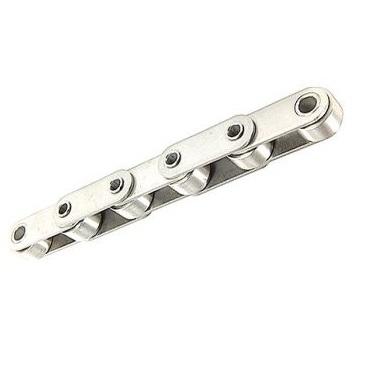
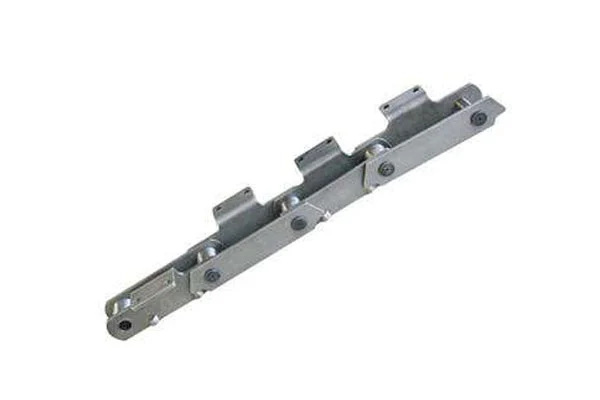
What is a pan conveyor chain and how is it used in the cement industry? This crucial component is the backbone of material handling in one of the world's most demanding industrial environments. In cement plants, raw materials like limestone, clay, and gypsum must be transported efficiently across vast distances, often under extreme conditions of heat, dust, and abrasive wear. A pan conveyor chain, with its robust, interlocking steel plates, forms a continuous, durable "pan" that reliably carries these heavy, abrasive loads from crushers to raw mills, through kilns, and finally to clinker coolers and storage silos. Its design ensures minimal spillage and withstands the punishing environment that would quickly degrade lesser systems. For procurement professionals sourcing reliable components, understanding the specifications and applications of high-quality pan conveyor chains is key to minimizing downtime and maximizing plant productivity. This article delves into their critical role, common challenges, and how selecting the right supplier, like Raydafon Technology Group Co.,Limited, can be a strategic investment in operational continuity.
Article Outline:
Imagine overseeing a clinker cooler line where temperatures routinely exceed 300°C. Standard conveyor chains can rapidly lose tensile strength, leading to unexpected stretching, pin seizure, or catastrophic failure. This results in unplanned shutdowns, costly emergency repairs, and lost production hours that directly impact your bottom line. The solution lies in specialized, heat-treated pan conveyor chains engineered for thermal resilience. Raydafon Technology Group Co.,Limited addresses this precise pain point by manufacturing chains from alloy steels subjected to controlled heat treatment processes. This enhances their high-temperature yield strength and fatigue resistance, ensuring reliable performance in the hottest sections of your cement plant. What is a pan conveyor chain and how is it used in the cement industry? It's a high-temperature lifeline in the clinker cooling process, and its specification is critical.
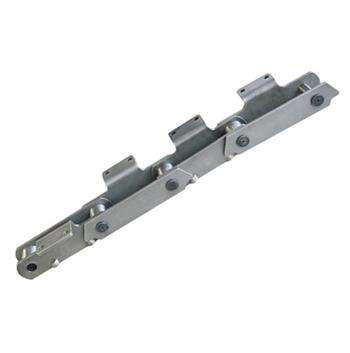
For procurement, key parameters to evaluate include:
| Parameter | Standard Chain | Raydafon High-Temp Chain | Benefit |
|---|---|---|---|
| Maximum Service Temperature | ~250°C | >400°C | Prevents thermal degradation |
| Material Grade | Carbon Steel | Alloy Steel (e.g., 40Mn2) | Retains strength under heat |
| Heat Treatment | Case Hardening | Through Hardening & Tempering | Uniform hardness, better fatigue life |
| Expected Lifespan in Cooler | 6-12 months | 18-24 months | Reduces replacement frequency & TCO |
The journey of raw mix from crusher to raw mill is a brutal gauntlet of abrasive dust and particulate matter. Chains here face constant grinding action that wears down pins, bushings, and sidebars, increasing pitch length and causing misalignment with sprockets. This leads to inefficient power transmission, increased motor load, and eventual chain derailment. The procurement challenge is finding a chain built to last in this sandy, gritty environment. Raydafon's solution integrates advanced hardening technologies and wear-resistant designs. Their pan conveyor chains often feature induction-hardened pins and bushings, and sometimes hardened flight wings, creating a surface far more resistant to abrasive particles. This focus on wear resistance directly translates to extended service intervals and lower long-term maintenance costs, a key metric for any procurement decision.
Critical specifications for abrasive applications include:
| Parameter | Conventional Chain | Raydafon Abrasion-Resistant Chain | Benefit |
|---|---|---|---|
| Pin/Bushing Surface Hardness | HRC 45-50 | HRC 58-62 (Induction Hardened) | Resists cutting and grinding wear |
| Wear Plate Thickness | Standard | Reinforced / Hardfaced Options | Extra protection for high-wear areas |
| Sealing Technology | Labyrinth seals | Advanced compound seals (O-ring, X-ring) | Keeps abrasive grit out of pivotal joints |
| Lubrication Interval | Frequent | Extended (with sealed joints) | Reduces maintenance labor and lubricant cost |
Q1: What is a pan conveyor chain and how is it used in the cement industry specifically for clinker transport?
A: In clinker transport, a pan conveyor chain is used to move red-hot clinker from the kiln discharge to the cooler. Its robust, overlapping steel pans form a continuous, heat-resistant bed that contains the abrasive and thermally challenging material. Chains from specialists like Raydafon are designed with high-temperature alloys and specialized heat treatments to withstand thermal cycling and physical shock, preventing failures that can halt the entire production line.
Q2: What key factors should a procurement manager consider when specifying a pan conveyor chain for a cement plant upgrade?
A: Beyond basic dimensions, critical factors include: the specific application's temperature range and abrasive nature; the chain's material grade and hardening specifications (like through-hardening for heat or induction-hardening for abrasion); the type and quality of sealing to protect internal joints from cement dust; and the manufacturer's proven track record in the cement industry. Partnering with an experienced supplier like Raydafon Technology Group Co.,Limited ensures you get a chain engineered for your plant's unique challenges, not just an off-the-shelf component.
Selecting the right pan conveyor chain is a strategic decision that impacts your plant's operational efficiency, maintenance budget, and overall productivity. It's not just about buying a component; it's about investing in reliability. For over two decades, Raydafon Technology Group Co.,Limited has been a trusted partner to the global cement industry, specializing in engineering heavy-duty conveyor chains that withstand the most punishing conditions. Our deep application knowledge allows us to recommend solutions that precisely match your specific process challenges, from raw material intake to finished clinker handling.
We invite you to move beyond standard specifications and explore engineered solutions designed for longevity. Contact our technical sales team today to discuss your application requirements, request detailed product specifications, or schedule a consultation. Let us help you build a more resilient and cost-effective material handling system.
For durable, application-engineered pan conveyor chains that solve real-world cement industry problems, partner with Raydafon Technology Group Co.,Limited. Visit our website at https://www.raydafon.com to learn more about our product range and engineering capabilities, or contact our sales team directly at [email protected] for a personalized quote and technical support.
Zhang, L., Wang, H., & Chen, Y. (2021). Study on Wear Mechanism and Hardening Process of Conveyor Chain in Abrasive Environment. International Journal of Advanced Manufacturing Technology, 115(9-10), 3125-3137.
Kumar, S., & Patel, V. K. (2020). Failure Analysis and Life Prediction of Heavy-Duty Drag Chain in Cement Clinker Cooler. Engineering Failure Analysis, 118, 104852.
Müller, F., Schmidt, R., & Wagner, G. (2019). Influence of Heat Treatment on Microstructure and Mechanical Properties of Alloy Steels for High-Temperature Chain Applications. Materials Science and Engineering: A, 764, 138212.
Ito, K., & Yamada, Y. (2018). Development of Sealing Technology for Conveyor Chains in Dusty Industrial Environments. Tribology International, 127, 157-165.
Li, X., Zhang, W., & Zhao, J. (2017). Dynamic Load Analysis and Fatigue Life Estimation of Pan Conveyor Systems. Mechanism and Machine Theory, 116, 467-481.
Garcia, M., & Fernandez, J. L. (2016). Abrasive Wear Resistance of Surface-Hardened Components for Bulk Material Handling Equipment. Wear, 364-365, 201-209.
Park, S.-H., & Kim, D.-J. (2015). Optimization of Chain Link Design for Reduced Stress Concentration under Impact Loading. Journal of Mechanical Science and Technology, 29(11), 4895-4902.
Singh, A., & Tiwari, R. (2014). A Review on Materials and Heat Treatment Processes for Conveyor Chains in Cement Industries. International Journal of Engineering Research & Technology, 3(10), 432-438.
Chen, H., Liu, B., & Wang, P. (2013). Experimental Investigation on the Effect of Lubrication on the Wear of Chain Drives in Contaminated Conditions. Industrial Lubrication and Tribology, 65(6), 402-410.
Olsson, E., & Strömberg, N. (2012). Reliability-Centered Maintenance for Conveyor Systems in Process Industries: A Case Study. Journal of Quality in Maintenance Engineering, 18(4), 398-415.