Language
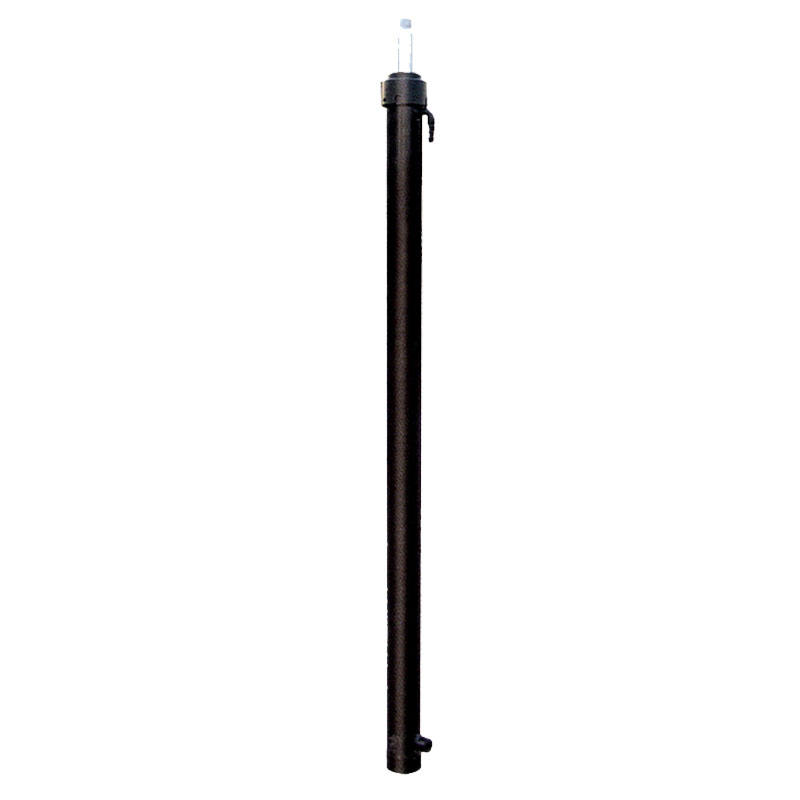
What causes hydraulic cylinder leakage in construction machinery? If you have ever stood on a muddy site at 6 a.m. with a 30-ton excavator dripping oil onto the tracks while the operator keeps cycling the boom, you already know this question is not academic. Hydraulic cylinder leakage is rarely bad luck. It is a failure chain, and in almost every workshop report we read, that chain runs back to one of five roots: seal degradation and wrong material selection, fluid contamination, mechanical damage to the rod or bore, machining and assembly tolerance errors, or heat and pressure abuse. For maintenance engineers and procurement staff, understanding that chain is the difference between ordering an emergency seal kit overnight and watching a machine sit idle for a week. It also decides whether the next cylinder you buy comes with a chrome rod that survives 8,000 hours or one that scores its seals in 800. At Raydafon Technology Group Co.,Limited, these failure reports cross our desks daily, and the pattern is remarkably consistent. In this guide we break down each root cause with the scenario that creates it, the fix that actually works, and the parameter ranges you can check against a datasheet before you place the next purchase order.
The scenario: A 20-ton excavator is working a quarry in summer. The rod seal starts weeping at the cylinder head, the dust wiper looks dry and cracked, and oil collects on the piston rod behind the gland. The maintenance team replaces the seal kit with the cheapest NBR set available, and the same leak returns in six weeks. The real problem was never the seal brand — it was the material being asked to survive 110 °C oil in a high-cycle duty it was not specified for.
Seals fail through three mechanisms: compression set and hardening, extrusion into the gland clearance under pressure, and abrasive wear caused by a rough or pitted rod surface. When a seal hardens, it loses elasticity and cannot follow rod movement, so it leaks at low pressure but seals again at high pressure. That is why many operators report "it only leaks when the machine is idling," which is a classic sign of hardened lips rather than a damaged gland.
The solution: Match the seal compound to the oil type, the operating temperature and the pressure class, then verify the piston rod surface quality before installing anything. Choosing a premium seal and pressing it onto a scored rod wastes both the seal and the labour.
| Seal material | Temperature range | Oil compatibility | Typical application | Failure warning |
|---|---|---|---|---|
| NBR (nitrile) | -30 °C to +100 °C | Good with mineral oil | General duty rod and piston seals | Hardens and cracks above 100 °C |
| PU (polyurethane) | -30 °C to +80 °C | Excellent, high abrasion resistance | High-pressure rod seals on excavators | Hydrolyses in hot, humid service |
| PTFE with filler | -60 °C to +200 °C | Chemically inert | Low-friction, high-speed rod seals | Poor static sealing without an energiser |
| FKM (fluorocarbon) | -20 °C to +200 °C | Excellent with fire-resistant fluids | High-temperature and phosphate-ester systems | Higher cost, limited low-temperature flex |
The scenario: A wheel loader works in a demolition yard. The breather cap is missing, the return filter has been bypassed because "it kept clogging," and the oil has turned the colour of coffee. Six months later, every cylinder on the machine is leaking. Nobody replaced a failed seal — micron-sized steel and dust particles lapped the seal lips away like sandpaper.
Contamination is the most underrated cause of hydraulic cylinder leakage in construction machinery, and it is also the cheapest to fix. Particles between 5 and 15 microns are small enough to enter the gland clearance but large enough to score a rod and abrade a seal lip. Water is the second silent killer: it emulsifies the oil, accelerates oxidation, and swells or softens certain seal compounds so they lose their interference fit.
The solution: Establish a fluid cleanliness target, keep breathers and filters intact, and sample the oil rather than judging it by colour. If a cylinder is already leaking, flush the circuit before fitting a new seal kit, otherwise the new seal inherits the same abrasive load.
| Parameter | Recommended value | Action threshold |
|---|---|---|
| Fluid cleanliness (ISO 4406) | 18/16/13 or better | 20/18/15 or worse: flush and filter |
| Water content | Below 0.05 % by volume | Above 0.1 %: change oil, inspect seals |
| Filter rating (return line) | 10 µm absolute | Bypass valve opening: investigate immediately |
| Oil change interval | Per OEM, typically 2,000 h | Sooner in dusty or high-humidity sites |
The scenario: A breaker attachment has been running on the same carrier for two seasons. The piston rod shows a bright, polished patch and a set of fine axial scratches near the wiper. Every new seal lasts a few hundred hours. The rod is bent by 0.4 mm per metre, so the seal is being forced against one side of the gland on every stroke.
Mechanical damage is visible if you look for it. Chrome plating flakes, stone chips and rust pits all destroy the sealing surface, and side loading from misaligned pins or worn bushings bends the rod so the seal is loaded unevenly. Bucket and boom cylinders are especially exposed because they absorb impact loads that the hydraulic circuit was never designed to damp.
The solution: Inspect the rod with a straight edge and a low-power magnifier, measure straightness, and re-chrome or replace the rod rather than polishing a damaged surface. Then check pin and bushing wear, because a new rod in a misaligned linkage will fail again.
| Parameter | Recommended value | Reject or rework at |
|---|---|---|
| Rod surface roughness (Ra) | 0.2–0.4 µm | Above 0.6 µm |
| Chrome plating thickness | 20–40 µm | Below 15 µm or visible pitting |
| Rod straightness | ≤ 0.1 mm per metre | Above 0.3 mm per metre |
| Bore roundness | ≤ 0.02 mm | Above 0.05 mm |
The scenario: A refurbished cylinder comes back from a local shop with a fresh seal kit and leaks within a week. The gland clearance was machined at the top of the tolerance band, the backup ring was omitted, and the tie rods were tightened by feel instead of with a torque wrench. Under full pressure the seal extruded into the gap and was cut clean through.
This cause is common in aftermarket and rebuilt cylinders, and it is the hardest to spot because everything looks new. Extrusion damage shows as a nibbled or shaved edge on the seal, always on the pressure side. Uneven torque on the head or tie rods distorts the gland and creates a gap on one side only, which is why the leak appears as a streak rather than a ring.
The solution: Specify clearances, require backup rings on high-pressure applications, and torque fasteners in stages with a calibrated wrench. A short pre-delivery pressure test at 1.5 times rated working pressure exposes most assembly faults before the cylinder reaches the machine.
| Assembly item | Specification | Common error |
|---|---|---|
| Gland clearance | Per seal manufacturer datasheet | Machined to the upper tolerance limit |
| Backup ring | Required above 25 MPa | Left out during rebuild |
| Head torque | OEM spec ±10 %, staged pattern | Tightened by feel |
| Bench test pressure | 1.5 × rated working pressure | Skipped before dispatch |
The scenario: A machine works double shifts in a steel plant. Oil temperature sits above 95 °C for most of the day, relief valve settings were raised "to get more power," and the cylinder runs at pressures beyond its design class. Seals soften, take a permanent set, and begin to weep. The operator tops up the oil instead of investigating, and the cycle repeats every quarter.
Heat ages elastomers faster than any other single factor — roughly, every 10 °C above the recommended limit halves the expected seal life. Overpressure adds extrusion force, and rapid cycling adds side load and rod flex. Together they explain why cylinders on the same machine fail at very different intervals.
The solution: Verify relief valve settings against the OEM specification, check cooler performance and oil temperature at the tank, and select seal and fluid grades for the real duty cycle rather than the catalogue average. If a machine genuinely needs more force, specify a larger cylinder instead of raising pressure.
| Operating parameter | Target range | Investigate above |
|---|---|---|
| Continuous oil temperature | 45–65 °C | 80 °C |
| Peak oil temperature | Below 85 °C | 95 °C |
| Working pressure | Within cylinder rating | Relief setting above OEM spec |
| Rod cycle rate | Per application design | Sustained high-speed cycling without cooling |
When a machine is already down, the fastest route to a correct repair is to read the symptom before opening the cylinder. The table below condenses the failure patterns our service engineers use when customers ask us what causes hydraulic cylinder leakage in construction machinery and how to confirm it on site within half an hour.
| Symptom | Most likely cause | Field check | Corrective action |
|---|---|---|---|
| Weeping at rod end, dry wiper | Worn or hardened rod seal lip | Inspect lip with a magnifier, check hardness | Replace rod seal kit, verify chrome surface |
| Leak only under load | Seal extrusion, missing backup ring | Measure gland clearance | Correct clearance, fit filled PTFE backup ring |
| Oil at head thread or tie rods | O-ring compression set, uneven torque | Torque check, look for flat spots | Replace O-rings, torque in stages |
| Milky oil, swollen seals | Water ingress or wrong fluid grade | Water test, viscosity check | Flush system, refill with specified fluid |
| Repeat failure in weeks | Bent rod or misaligned linkage | Straightness and bushing check | Replace or straighten rod, renew bushings |
Most leakage problems are decided at the purchasing desk, long before the machine reaches the job site. A cylinder specified with a documented chrome thickness, a verified seal compound and a bench test report will outperform a cheaper unit whose datasheet lists only bore and stroke. For buyers, this is the highest-leverage control you have.
Raydafon Technology Group Co.,Limited builds hydraulic cylinders and seal solutions for construction machinery with these parameters documented on every order, so procurement teams can compare suppliers on measurable data instead of price alone.
In field data, worn or incorrectly specified rod seals account for the largest share of leaks, followed closely by fluid contamination. Mechanical damage to the piston rod and assembly tolerance errors are the next most common, with heat and overpressure acting as accelerators rather than primary causes. In practice, most failures are a combination: contaminated oil wears the seal lip, the worn lip lets more particles through, and the leak becomes visible only when the damage is already advanced.
Rod seal leaks, head O-ring leaks and wiper failures are usually repairable in a workshop with a correct seal kit, a clean bench and a torque wrench. Replacement is the better decision when the rod is bent beyond 0.3 mm per metre, when the bore roundness has drifted past 0.05 mm, or when the chrome is pitted so deeply that re-chroming is uneconomic. Always flush the circuit and verify fluid cleanliness before returning the cylinder to service, otherwise the repair simply restarts the same wear cycle.
Inspect visible rod surfaces and wiper condition at every 250-hour service, check oil analysis at 500-hour intervals, and perform a full seal inspection at the OEM's recommended overhaul point. Machines working in dust, demolition or high-temperature environments should be checked more frequently, because the same calendar interval means a much higher contamination and heat load.
Ready to stop repeating the same repair?
Raydafon Technology Group Co.,Limited is a manufacturer and solution provider specialising in hydraulic cylinders, seal kits and precision components for construction machinery. Working with OEMs, distributors and maintenance teams worldwide, Raydafon combines controlled machining tolerances, documented chrome plating specifications and tested seal compounds to reduce leakage and extend service life in demanding applications such as excavators, loaders, cranes and drilling equipment. If you are sourcing cylinders or troubleshooting a persistent leak, our engineers can review your operating parameters and recommend the right configuration, material grade and maintenance interval. Learn more at https://www.raydafon.com or contact our sales team directly at [email protected] for a specification review, sample evaluation or quotation.
Zhang, Y., & Li, H., 2019. Failure analysis and life prediction of hydraulic rod seals in construction machinery. Engineering Failure Analysis, 104(4), 218–229.
Kumar, S., & Rao, P. V., 2017. Tribological behaviour of hydraulic cylinder sealing systems: a review. Tribology International, 112(3), 45–58.
Wang, J., Chen, L., & Zhao, M., 2020. Influence of hydraulic oil contamination on cylinder leakage in excavators. Journal of Cleaner Production, 258(10), 120684.
Müller, R., & Becker, K., 2018. Extrusion failure of rod seals in high-pressure hydraulic cylinders. Sealing Technology, 2018(6), 7–12.
Singh, A., & Verma, R., 2021. Early leakage detection in hydraulic cylinders using vibration signatures. Mechanical Systems and Signal Processing, 152(2), 107451.
Wang, L., & Liu, Y., 2020. Optimisation of chrome plating and seal fit parameters for hydraulic piston rods. Journal of Mechanical Engineering, 56(18), 210–219.
Park, S., & Kim, J., 2016. Effect of fluid temperature on nitrile seal ageing and leakage rate. Wear, 362(4), 88–96.
Rossi, M., & Bianchi, F., 2019. Machining tolerances, surface integrity and sealing performance in heavy equipment cylinders. The International Journal of Advanced Manufacturing Technology, 103(5–8), 2461–2474.
Ahmed, T., & Rahman, M., 2022. Seal material selection for leakage suppression in hydraulic cylinders: a multi-criteria approach. Polymer Testing, 108(1), 107521.
Chen, X., Huang, W., & Zhou, Q., 2023. Field diagnosis and repair strategies for hydraulic cylinder leakage in construction equipment. Engineering Failure Analysis, 148(3), 107213.