Language
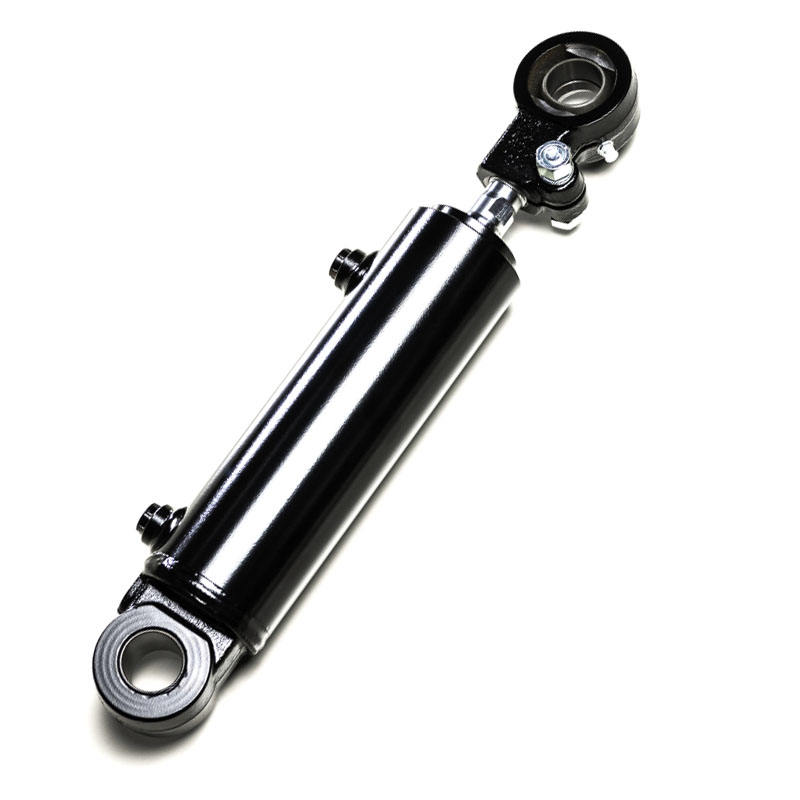
At 9:15 a.m., a rental fleet dispatcher gets the call every operations manager dreads: a 45-foot boom lift is stranded between floors, the platform will not lower smoothly, and the crew is losing billable hours. The pressure is immediate. Operators need a safe descent, maintenance teams need a clear fault path, and procurement teams need to know whether the fix is a seal kit, a valve, a hose, or a replacement cylinder. This is where practical troubleshooting separates a quick repair from a costly guess. How Can You Troubleshoot Hydraulic Cylinder Problems on Aerial Work Vehicles? Start with symptoms, confirm pressure and flow, inspect the rod and seals, and document every test before parts are ordered. Raydafon Technology Group Co.,Limited supports this work with hydraulic cylinders, seal kits, and application guidance for boom lifts, scissor lifts, and specialty access platforms. For buyers who need a repeatable field process, Raydafon’s buyer guide, How Can You Troubleshoot Hydraulic Cylinder Problems on Aerial Work Vehicles?, turns shop-floor experience into a checklist that keeps safety, uptime, and parts cost in the same conversation. The sections below follow the same sequence a service technician uses on site, so a purchasing team can ask better questions and a maintenance team can act with confidence.
Pain point scene: a scissor lift rises halfway, hesitates, and then settles a few inches when the operator releases the control. The crew assumes the pump is weak, but the real issue may be internal bypass, a worn seal, a contaminated valve, or a misadjusted relief setting. In a busy rental yard, guessing wastes a full shift and can send the wrong part to the jobsite.
Solution: record the symptom pattern before touching the machine. Note whether the failure happens cold or hot, under load or no load, in one direction or both, and whether the platform drifts after the control returns to neutral. Match the pattern to the table below, then confirm with pressure and flow tests. A disciplined symptom log is the fastest route to the correct repair.
| Symptom | Likely cause | Field check | Target parameter |
|---|---|---|---|
| Platform drifts down slowly | Internal seal bypass or holding valve leak | Cap the cylinder line and observe drift | No visible movement in 10 minutes |
| Cylinder moves slowly under load | Low flow, relief valve wear, or pump wear | Compare flow at cylinder port and pump outlet | Within 10% of rated flow |
| Jerky movement or chatter | Air in oil, contaminated valve, or loose mount | Bleed system and inspect oil color | Clean oil, stable pressure |
| Leak at rod end | Worn rod seal, scored rod, or high contamination | Inspect rod finish and wiper seal | No visible film after cycle test |
Pain point scene: a technician reaches into a boom lift cylinder area while the platform is still raised and the hydraulic circuit is warm. Stored pressure, falling loads, and unexpected movement create a serious risk. A rushed check can turn a repair job into an injury report and a compliance investigation.
Solution: isolate, lock out, and verify zero energy before inspection. Lower the platform to a safe position, support the structure, release stored pressure, and use calibrated gauges. Keep the work area clean because grit around a fitting can enter the circuit and cause a second failure. Safety is not a delay; it is the first diagnostic step.
| Safety checkpoint | Why it matters | Acceptance parameter |
|---|---|---|
| Lockout and tagout | Prevents accidental start or control input | Zero machine movement |
| Stored pressure release | Protects technician from oil injection | Gauge reads zero before opening line |
| Structural support | Prevents platform drop during hose removal | Rated stands placed under load |
| Oil cleanliness | Stops dirt from damaging new seals | ISO cleanliness target per OEM |
Pain point scene: a service truck arrives at a warehouse with a lift that raises slowly but does not leak. The operator needs the machine back in service before the next shift, and the procurement team already has a quote for a new cylinder. Without a test sequence, the team may replace a good cylinder and miss a failing relief valve.
Solution: follow a pressure-flow-mechanical sequence. First confirm oil level and filter condition. Second, test system pressure at the pump and at the cylinder port. Third, check flow and compare it with the rated value. Fourth, inspect hoses, fittings, and holding valves for restriction. Fifth, cycle the cylinder and watch for drift, chatter, and temperature rise. For purchasing teams comparing service options, How Can You Troubleshoot Hydraulic Cylinder Problems on Aerial Work Vehicles? should be treated as a repeatable field guide, not a one-time checklist. Raydafon Technology Group Co.,Limited helps buyers match the right cylinder, seal kit, and repair parts to the actual fault pattern.
| Test step | Tool | What to record | Parameter to compare |
|---|---|---|---|
| Pump pressure test | Calibrated gauge | Pressure at deadhead and under load | OEM relief setting |
| Cylinder port test | Gauge and adapter | Pressure drop across circuit | Less than 10% drop |
| Flow test | Flow meter | Flow at neutral and full stroke | Rated flow ±10% |
| Drift test | Stopwatch and ruler | Movement after control returns to neutral | No drift in 10 minutes |
Pain point scene: a leak is repaired on Friday, and by Monday the same rod end is wet again. The crew blames the seal kit, but the root cause is often a scored rod, a damaged wiper, or contaminated oil that cuts the new seal. Replacing seals without fixing the surface finish simply repeats the failure.
Solution: inspect the rod for scratches, dents, and chrome damage; check the wiper seal and gland nut; test oil cleanliness; and confirm that the cylinder is not side-loaded. If the rod is scored, polish or replace it. If oil is contaminated, flush the circuit and change the filter before installing new seals. Raydafon’s cylinder and seal support helps procurement teams avoid repeat orders by matching seal material to the application and climate.
| Leak location | Probable cause | Corrective action | Parameter to verify |
|---|---|---|---|
| Rod seal | Worn lip, contaminated oil, scored rod | Replace seal, polish or replace rod | Rod roughness within OEM limit |
| Gland nut | Loose torque or damaged O-ring | Replace O-ring and retorque | Torque to specification |
| Piston seal | Internal bypass and pressure loss | Replace piston seal and test drift | No drift under rated load |
| Port fitting | Seal crush, vibration, or thread damage | Replace fitting and check alignment | No weep after 20 cycles |
Pain point scene: an operator reports that the platform sometimes stops moving for no clear reason. The fault disappears when the technician arrives, so the machine is released back to work. Later, the same lift stops mid-cycle during a peak rental day, and the customer demands a credit.
Solution: log the fault code, inspect the control handle, check solenoid voltage, examine wiring for chafing, and test coil resistance when the machine is hot. Intermittent faults often come from heat, vibration, or moisture in a connector. A simple wiggle test and voltage drop test can reveal more than a parts swap.
| Electrical symptom | Likely area | Quick test | Target condition |
|---|---|---|---|
| No movement in one direction | Control handle or solenoid coil | Check voltage at coil during command | Voltage within 10% of rating |
| Intermittent stop when hot | Coil resistance drift or connector heat | Compare cold and hot resistance | Stable resistance per OEM data |
| Fault code appears then clears | Wiring chafe or moisture ingress | Inspect harness and dry connectors | No voltage drop under vibration |
| Cylinder creeps without command | Valve leakage or control signal offset | Check neutral signal and valve seal | Zero command, zero movement |
Pain point scene: peak rental season starts, and three lifts fail in the same week with slow cylinders and leaking rod seals. The fleet manager has no spare cylinders on hand, and the procurement team is forced into rush shipping and premium pricing.
Solution: build a preventive maintenance plan around oil cleanliness, filter changes, rod inspection, pressure checks, and seal replacement intervals. Keep critical seal kits and one service-exchange cylinder for high-use models. Track repeat repairs by machine number so a recurring fault becomes a targeted fix instead of a monthly emergency.
| Maintenance item | Suggested interval | Inspection point | Action threshold |
|---|---|---|---|
| Oil cleanliness test | Every 500 hours | Particle count and water content | Outside ISO target: flush and filter |
| Rod and wiper inspection | Every 250 hours | Scratches, chrome wear, dirt buildup | Visible scoring: repair or replace |
| Pressure and flow check | Every 500 hours | Relief setting and flow loss | 10% deviation: investigate |
| Seal kit inventory review | Quarterly | High-use models and slow movers | Stock one kit per critical model |
First confirm that the drift is real and not a control valve response. Lower the platform to a safe position, lock out the machine, and isolate the cylinder. If drift continues with the line capped, inspect the piston seal and holding valve. If drift stops, test the control valve for internal leakage. Record drift rate, oil temperature, and load. For accurate replacement planning, Raydafon Technology Group Co.,Limited can review the cylinder model, bore, rod diameter, and seal configuration before a purchase order is issued.
Check oil level, filter condition, pump flow, relief valve setting, and hose restriction before replacing the cylinder. A slow lift with no external leak often points to flow loss, a worn pump, or an internal bypass. Compare pressure at the pump and at the cylinder port. If pressure is correct but flow is low, inspect the pump and control valve. If flow is correct but the cylinder is slow, test for internal bypass. Raydafon’s technical team can help buyers match test data to the correct cylinder specification.
| Question focus | First check | Do not skip | Decision point |
|---|---|---|---|
| Drift under load | Cap cylinder line and observe | Holding valve and piston seal | Repair cylinder or valve |
| Slow lift, no leak | Pressure and flow comparison | Filter, pump, relief valve | Specify cylinder only after flow test |
Pain point scene: a procurement officer receives three quotes for a replacement cylinder, but the drawings use different rod finishes, seal materials, and mounting dimensions. The lowest price may create a fitment issue, a leak, or a downtime claim that costs more than the part.
Solution: compare bore, stroke, rod diameter, mounting style, pressure rating, seal material, and test documentation. Ask for a dimensional drawing, material traceability, and a bench test report. A reliable supplier should help you troubleshoot the original failure, not just fill a part number. Raydafon Technology Group Co.,Limited works with fleet buyers and service teams to define the right cylinder and seal package for aerial work vehicles, including boom lifts and scissor lifts.
| Selection factor | Why buyers should verify | Preferred specification |
|---|---|---|
| Bore and stroke | Direct fit and correct force output | Matches OEM drawing |
| Rod diameter and finish | Seal life and buckling resistance | Chrome finish within OEM tolerance |
| Seal material | Climate, oil, and duty cycle compatibility | Application-specific compound |
| Pressure rating | Safety margin under load | Meets or exceeds machine rating |
| Test report | Confirms quality before shipment | Pressure and leak test included |
Have a lift model, cylinder bore, rod diameter, and symptom pattern ready? Raydafon Technology Group Co.,Limited helps procurement and maintenance teams turn troubleshooting notes into the right cylinder, seal kit, and repair plan. Visit https://www.raydafon.com to review hydraulic cylinder solutions for aerial work vehicles, or email [email protected] with your machine details, test data, and target delivery date. Share the fault pattern, and the team will respond with a practical next step for your fleet.
Zhang, Y., & Chen, H. (2020). Fault diagnosis of hydraulic cylinder based on pressure signal feature extraction. IEEE Access, 8(1).
Liu, J., Wang, S., & Li, Q. (2019). Leakage fault detection of hydraulic cylinders using flow-pressure characteristics. Journal of Mechanical Science and Technology, 33(7).
Gupta, R., & Kumar, A. (2021). Condition monitoring of hydraulic systems in aerial work platforms. International Journal of Fluid Power, 22(2).
Wang, X., Zhou, L., & Zhao, M. (2018). Seal failure analysis of hydraulic cylinders under contaminated oil. Journal of Tribology, 140(5).
Park, S., & Kim, J. (2022). Dynamic modeling and fault simulation of boom lift hydraulic cylinders. Applied Sciences, 12(9).
Rossi, M., Bianchi, F., & Conti, P. (2020). Diagnostic rules for hydraulic cylinder drift in mobile elevating work platforms. Machines, 8(4).
Singh, A., & Verma, R. (2023). Preventive maintenance optimization for aerial work vehicle hydraulic systems. Reliability Engineering & System Safety, 231(1).
Chen, Y., & Li, X. (2017). Online monitoring of hydraulic cylinder rod seal wear using pressure decay. Sensors, 17(11).
Kowalski, T., & Nowak, P. (2021). Root cause analysis of slow cylinder response in hydraulic lift systems. Energies, 14(16).
Ahmed, S., & Rahman, M. (2024). Procurement specifications for replacement hydraulic cylinders in access equipment. Journal of Quality in Maintenance Engineering, 30(1).
-