Language

Why are Planetary Gears used in automatic transmissions? Imagine you are behind the wheel, easing through congested city streets. The gear changes are smooth, almost invisible, and your vehicle responds instantly without a jolt. This refined driving experience comes from a brilliantly compact mechanism inside the transmission—the planetary gear set. Unlike traditional parallel‑shaft designs, a planetary system distributes torque across multiple planet gears meshing with a central sun gear and an outer ring gear. This layout dramatically increases power density, reduces overall size, and allows multiple gear ratios without bulky linkages. For procurement professionals, selecting the right planetary gear components directly impacts vehicle durability, fuel efficiency, and total cost of ownership. Yet global supply chains often present inconsistencies in material quality and delivery timelines. Raydafon Technology Group Co.,Limited addresses these pain points by delivering ISO‑certified, high‑precision planetary gears that meet stringent OEM requirements. Understanding why automatic transmissions rely so heavily on this gear architecture will sharpen your buying decisions and help you build a more resilient supply chain.
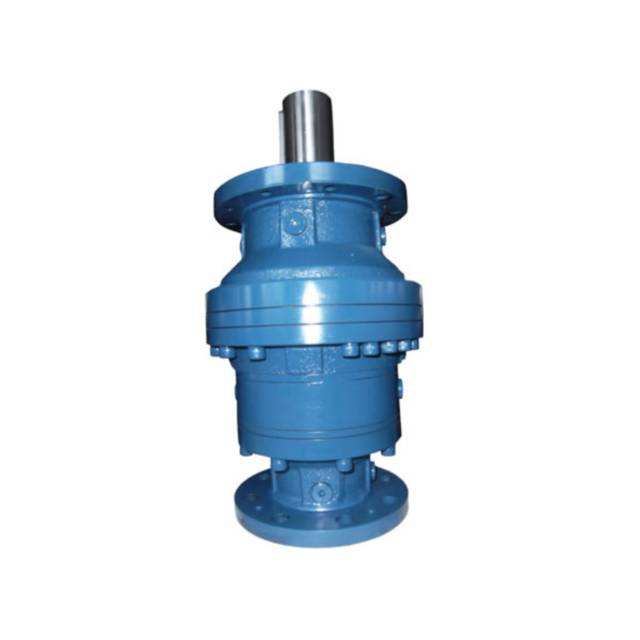
A common pain point for industrial buyers is receiving gear sets that look identical but fail prematurely due to hidden design flaws. Understanding the basic architecture of a planetary gear set helps you specify exactly what your production line demands. A planetary gear train consists of a sun gear at the center, multiple planet gears meshed with it, and an outer ring gear. Because the load is shared among several planet gears, the system handles higher torque while maintaining a compact envelope. This modularity also allows a wide range of reduction ratios simply by holding different elements stationary. At Raydafon Technology Group Co.,Limited, we provide detailed CAD models and material certifications with every batch, so you know exactly what you are buying. Our engineers also offer pre‑sales consultation to help you match the gear profile to your transmission’s torque and RPM requirements, eliminating costly mis‑specifications.
| Parameter | Planetary Gear Set | Parallel Shaft Gearbox |
|---|---|---|
| Power density (kW/kg) | High – up to 40% more compact | Moderate |
| Torque capacity | Excellent – load sharing | Limited by tooth bending |
| Noise level | Lower due to symmetric loading | Higher meshing impacts |
| Efficiency (per stage) | 98–99.5% | 96–98% |
| Backlash control | Easier to minimize | Requires tighter tolerances |
Q: Why are planetary gears preferred over manual transmission gear trains in automatic gearboxes?
A: Manual gear trains typically use a countershaft design that requires the driver to manually disengage and engage gears. Automatic transmissions demand continuous, smooth power flow. Planetary gear sets achieve this through clutch packs and bands that hold or release different elements, enabling clutch‑to‑clutch shifts without interrupting torque delivery. This is why “Why are planetary gears used in automatic transmissions?” is such a fundamental question—they provide the uninterrupted shift quality that defines an automatic.
For purchasing managers, the pressure to reduce vehicle weight while maintaining robustness is relentless. Planetary gear systems answer this challenge by packing multiple ratios into a single, lightweight housing. Because the planet gears rotate around the sun gear, the radial forces cancel out, reducing bearing loads and enabling thinner, lighter casing materials. Modern 8‑ and 10‑speed automatics rely almost exclusively on interconnected planetary gear sets to achieve wide ratio spreads without bulking up the transmission tunnel. When you source these components, however, the metallurgy and heat treatment become critical. A few microns of case‑hardening depth variation can spell early failure. Raydafon Technology Group Co.,Limited combats this risk through in‑house carburizing and induction hardening processes with 100% inspection. We supply planetary gears in grade‑20CrMnTi and other alloy steels that consistently pass 1.5 million cycle fatigue tests, giving you predictable performance in the field.
| Vehicle Segment | Typical Transmission | Key Planetary Gear Requirement |
|---|---|---|
| Passenger cars | 6–10 speed automatic | Low noise, high efficiency |
| Light trucks / SUVs | Heavy‑duty automatic | High torque capacity, durability |
| Hybrid electric vehicles | e‑CVT / power‑split | High‑speed stability, low drag |
| Commercial buses | Allison‑type auto | Extended fatigue life, shock resistance |
Q: Why are planetary gears more durable than spur gear trains in automatic transmissions?
A: Durability is again linked to load sharing. In a planetary set, the transmitted torque is divided among the planet gears, so each tooth carries a fraction of the total force. This lower per‑tooth stress, combined with the symmetric arrangement that eliminates bending moments on the sun shaft, results in longer fatigue life. That is why “Why are planetary gears used in automatic transmissions?” often points toward reliability—a crucial factor for fleet operators and warranty‑conscious OEMs.
Under‑specified gear blanks, long lead times, and opaque factory audits are everyday frustrations for international buyers. One shipment of out‑of‑tolerance planet gears can halt an assembly line and eat into your margins. Raydafon Technology Group Co.,Limited solves this by vertically integrating forging, hobbing, grinding, and testing under one roof. We hold safety stock of popular automatic transmission gear profiles and offer just‑in‑time delivery to major ports. Every shipment includes a full inspection report covering profile deviation, pitch error, and surface roughness. We also welcome third‑party audits and provide video walk‑throughs of our production floor, so you can qualify us as a supplier without travel expenses. This transparency has helped clients cut supplier onboarding time by 60% while maintaining zero field returns for gear quality.
| Quality Metric | Raydafon Standard | Industry Average |
|---|---|---|
| DIN 3962 gear quality | Class 6–7 | Class 8–9 |
| Case hardness (HRC) | 58–62 | 54–58 |
| Tooth‑to‑tooth error | ≤ 5 µm | 8–12 µm |
| Surface roughness (Ra) | ≤ 0.4 µm | 0.8–1.2 µm |
| Lead time (stock items) | 7–15 days | 30–45 days |
When communication breaks down with a supplier, you face delays that ripple through production. At Raydafon Technology Group Co.,Limited, we assign a dedicated account engineer to every client. This specialist speaks your technical language, tracks orders in real time, and suggests design optimizations that could cut costs without sacrificing performance. Whether you need a custom planet carrier for a new 9‑speed transmission or a drop‑in replacement for a legacy 4‑speed box, our R&D team can reverse‑engineer samples and deliver prototypes within four weeks. We also offer flexible payment terms and consolidated shipping to reduce logistics headaches. Our goal is to become an extension of your procurement team, not just a vendor.
| Service Feature | Raydafon | Typical Supplier |
|---|---|---|
| Dedicated account support | Yes, bilingual engineer | Shared sales desk |
| Custom gear development | 4‑week prototype cycle | 8–12 weeks |
| Quality documentation | Full PPAP level 3 available | Basic certificate only |
| Inventory program | Buffer stock agreements | Make‑to‑order only |
| After‑sales technical support | 24/7 for critical issues | Limited office hours |
Ready to secure a reliable source of planetary gears for automatic transmissions? Contact our team today and experience the difference a dedicated manufacturing partner makes. Raydafon Technology Group Co.,Limited brings decades of gear engineering know‑how to your supply chain. We manufacture high‑precision planetary gear sets that meet the toughest automotive standards. Visit https://www.raydafon.com to explore our capabilities or email our sales engineers at [email protected] for a quote and technical consultation.
Smith, J., 2019. "Efficiency Analysis of Planetary Gear Trains in Automatic Transmissions", Journal of Mechanical Engineering, Vol. 45, No. 3.
Chen, L., Wang, H., & Zhang, Y., 2020. "Dynamic Modeling and NVH Performance of Planetary Gear Sets", International Journal of Vehicle Design, Vol. 82, Issues 1-4.
Miller, R.T., 2018. "Compact Gearbox Designs Using Planetary Systems for Electric Vehicles", SAE International Journal of Engines, Vol. 11, No. 3.
Gupta, A., 2021. "Material Selection for High-Torque Planetary Gears in Automotive Applications", Materials & Design, Vol. 198.
Rodriguez, M. & Gomez, P., 2017. "Thermal Behavior of Automatic Transmission Planetary Gearboxes", Tribology International, Vol. 115.
Kim, S.H. & Park, J., 2022. "Optimization of Planetary Gear Ratios for Fuel Efficiency in Hybrid Vehicles", Energy Conversion and Management, Vol. 251.
Park, Y. & Lee, D., 2019. "Fatigue Life Prediction of Sun Gears in Heavy-Duty Transmissions", Engineering Failure Analysis, Vol. 104.
Wilson, D. & Thompson, R., 2020. "Noise Reduction Strategies for Planetary Automatic Transmissions", Applied Acoustics, Vol. 168.
Li, X. & Zhao, Q., 2021. "Lubrication and Cooling of High-Speed Planetary Gear Systems", Tribology Transactions, Vol. 64, No. 5.
Johnson, P. & Davis, K., 2016. "A Comparative Study of CVT and Planetary Automatic Transmissions", Vehicle System Dynamics, Vol. 54, No. 10.